
REVIEW · WALKING TOURS
Timisoara: Classic Walking Tour
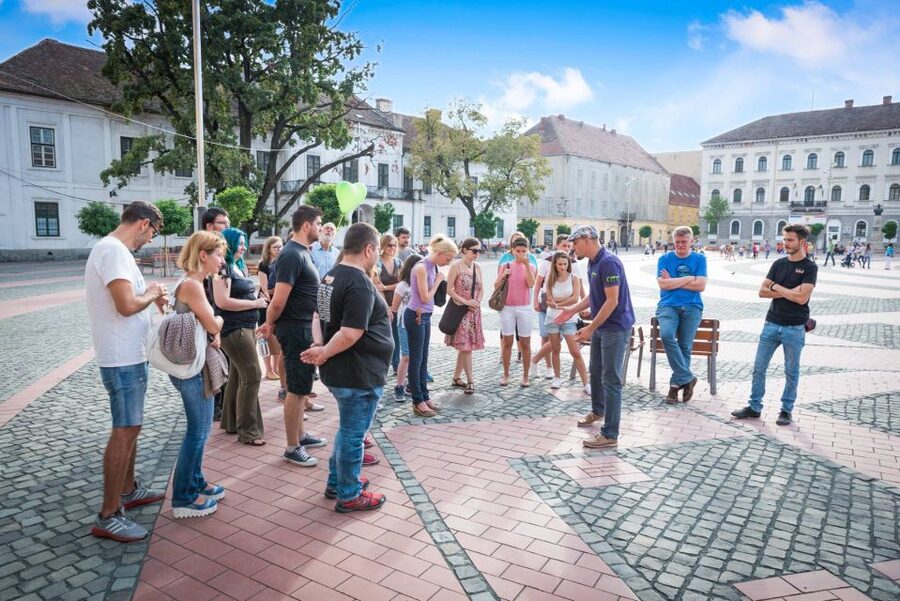
Timisoara tells stories at every corner. This 2-hour walk pairs street-level scenes with a clear timeline, so you understand why the city feels the way it does today. I like that the guide starts with Romania right now, then threads Timisoara’s past into everyday life, so nothing feels random.
Two things I especially like: you get crisp, memorable facts (including early trams and electric street lighting) and you hear the city explained through real social change, from invasions to the communist era and beyond. One possible drawback is that at just 2 hours, you will not cover every major landmark in town, so if you are focused on a specific stop, plan to add it after the tour, or ask the guide if time allows (one guest specifically wished the Cathedral of the Three Hierarchs was included).
In This Review
- Key things that make this tour worth your time
- Meeting Timisoara at the Tourist Information Center
- A quick Romania today briefing that makes the rest click
- Mongols to Ottomans, where you can picture history in real locations
- Austrian conquest and the city rebuild that changed everything
- Trams, electric street lights, and the tech vibe of Timisoara
- The communist era and the revolution story in everyday terms
- What makes the guide experience so strong (and how to get the most)
- Logistics that matter for a smooth 2-hour walk
- Who should book this tour
- Price and value for $42 in Timisoara
- Should you book the Timisoara Classic Walking Tour?
- FAQ
- How long is the Timisoara Classic Walking Tour?
- How much does the tour cost?
- Where does the tour meet?
- What languages are the guides speaking?
- Is this tour a private group?
- Can I cancel or change plans?
Key things that make this tour worth your time
- A Romania primer first, so Timisoara’s story makes sense as you walk
- Ottoman-era place markers, like where the Central Mosque area and a Turkish public bath once were
- Austrian rebuilding in view, with new streets, houses, and fortification ideas explained clearly
- Real tech milestones, including one of the first tram systems connecting suburbs to the center
- Electric street lights history, tied to why Timisoara moved early toward modern life
- A human scale revolution story, connecting politics to how people lived and changed
Meeting Timisoara at the Tourist Information Center
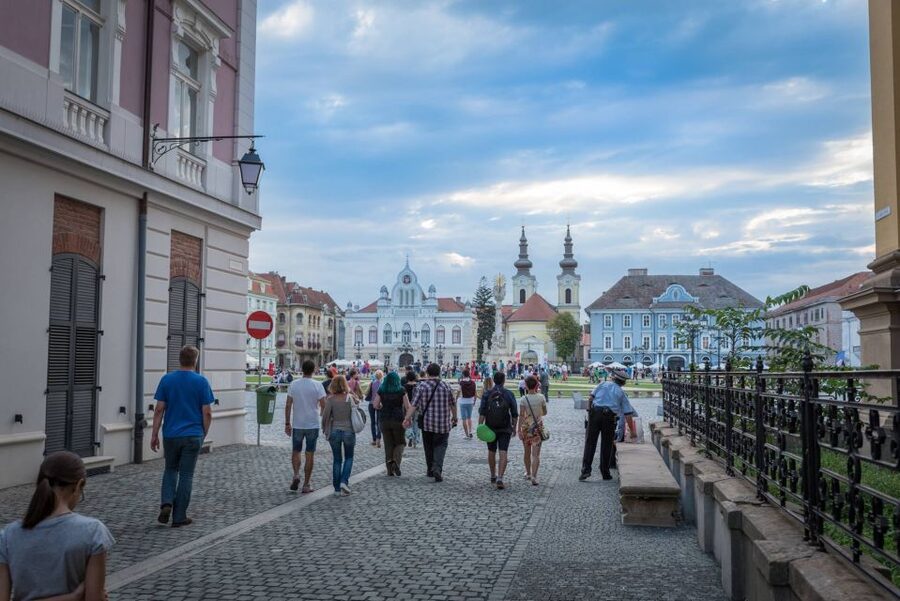
This tour starts in front of the tourist information center, and that matters more than it sounds. You are not wandering the city trying to find a group, and you get a clean launch point before the guide starts the big story. Since it is a private group, the pace stays manageable, and you can ask questions as you go.
If you like walking tours that feel organized, this setup helps. You begin with a sense of direction, then the guide takes you through the parts of the city where the eras overlap.
More Walking Tours in Timisoara:
- Timisoara All in One – Walking and Tram Tour
★ 5.0 · 72 reviews - Weekly Guided Walking Tour – Tuesday, Thursday & Saturday
★ 5.0 · 49 reviews - Timișoara Highlights – Walking Tour
★ 5.0 · 28 reviews
A quick Romania today briefing that makes the rest click
Before you even hit the main historic beats, you get a short introduction about Romania’s situation today. I like this approach because it keeps the tour from turning into a pile of dates. Instead, it sets up what the city used to be, then explains what changed and why that matters now.
From there, the guide builds a basic timeline for Timisoara. You start with the Mongol invasion centuries ago, then move forward to the longer periods when Timisoara was shaped by empires and occupations. By the time the tour reaches the Ottoman and Austrian chapters, you are already following the logic of the city.
Mongols to Ottomans, where you can picture history in real locations
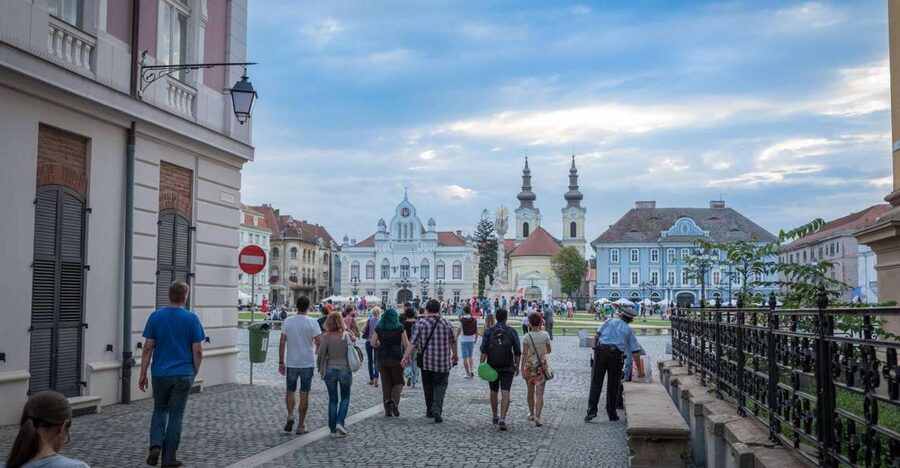
One of the tour’s strongest moves is using the street map as a memory tool. You hear how Timisoara lived through major shocks, including the Mongol invasion, then later the years of Turkish occupation. Instead of treating those periods like distant textbook notes, your guide points to where Ottoman-era life took place.
During the walk, you learn where key everyday places were located in the past, including the Turkish public bath and the bazaar area. You also hear about the Central Mosque location. Even if you cannot see the original structures anymore, knowing the former placement helps you read the city like a layered document.
Here is why I think this works for you: Timisoara is not only about grand buildings. It is also about habits, markets, bathing culture, and community routines. When those are explained in the right places, the city stops being scenery and starts being a lived environment.
Practical tip: keep your camera ready, but also keep one eye on where the guide is gesturing. The value comes from place-based context, not just photos.
Austrian conquest and the city rebuild that changed everything
Everything shifts when Timisoara is conquered by Austrian imperial troops at the beginning of the 18th century. Your guide explains that the city was completely rebuilt during that era, and the walk connects those changes to what you can still sense in the street layout.
You hear how wooden buildings from the Middle Ages disappeared and how new streets and houses were set up. The tour also covers the fortification system that accompanied this rebuilding. This is a big deal, because it turns Timisoara into more than a historical stop. It becomes a case study in how power reshapes urban form.
What I like here is the cause-and-effect storytelling. Instead of saying Austrians arrived and things changed, your guide helps you understand what changes, streets and defenses, actually mean on the ground. You get a sense of how people moved, where activity clustered, and why the city feels planned in certain areas.
If you enjoy architecture and city design, this portion is likely to feel especially satisfying. Even without a museum ticket, you are learning how the city was engineered.
A different sort of day out in Romania:
- The Classic Tour of Timisoara
★ 5.0 · 154 reviews - Weekly Guided Tour in English – Tuesday, Thursday, Saturday
★ 5.0 · 84 reviews - Day trip to Corvin Castle and Sibiu (and back) from Timisoara
★ 5.0 · 30 reviews - Danube Gorge & Banat Waterfalls
★ 5.0 · 27 reviews
Trams, electric street lights, and the tech vibe of Timisoara
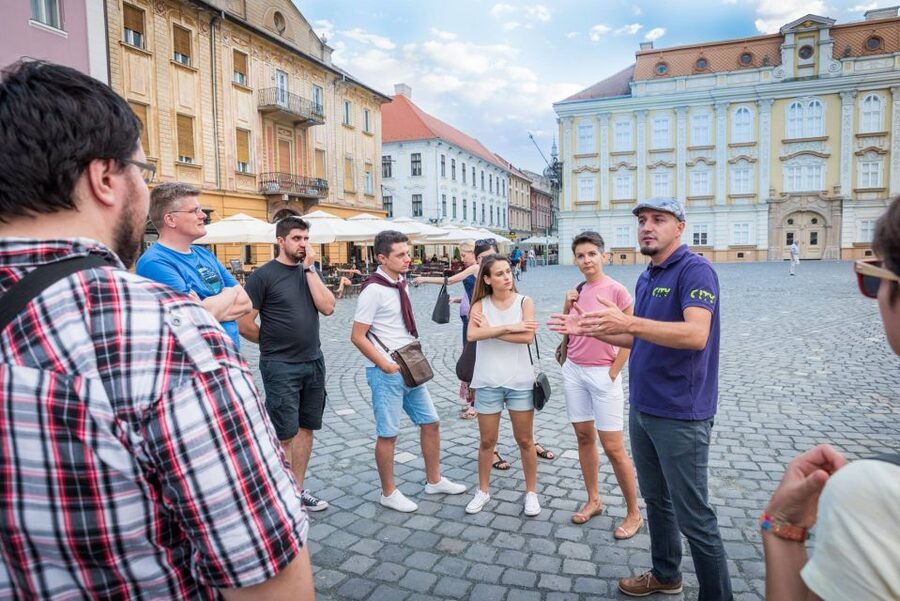
One of the tour’s fun features is how it brings technology into the story. You do not just hear that Timisoara modernized. You learn concrete examples, tied to how the city worked day to day.
A standout: you hear about one of the first trams in the world built to connect people from the suburbs to the city center. That is a social change story, too. Better transport means easier access to jobs, markets, and services, and it shrinks the distance between neighborhoods.
Then there is the claim that Timisoara was the first place in continental Europe where electric street lights were used. Your guide connects that detail to the broader shift toward modern urban life. Even if you have seen electric lighting before, hearing this early milestone in the middle of a walk changes how you experience the streets.
I think you will enjoy this section if you like history with a practical heartbeat. It is not only about who ruled. It is also about what daily life felt like as the city upgraded its infrastructure.
Small caution: these facts are memorable, but they still sit inside a 2-hour timeline. If you are the type who wants to memorize every number, plan to take a few notes right then, before the next era sweeps you forward.
The communist era and the revolution story in everyday terms
Another key part of the walk moves into the contemporary revolution against the communist regime in Romania. Your guide does not just mention political events. The tour frames them as part of how society has changed over the decades, with an emphasis on what it feels like to live in Romania and how ordinary life shifts under different systems.
This is where the tour becomes more than a timeline. You are learning about attitudes, resilience, and how change spreads through people and institutions. The city setting helps, because you are processing it where it happened and where its effects remain visible in the way the place is organized and remembered.
If you like tours that give you a human angle, this part is worth your attention. It is often the hardest theme to explain on foot, but the guide’s approach is built to keep it understandable.
What makes the guide experience so strong (and how to get the most)
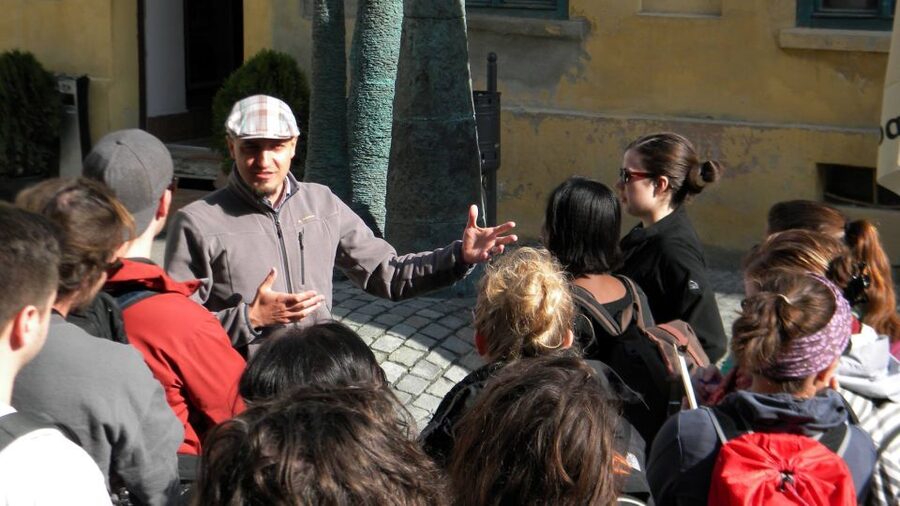
The guides associated with this tour are known for friendly, energetic storytelling, and the difference shows up fast. Some names you might hear along the way include Armand and Alex Muntean. Both are described as entertaining and very good at bringing the city to life.
I especially like the way strong guides handle follow-up questions. In a private group, you can steer the conversation a bit. That helps if you care about one topic more than another, like technology, religious buildings, or the political transitions.
There is also mention that a guide can adapt the tone for kids, which tells you the narration probably has a clear structure and uses practical examples, not only abstract facts. Even if you are traveling solo or as a couple, that style makes the walk easier to track.
One extra thought: Fabian’s suggestion to include the Cathedral of the Three Hierarchs hints at how flexible the route could feel, depending on the guide and the group’s interests. If that cathedral matters to you, it is reasonable to ask if the tour can accommodate a short addition or if you should visit it right after.
Logistics that matter for a smooth 2-hour walk
This is a 2-hour walking tour with a private group format. Price is $42 per person, and that includes the guide and the walk itself. Since it is not a full-day program, you should think of it as a smart orientation to Timisoara, plus a focused history story that sets you up for the rest of your time in the city.
Meeting point is in front of the tourist information center. The tour runs with live guidance in English and Romanian, and your guide works with the group in real time.
If you prefer tours with a clear starting time and a predictable end point, this length is a good fit. It also pairs well with a longer meal afterward, because you will have a better feel for neighborhoods and themes to look for while you wander on your own.
Quick value math: you are paying for a guide to connect Mongol, Ottoman, Austrian, and revolutionary chapters into one coherent city walk, plus for on-the-spot explanations of specific former locations like the Turkish public bath, bazaar, and the Central Mosque area. In many cities, that same level of storytelling can cost more, especially for smaller-group formats.
Who should book this tour
This tour is a great match if you want:
- A structured introduction to Timisoara that still feels personal
- City history tied to places, like former Ottoman-era locations
- Modernization details you can remember, like trams and electric street lights
- Social change context, including how Romania has shifted across decades
It is especially suitable for first-time visitors who do not want to do heavy research before arrival. If you are traveling with limited time, this 2-hour format is a strong way to get your bearings fast.
If you are the kind of traveler who only wants one or two famous buildings, you may feel the tour is spread across eras. In that case, treat it as your big overview, then follow up with individual sites you care about.
Price and value for $42 in Timisoara
$42 for a 2-hour guided walking tour is not a bargain price, but it is also not out of line for a focused, guide-led experience. The key value is not that you sit in a chair and listen. You walk, and the guide ties each era to where it happened, including vanished Ottoman-era place markers and Austrian rebuilding logic.
Also, the private group format can raise the value because you get more direct interaction. If you have questions, this is the time to ask them, not later when everyone is spread out.
My practical take: if you want history you can actually place on a map, this price feels reasonable. If your priority is self-guided wandering with no narration, then you might spend less on your own time. But for most visitors, a strong guide is what turns Timisoara from pretty streets into a story you understand.
Should you book the Timisoara Classic Walking Tour?
Book it if you want a clear, human-sized introduction to Timisoara that connects the Mongol past, Turkish occupation, Austrian rebuilding, and the revolution against communism into one walking story. I also think you should book it if you enjoy the kind of details that are memorable, like early tram connections and the city’s role in electric street lighting.
Skip it or adjust expectations if you are only chasing a short list of famous sights and you plan to spend your time at one major monument. This tour is not designed to be an every-stop checklist. It is built to help you understand the city’s logic.
FAQ
How long is the Timisoara Classic Walking Tour?
The tour lasts 2 hours.
How much does the tour cost?
The price is $42 per person.
Where does the tour meet?
Meet in front of the tourist information center.
What languages are the guides speaking?
The live tour guide offers English and Romanian.
Is this tour a private group?
Yes, it is a private group.
Can I cancel or change plans?
You can cancel up to 24 hours in advance for a full refund, and the booking option includes reserve now & pay later.
Recently listed in Timisoara
- Bite your way through Timisoara – Timisoara’s Street Food Tour★ 5.0 · 14 reviews
- Timisoara Downtown Dream Tour★ 5.0 · 5 reviews
- The Grand Tour of Communist Ages at Timisoara★ 5.0 · 17 reviews
- The Jewish Heritage Tour of Timisoara★ 5.0 · 9 reviews
- One Day in Transylvania – Departure from Timisoara★ 5.0 · 16 reviews
- Nera Gorge National Park – Private Day Tour from Timisoara★ 4.5 · 4 reviews
- Ecumenical Tour of Timisoara★ 5.0 · 15 reviews
- Day Trip to Turda Salt Mine and Corvin Castle from Timisoara★ 5.0 · 10 reviews
Walking Tours, compared.


Ghost Stories & Romanian Mythology Walking Tour
Read our review →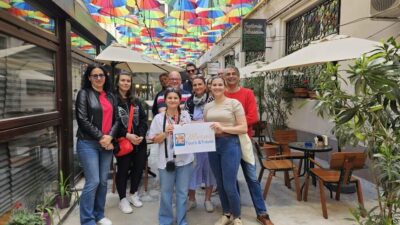
Browse the lists this tour appears in