
REVIEW · COMMUNIST HISTORY TOURS
Private Walking Tour of Communist Bucharest
Communism still shapes Bucharest. You get a private, flexible route and a guide with political science and tourism training who helps you read the city’s symbols, from Revolution Square to Nicolae Ceaușescu’s former home. One watch-out: two big stops have tickets you’ll pay separately, and it is a long, mostly on-your-feet day.
I like how the pacing feels personal. When I looked at the stops, it made sense why the tour mixes power and culture, including the Romanian Athenaeum and the major civic spaces of the communist capital. If you want only quick photos, this may feel heavy, but if you’re curious about how politics turns into stone and streets, you’ll enjoy it.
In This Review
- Key things you should know before you go
- A day built around Communist Bucharest, not just big monuments
- Price and value for a private political-history walk
- The Revolution Square zone: where 1989 feels immediate
- Ateneul Roman: the culture side of the communist capital
- Nicolae Ceaușescu’s mansion: power at close range
- The Palace of Parliament: House of the People scale shock
- Piaka Constitukiei: the civic center beat
- Manastirea Antim and Mihai Voda Monastery: the quieter survival story
- Lunch break in the city center: plan your energy, not just your food
- The guides: what you gain from a true local
- Who this tour fits best
- Should you book the Private Walking Tour of Communist Bucharest?
- FAQ
- How long is the Private Walking Tour of Communist Bucharest?
- What time does the tour start?
- Is this tour private?
- Do I get hotel pickup?
- Are tickets included for every stop?
- Is lunch included?
- What do I need to bring on the day of travel?
- Is there a cancellation window?
Key things you should know before you go
- Private group size (max 3) with hotel pickup, so you avoid the shuffle feeling of big groups.
- A guide with degrees in political science and tourism, which you’ll notice in the way they connect people, events, and buildings.
- Revolution Square and nearby memorial grounds, where the royal past and the communist dictatorship sit side by side.
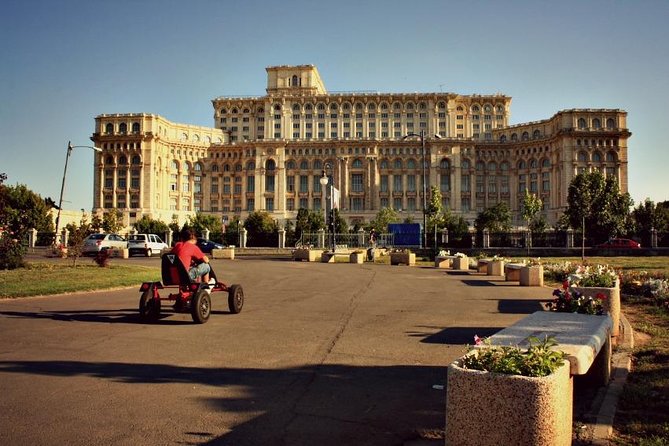
- The Palace of Parliament scale, including the eye-popping details like 1,000 rooms and vast marble and crystal use.
- Churches that survived demolition by being moved, a quieter counterpoint to the political megastructures.
A day built around Communist Bucharest, not just big monuments
This is a full-day format, about 7 hours, built for walking plus a bit of private vehicle time on some stretches. The tour’s core goal is to explain what happened with the Communist Party, and how that rise and fall reshaped Romania, not just what the buildings look like today.
What I like most is that it’s not only about the dictatorship’s showpieces. The route also includes places where you can see the culture, the religious continuity, and the physical scars of 1989. That mix gives you a clearer mental map of why certain areas matter, even if you have only a day to spare.
The other big plus is the flexibility. You can customize the itinerary to your preferences, which helps if you want to spend extra time at the most meaningful stops or skim a section that feels less relevant to you. Start time is 8:30am, so plan on a brisk morning and a solid midday meal break.
More Walking Tours in Bucharest
- Bucharest: City Highlights Guided Walking Tour
★ 4.9 · 1,482 reviews - Bucharest: Communism and History Guided City Walking Tour
★ 4.9 · 918 reviews - Bucharest Highlights Walking Tour
★ 5.0 · 469 reviews
Price and value for a private political-history walk
At $92.19 per person for a private 7-hour tour, the value comes from three things you actually use: a dedicated guide, private pacing, and guided transport for some parts of the route. You also get a mobile ticket, plus group discounts.
If you’re traveling as a couple or small group, the max 3-person pickup setup is a real advantage. It means fewer people to coordinate, less waiting, and more chance to ask questions that pop up while you’re standing in front of the House of the People or the Ceaaușescu Mansion.
One potential downside is the extra cost at two major stops. The Romanian Athenaeum and the Palace of Parliament have admission tickets not included in the price. If you’re trying to keep a tight budget, factor those in before you commit.
The Revolution Square zone: where 1989 feels immediate
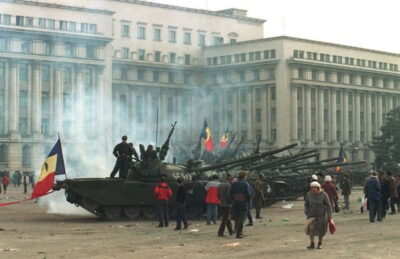
Your morning begins near the Revolution Square area, including two key memorial stops. This part of Bucharest is where the 1989 revolution’s violent events connect to a wider story about how Romania’s old identity collided with communist rule.
First comes the University’s Square stop, close to Revolution Square. It is another memorial space tied to the violent events that led to the fall of communism in December 1989. Even if you know the basics, having a guide on hand helps you notice how the square functions as a public stage, not just a landmark you pass.
Right after, you’ll move into Piaka Revolukiei (Revolution Square). Here, the tour frames the location as more than the single day of upheaval. It is also where two parts of the country’s history clash: the royal past and the communist dictatorship. That framing changes how you look at the surrounding space, because you stop treating it like a single event photo spot and start seeing it as a pivot point.
Timing-wise, expect about 30 minutes at each of these stops, and admission is free for both. It is a good stretch to start your day, because you set the political context early and it will echo later when you see the mega-building and the regime’s symbolism.
Ateneul Roman: the culture side of the communist capital
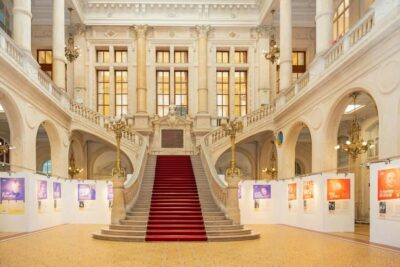
After the political ground, the tour shifts gears to the Romanian Athenaeum, a 19th-century monument tied to classical music and Bucharest’s love for the arts. This is stop three, with about 30 minutes on site.
The standout detail is the concert hall’s impressive 75-meter fresco. You do not need to be a music expert to appreciate why this kind of cultural building matters. It shows that even in a century when politics dominated, Bucharest still had room for artistic identity and public beauty.
Admission is not included here, so keep that in mind. You may need to budget for the ticket and accept a little extra time for entry. Still, this is one of the better “pause and breathe” stops in the day. It breaks up the heavier political themes with something that feels human-scale and expressive.
More Communist History Tours in Bucharest:
- The Real tour of Communism
★ 5.0 · 666 reviews - Life under Communism
★ 5.0 · 358 reviews - 3-Hour Guided Tour of Communist Bucharest
★ 4.9 · 303 reviews - Bucharest: Parliament, Ceausescu House & Village Museum Tour
★ 5.0 · 208 reviews
Nicolae Ceaușescu’s mansion: power at close range
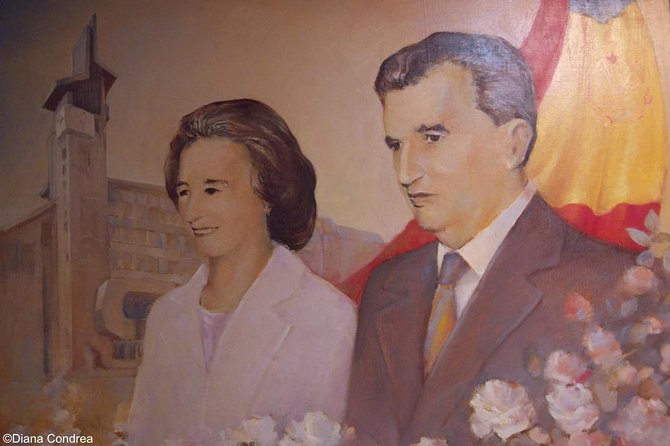
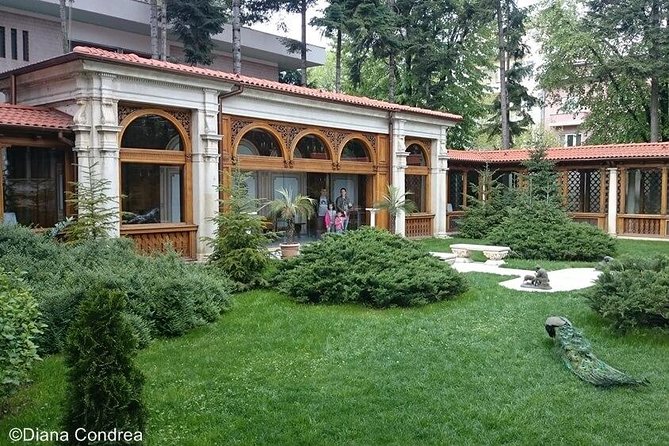
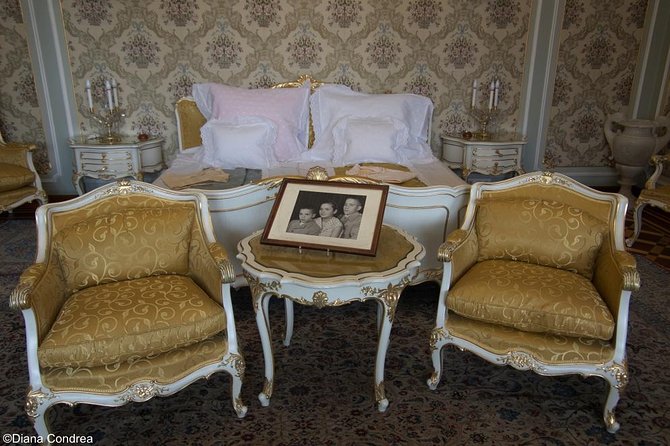
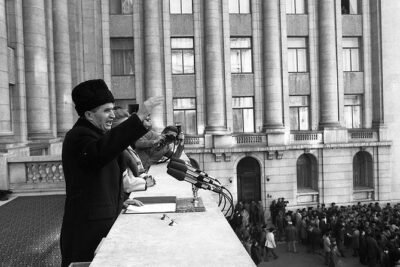
Next is the Ceausescu Mansion, where you spend about an hour. This is the former residence of Nicolae Ceaușescu, the communist dictator whose name is permanently linked to the era’s control and contradictions.
Admission for this stop is free, which makes it a low-friction way to get a strong sense of who sat where. You might find yourself looking for what changed and what stayed. Even without getting lost in facts, the location does something important: it grounds the political story in a specific home, not an abstract government.
This stop works best if you’re okay with a “power and consequence” vibe. If your goal is mostly architecture, you may still enjoy it, but the value here is how the guide connects private life and public ideology, and how that connection shaped Bucharest’s communist-era feel.
The Palace of Parliament: House of the People scale shock
If you’re coming to Bucharest for a single communist-era landmark, it’s usually this one: the Palace of Parliament, locally known as the House of the People. It is stop five, and it deserves the time, with about 1 hour 30 minutes.
This building is massive, described as the second largest administrative building in the world. You’ll also hear the practical details that make the scale feel real: more than 1,000 rooms, hand-made decorations using the finest and most expensive materials, including 1 million cubic meters of marble and 3.5 tonnes of crystal.
Admission is not included, so you will likely pay an entry ticket separately. It can add cost, and it can change your pacing depending on how quickly you can get in. Still, this is the part of the tour that tends to stick with people. It isn’t just that the building is big, it’s that the building is an argument. The size and materials are the message.
One smart way to experience this stop is to let your guide point out how the regime wanted to be seen. Then look at the space like you would a political billboard made of stone. You’ll come away with a better sense of what the system was trying to communicate, beyond the dates and slogans.
Piaka Constitukiei: the civic center beat
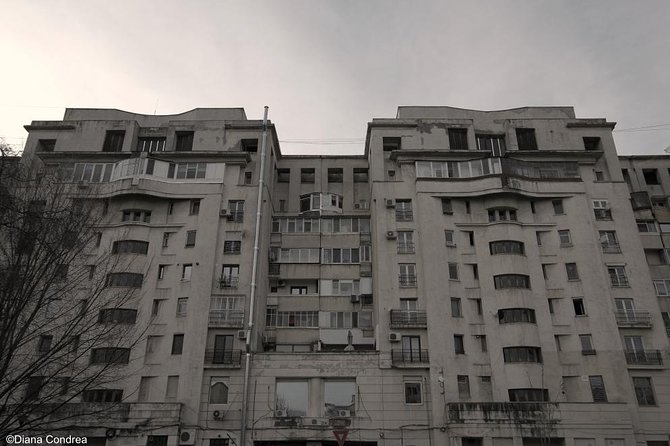
After the Palace, you’ll head to Piaka Constitukiei (Constitution Square), described as the heart of the communist civic center. This one is a shorter stop at about 20 minutes, and admission is free.
This is the moment where the tour helps you connect “one big building” to “a whole designed area.” Civic centers in communist cities were often built to direct movement, create a sense of order, and provide a backdrop for public life. Even if you only stay briefly, you’ll likely notice how the space is meant to frame people, events, and official presence.
Because the time here is limited, it’s best to listen closely and ask one or two targeted questions. If you do, you’ll get more out of the space than simply taking a few photos.
Manastirea Antim and Mihai Voda Monastery: the quieter survival story
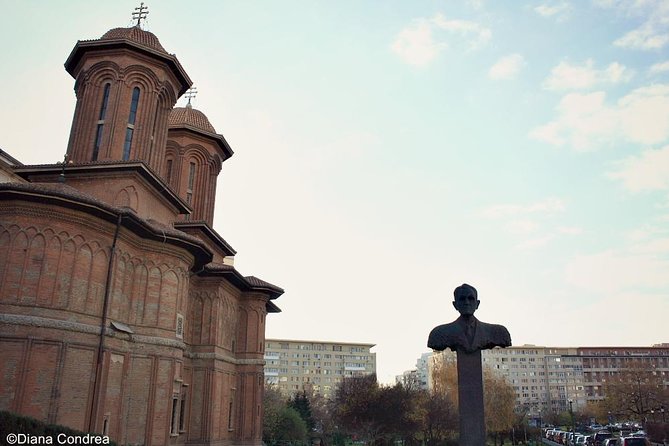
The last two stops shift away from political symbolism and toward resilience. You’ll visit Manastirea Antim and Mihai Voda Monastery, and both are churches that were saved from communist demolitions by being moved from their original locations.
Manastirea Antim is about 20 minutes, admission free. Mihai Voda Monastery is also about 20 minutes, admission free. Having both in the same day makes the theme click: the regime reshaped Bucharest physically, but not everything disappeared.
This pair of stops is a nice reality check after the Palace of Parliament. The scale is different, the language of the buildings is different, and the emotional tone is different too. If you tend to think history is only about governments and battles, these churches remind you it’s also about daily life, places of worship, and what communities tried to preserve.
If you have moderate physical fitness, this part is usually manageable. The walking may be steady, but the stops themselves are short. Bring comfortable shoes, because a full-day route adds up, even when individual stops are not long.
Lunch break in the city center: plan your energy, not just your food
You’ll take a break for lunch around midday at a city center restaurant. Food and drinks are not included, so you’ll pay for what you choose.
Why this matters: after several major political sites and a heavy monument like the Palace of Parliament, you will want an unhurried reset. Pick something filling enough to last through the remaining stops, and keep water nearby. You do not need a fancy meal to make this work, you just need energy and time to recharge.
This is also a good moment to ask your guide a question that you held back earlier. For example, you can ask how specific decisions were tied to the era’s ideology, or which stops you should revisit for the best context.
The guides: what you gain from a true local
The tour is led by a local guide, and the guide background matters here. The program is described as being led by someone with degrees in political science and tourism, so the storytelling is built to connect big events to the places you see.
From past experiences with guides in this style, names like Laura and Diana have stood out for being friendly, professional, and genuinely helpful. One guide even declined a tip, which says something about the service vibe you can expect. The real value is that the guide’s answers don’t feel like reciting a script. They’re tied to what you’re looking at right now, which makes the day feel less like a lecture and more like walking with a person who can explain why it matters.
Who this tour fits best
This tour fits best if you want more than surface-level sightseeing. If you’re the type who likes to understand why a square is designed the way it is, or what a building is trying to say politically, you’ll get a lot out of the explanations and the stop choices.
It also works well for small groups or couples. The pickup setup for groups of maximum 3 helps it feel private instead of hectic. And because you can customize the itinerary, you can make the day match your interests.
If your preference is very light walking and minimal ticket steps, you might find the Palace and Athenaeum ticket adds friction. Still, the overall flow is well planned for a full-day intro to Communist-era Bucharest.
Should you book the Private Walking Tour of Communist Bucharest?
Book it if you want a focused, guided look at how Bucharest’s communist era still shows up in real spaces. The price makes sense for a private day with a trained guide, hotel pickup for small groups, and private vehicle help on some segments, plus meaningful stops that cover both power and survival.
I would recommend booking if you’re okay paying separate tickets for the Romanian Athenaeum and the Palace of Parliament, because those are key anchors of the whole story. I would also recommend it if you like structured context, Revolution Square through to the civic center and the moved churches.
Skip it if you want a relaxed stroll with no political context and you do not want any ticket add-ons. For a deeper understanding of Bucharest’s communist legacy, this is one of the better ways to spend a day, because the route is organized around meaning, not just famous buildings.
FAQ
How long is the Private Walking Tour of Communist Bucharest?
It runs for about 7 hours.
What time does the tour start?
The start time is 8:30am.
Is this tour private?
Yes, it is private. Only your group participates.
Do I get hotel pickup?
Hotel pickup is offered for groups of maximum 3 people.
Are tickets included for every stop?
No. University Square, Revolution Square, Ceausescu Mansion, Constitution Square, and both monasteries are listed as free, but admission tickets are not included for Ateneul Roman and the Palace of Parliament.
Is lunch included?
Lunch break is included as part of the day, but food and drinks are not included.
What do I need to bring on the day of travel?
A current valid passport is required on the day of travel.
Is there a cancellation window?
You can cancel for free up to 24 hours in advance of the experience start time for a full refund.
Recently listed in Bucharest
- Village Museum Bucharest Guided Tour★ 5.0 · 6 reviews
- Wine Tasting and Dinner, including Sommelier★ 5.0 · 3 reviews
- Winery touring & private wine tasting – one day private tour★ 5.0 · 3 reviews
- Bucharest: Dealu Mare Winery Private Trip with Wine Tasting★ 4.9 · 6 reviews
- Traditions in Bucharest: Village Museum and Wine Tasting★ 5.0 · 8 reviews
- Transylvania Tour: Dracula’s Castle, Peles Palace & Brasov★ 5.0 · 19 reviews
- Airport Henri Coanda (Otopeni) to Bucharest – Private Transfer – Driver★ 5.0 · 5 reviews
- Discover Medieval Transylvania Small Group Tour – 7 days★ 5.0 · 4 reviews
Communist History Tours, compared.

Parliament, Ceausescu House & Village Museum Tour
Read our review →
Bucharest Essential Tour: Old Town, Calea Victoriei & Communism
Read our review →
Communism in Bucharest – Landmarks, Museum & Communist Appetizers
Read our review →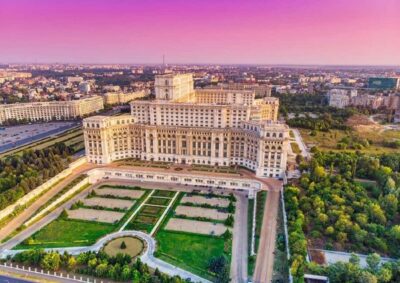
Palace of Parliament, Ceausescu House & Village Museum
Read our review →Browse the lists this tour appears in