
REVIEW · COMMUNIST HISTORY TOURS
Exploring a Former Communist Prison
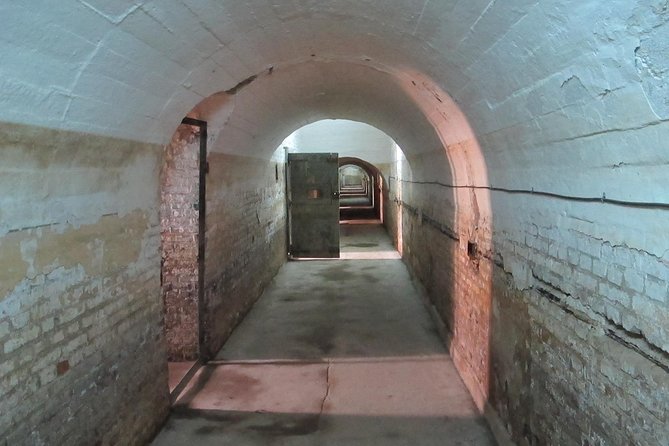
Communist Romania is history, until you stand inside the buildings that shaped it. This tour lines up major city landmarks with a rare visit to Fort 13 Jilava, a former military fort used as a detention and execution camp.
I really enjoyed two things most. First, the storytelling around Piața Revoluției, including the kind of firsthand context you only get from someone like Mircea, who was there in December 1989 when communism fell. Second, the access to Jilava Fort 13 as a memorial inside Bucharest’s largest prison, with rules that keep the focus on what you are seeing, not what you are filming.
One heads-up: once you enter the prison, mobile phones are not allowed, and photos are only allowed with a camera. If you want to document everything on your phone, this will feel strict.
In This Review
- Key highlights at a glance
- Piața Revoluției, Revolution Square, and the 500-year setup for what comes next
- Palace of Parliament, a photo-friendly stop with heavy context behind it
- Ferentari and the Bronx of Bucharest drive: why this part hits harder
- Carol Park and the communist mausoleum, plus a proper food break
- Jilava Fort 13: the former military fort turned memorial
- The “Local Hosts” feel: small group, real conversation, and good pacing
- Price and value: what $173.47 buys you in a day like this
- Who should book, and who should skip
- Should you book this tour?
Key highlights at a glance
- Small group, max 8 people, in an air-conditioned vehicle for a calmer day of heavy topics
- Revolution Square context, with a guided walk-through of how Bucharest changed over 500 years
- Bronx of Bucharest drive, including communist-era dorm housing and the reality of Ferentari
- Exclusive access to Fort 13 Jilava, a former 19th-century military fort turned communist camp
- On-the-ground rules inside the prison, no phone use, and camera-only photos
Piața Revoluției, Revolution Square, and the 500-year setup for what comes next
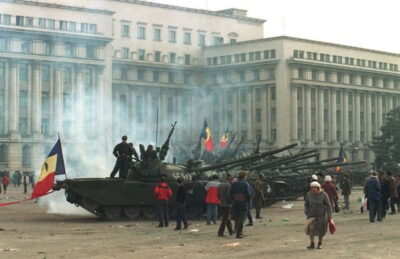
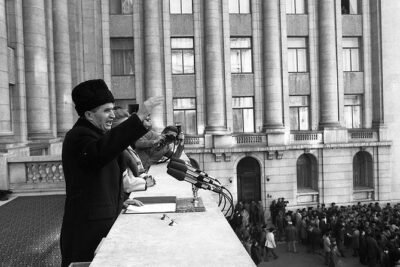
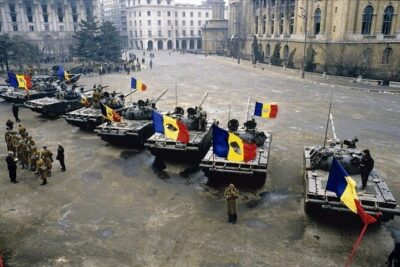
The day starts at the Memorial of Rebirth, in Piața Revoluției (Revolution Square). You get more than a stop on a map. The guide frames Bucharest as a city that kept reinventing itself, and you begin to understand why the communist period left such deep scars.
Before you hit the prison topic head-on, you get a quick orientation: how Bucharest grew over the last 500 years, and how the city’s military fortification system came to be. That matters, because when you later hear the story of Fort 13 Jilava, it makes more sense as a place built for control, not just as a random grim site.
A big plus here is the human angle. From the review highlights, Mircea stands out as passionate and engaged, and he is the kind of guide who can connect dates to lived experience. One review specifically called out how the group got a Revolution Square walkthrough from someone who had been there in December 1989 during the fall of communism. That kind of context turns a square into a timeline you can feel.
More Communist History Tours in Bucharest:
- Bucharest: Communism and History Guided City Walking Tour
★ 4.9 · 918 reviews - The Real tour of Communism
★ 5.0 · 666 reviews - Life under Communism
★ 5.0 · 358 reviews
Palace of Parliament, a photo-friendly stop with heavy context behind it
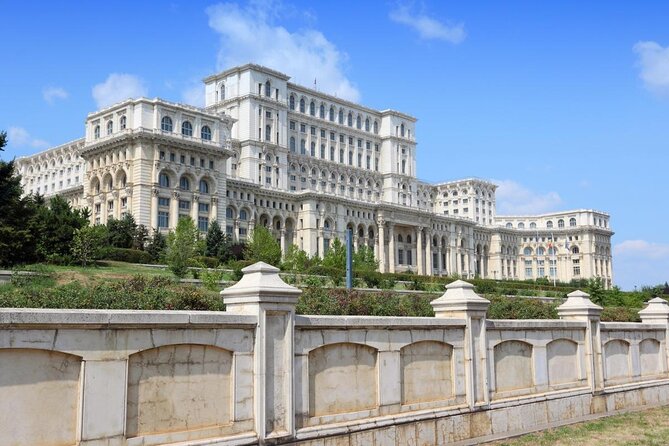
Next comes a quick circle of the Palace of Parliament. It is one of the biggest administrative buildings in the world, and you will likely grab the classic photos from the right angles, because the building is designed to be seen from almost anywhere.
But this is not a fluff stop. You also learn the darker stories linked to it, and you get a sense of what it means for the local community today. The tour keeps this part short, about 20 minutes, so you do not lose the day to a building you cannot even enter.
Practical note: admission is not included for this stop. That is fine for most people because the goal here is the lesson, plus the exterior viewpoints. If you planned to do an interior visit, you would need separate planning and tickets.
Ferentari and the Bronx of Bucharest drive: why this part hits harder
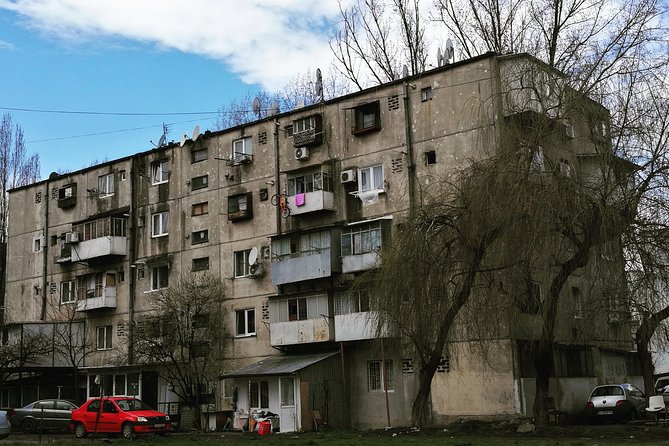
After the major landmarks, the tour shifts gears. You drive through what is often described as the Bronx of Bucharest, especially the Ferentari area, which is far from the tidy tourist circuits.
This section has two layers. First, you see the communist-era bedroom dormitories that shaped daily life for the last 50 years of Romanian social history. Second, you get a reality check about the area today. Even if you are not from Eastern Europe, you can tell this is not a staged neighborhood for visitors.
The itinerary then focuses on a specific stop inside an active prison complex, where an old military fort is used as an extermination camp for those who stood against the regime. That is the “why” behind the earlier drive. You are not just passing by neighborhoods, you are moving toward the physical site where the regime’s logic becomes visible in brick and concrete.
This stop includes admission, and it lasts about an hour, which is a good amount of time to absorb the setting without feeling rushed. Still, keep your expectations realistic. This is not sightseeing comfort. It is a guided explanation of a painful system.
Carol Park and the communist mausoleum, plus a proper food break
Then you head to Carol Park. This is one of those stops that feels almost like a contrast program, part solemn, part social. Inside the park is the mausoleum of local communist leaders, and the guide uses the location to talk through meaning, memory, and how regimes want to manage legacy.
And yes, you also eat. The tour includes time for a full traditional communist meal at the park. That is not a gimmick on this itinerary. It is a chance to slow down, talk less with your phone and more with your tablemates, and let the morning’s heavy material settle in your head.
This stop lasts about 30 minutes, admission is free, and you get a clean reset before the main event. If you are sensitive to uncomfortable history, the timing is helpful. You are not walking straight from hard facts into another hard site without a break.
A different sort of day out in Romania:
- Bucharest: Dracula’s Castle, Peles Castle, & Brasov Old Town
★ 4.5 · 17,858 reviews - Bucharest: Dracula Castle, Peles Castle & Brasov Old Town
★ 4.6 · 10,891 reviews - Bucharest: Dracula’s Castle, Peleș Castle & Brașov Day Trip
★ 4.4 · 6,100 reviews - Bucharest: Palace of Parliament Tickets and Guide
★ 4.3 · 3,182 reviews
Jilava Fort 13: the former military fort turned memorial
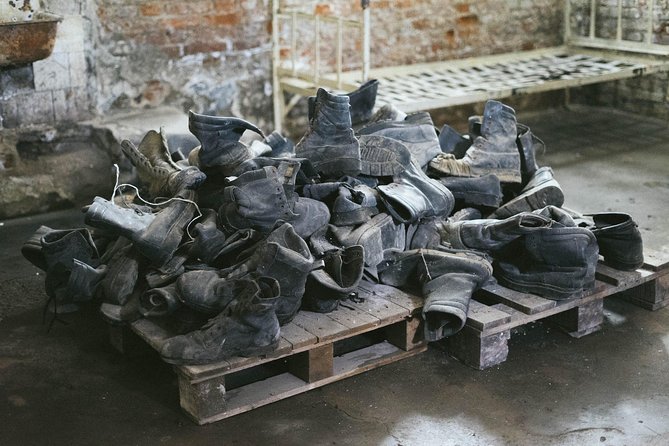
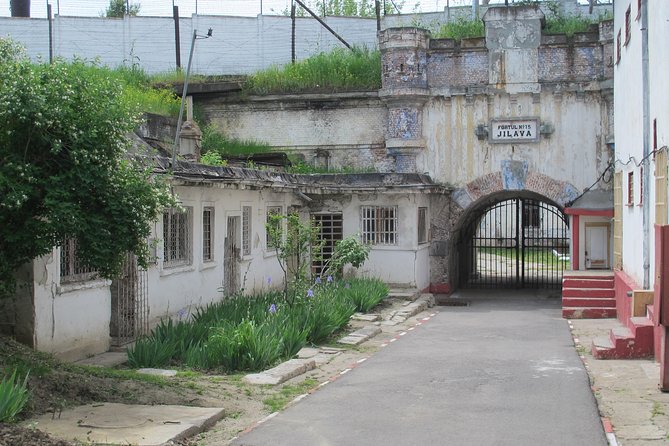
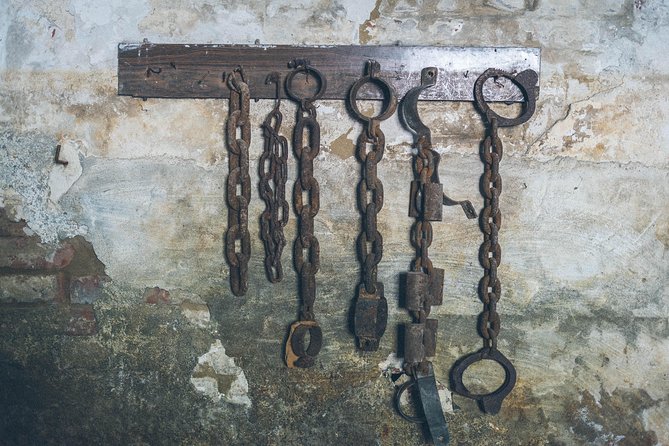
Finally, you reach Jilava Fort 13, the featured stop. This is described as an old military fort that was used as a prison, and it sits within Bucharest’s largest prison complex. The key detail is that you are visiting a memorial now, which changes the experience. It is still stark, but it is guided toward remembrance and understanding.
You also learn the broader transformation: this fort began as a 19th-century military facility and later became a communist detention and execution camp. That timeline matters because it shows how the regime repurposed existing infrastructure for political repression.
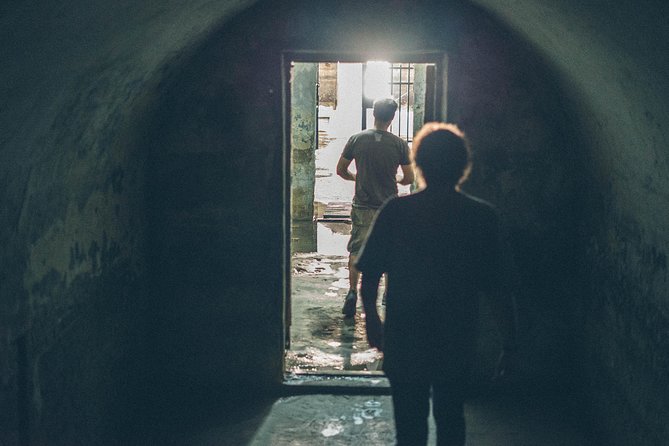
The visit runs about two hours. That length is important. A rushed prison visit usually turns into a checklist of grim facts. Two hours gives you enough time to process, ask questions, and notice how space is used. You also get the benefit of a small group, which tends to make discussion easier.
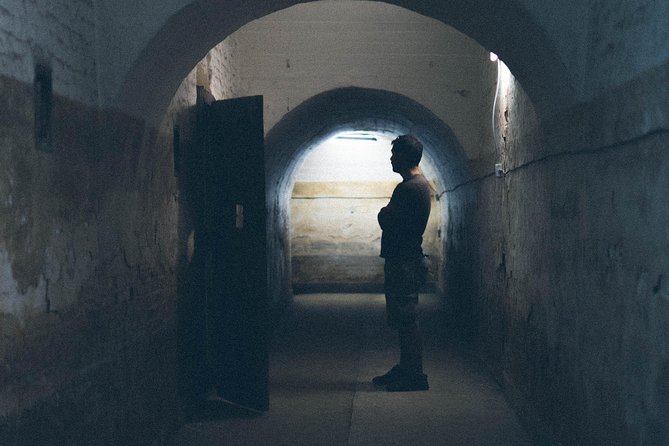
Now the rules, which are not minor. Mobile phones are not allowed inside the prison. Photos are allowed only with a camera. So if you want any images, bring a camera you know how to use. If you rely on your phone for photos and video, plan to put it away for this part of the day.
Also think about your own comfort level. This is a place built for confinement and violence. Even though it is now a memorial, it is still emotional territory. If you are the type who gets overwhelmed, give yourself a moment outside when you can, and listen for what the guide emphasizes.
The “Local Hosts” feel: small group, real conversation, and good pacing
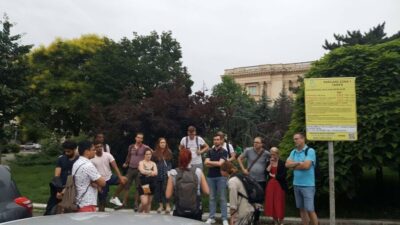
This tour is capped at 8 travelers, and that changes the tone. In a small vehicle, the guide can actually connect with you, not just announce facts. The reviews emphasize Mircea’s passion, and you can feel the difference between a guide who recites and a guide who explains and talks back.
The vehicle is air-conditioned, which is a real comfort in Bucharest weather. The tour runs for about six hours total, starting at 9:30 am and returning to the meeting point at the end of the day. That is a half-day format that still covers a lot of ground, from central landmarks to far-off neighborhoods and the prison complex.
You also get planned refreshments and quick bites. Snacks included in the tour include street food like covrig, plus other local traditional bites. There is bottled water, and you get coffee or tea. Beer is also included, one 400 ml beer or equivalent.
This matters more than you might think. Tours that cover heavy history often forget basic human needs. Here, you do not have to hunt for food between stops, and the guide includes that routine in the day flow. It keeps energy steady for the prison visit, which is the emotional peak.
Price and value: what $173.47 buys you in a day like this
The price is $173.47 per person, and that is only worthwhile if you look at what is included.
For your money, you get:
- An air-conditioned vehicle for the day
- Snacks like covrig and local bites, plus bottled water
- Coffee or tea
- One beer (400 ml) or an equivalent
- Admission included at the Ferentari prison-fort stop and at Jilava Fort 13
- The guided storytelling that ties city history to the communist prison system
Palace of Parliament is not included for admission. But the tour is set up as an exterior learning stop, so you are not paying extra for something you are not doing.
Value here comes from the pairing of two things that are hard to assemble on your own: logistics plus context. Driving across Bucharest and accessing a specific memorial with the phone and photo restrictions is not the kind of thing you want to wing. Paying for a guide is what turns a set of stops into a coherent narrative you can carry with you after you leave.
Who should book, and who should skip
This is a strong match if you:
- Want history that is not just museums, but places tied to how power worked
- Like guides who can explain what changed in everyday life, including the communist bedroom dormitory story
- Are comfortable with difficult subject matter and respectful remembrance
Skip it if you need lots of phone photos and video. The prison rules are strict, and that is not likely to change. Also, if you hate slow, reflective visits, the two-hour Fort 13 portion could feel too heavy for your style.
If you are the kind of traveler who prefers soft sightseeing only, this tour may feel too serious. But if you want one of the most famous communist prison sites in Romania paired with strong city context, this is one of the better ways to do it.
Should you book this tour?
Yes, if you want a guide-led day that connects Bucharest’s major symbols, communist neighborhood reality, and the memorial experience at Jilava Fort 13. I think it is especially good for travelers who like context, because the tour does not treat the prison as an isolated horror show. It links it to the city’s older military setup and to how life changed under communism.
If you book, do it with the right mindset: expect rules inside the prison, expect emotional history, and expect a small-group day with real conversation. Bring a camera if photos matter to you, and save your phone for everything outside the prison gates.
Recently listed in Bucharest
- Village Museum Bucharest Guided Tour★ 5.0 · 6 reviews
- Wine Tasting and Dinner, including Sommelier★ 5.0 · 3 reviews
- Winery touring & private wine tasting – one day private tour★ 5.0 · 3 reviews
- Bucharest: Dealu Mare Winery Private Trip with Wine Tasting★ 4.9 · 6 reviews
- Transylvania Tour: Dracula’s Castle, Peles Palace & Brasov★ 5.0 · 19 reviews
- Traditions in Bucharest: Village Museum and Wine Tasting★ 5.0 · 8 reviews
- Airport Henri Coanda (Otopeni) to Bucharest – Private Transfer – Driver★ 5.0 · 5 reviews
- Discover Medieval Transylvania Small Group Tour – 7 days★ 5.0 · 4 reviews
Communist History Tours, compared.

Parliament, Ceausescu House & Village Museum Tour
Read our review →
Bucharest Essential Tour: Old Town, Calea Victoriei & Communism
Read our review →
Communism in Bucharest – Landmarks, Museum & Communist Appetizers
Read our review →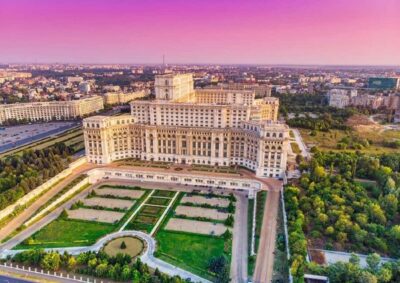
Palace of Parliament, Ceausescu House & Village Museum
Read our review →Browse the lists this tour appears in