
REVIEW · COMMUNIST HISTORY TOURS
Cluj-Napoca: Communist Era Walking Tour
Communism has a way of showing up in buildings. This 3-hour walking tour in Cluj-Napoca lets you read the city through Communist-era architecture and the human stories behind it, from daily routines to propaganda. I especially liked how the walk contrasts standardized apartment blocks with older facades, so you can see ideology in the streets, not just in a book.
The other big win is the guiding. Manuela runs a structured explanation, and the stories land better because they include real context, like how censorship shaped what people saw and how communities adapted. In my view, that clarity is what turns a topic that can feel heavy into something you can actually follow, stop after stop.
One thing to plan for: this is a walking tour with some uneven city ground, and it is not suitable for people with mobility impairments or wheelchair users. You will also want comfortable shoes, and you should be ready for changeable weather since the tour is outdoors.
In This Review
- Key things that make this tour worth your time
- Entering Cluj’s Communist past at Matei Corvin Statue
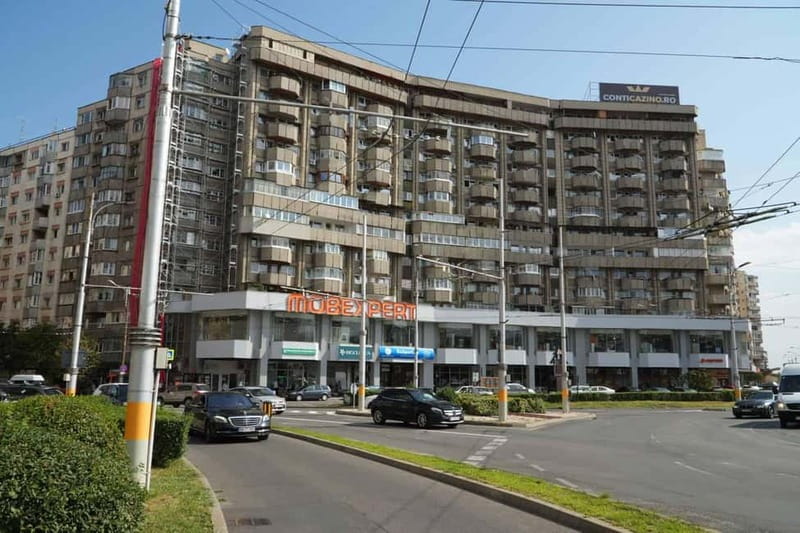
- Communist ideology in stone: facades and apartment blocks side by side
- Marasti’s streets: where planning met power
- From industrial spaces to a Communist-era market stop
- Censorship, queues, and church resistance, explained clearly
- How the guide turns architecture into stories you can remember
- Price and value: is $74 a fair deal?
- Who should book, and who might want a different style of tour
- Should you book the Cluj-Napoca Communist Era walking tour?
- FAQ
- How long is the Cluj-Napoca Communist Era walking tour?
- Where do I meet the guide?
- What is included in the price?
- What languages are available?
- Is smoking allowed during the tour?
- What should I bring?
- Is this tour suitable for wheelchair users or people with mobility impairments?
- Can I cancel for a full refund?
Key things that make this tour worth your time
- Matei Corvin Statue start: the tour begins at a clear, easy-to-find landmark in the Union Square area.
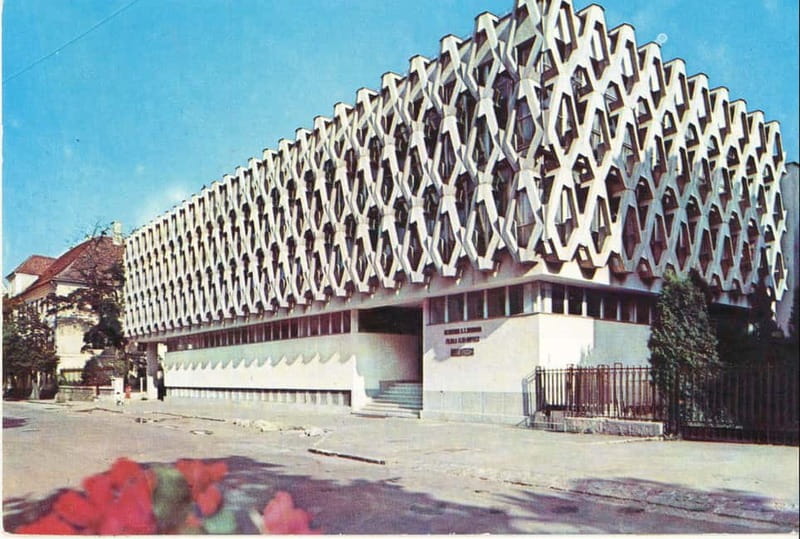
- A real architecture contrast: standardized apartment blocks versus historic facades, side by side in the same route.
- Marasti neighborhood coverage: you spend time in an area tied to the Communist-era city plan.
- Former propaganda-focused spaces: you learn how power shaped which places mattered.
- Censorship, queues, and resistance stories: you hear about control, daily coping, and pushback.
- Manuela’s structured delivery: clear explanations in English, French, or Polish that keep the walk moving.
Entering Cluj’s Communist past at Matei Corvin Statue
The experience kicks off right in front of the Matei Corvin statue, in the Union Square area. That matters because it sets your mental map fast. You are not wandering blind, you are starting with orientation, then moving outward through the physical evidence of the era.
From the beginning, the guide frames what you are about to see. You learn how the Communist system tried to shape life through space and structure, and how people lived inside those plans anyway. It is a good way to keep the tour grounded: architecture is not just scenery, it is a tool.
Bring a camera early. Even at the first stops, you can start noticing the texture of the city, what looks planned and what looks carried over from before. That visual contrast becomes the tour’s main thread.
More Walking Tours in Cluj-Napoca
- Cluj-Napoca: 2.5-Hour Guided Walking Tour
★ 4.8 · 104 reviews - Cluj-Napoca: 2.5-Hour Guided Walking Tour
★ 4.5 · 29 reviews - Cluj-Napoca Walking City Tour
★ 4.5 · 16 reviews
Communist ideology in stone: facades and apartment blocks side by side
One of the best parts is the contrast walk. You move between older facades that preserve a more historic look and the standardized apartment blocks that represent the state’s push for uniform housing and controlled growth.
I like this approach because it helps you understand the feeling of the era without needing a textbook. When buildings repeat in rhythm, it communicates something about authority and scale. When older details keep showing up nearby, it reminds you that the city never fully became one single idea.
The guide also connects what you see to daily life, including how people built communities under pressure and how residents adapted to the system they were given. That is where the story stops being abstract.
Practical tip: this is a good moment to slow down at each stop. You will get more from it if you look at windows, entrances, and how blocks relate to the street. The tour moves at a steady pace, so do not rush your own observations.
Marasti’s streets: where planning met power
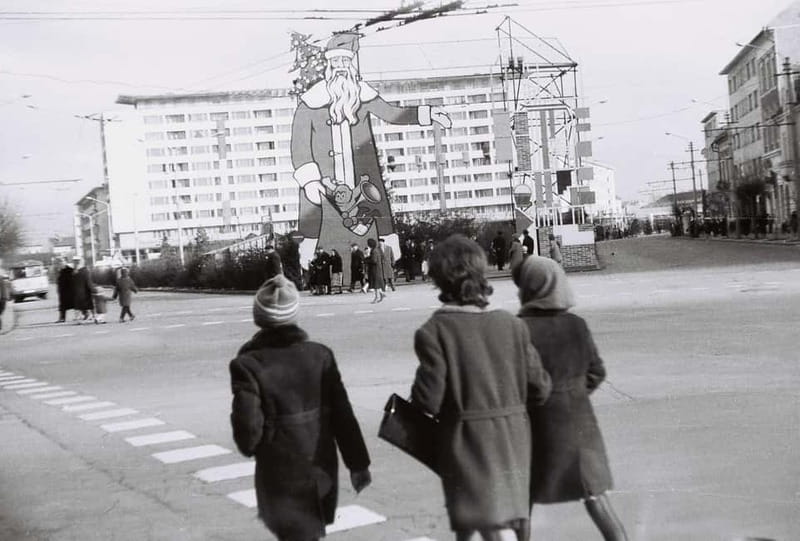
You spend time in the Marasti neighborhood, and that section is especially useful if you want more than general background. Marasti gives you a sense of how the Communist city looked and worked in everyday settings, not just in government slogans.
The guide explains how the regime’s ambition showed up in neighborhoods and in who had access to certain spaces. You also hear about former propaganda centers, places that once served the interests of Communist elites.
This part feels real because it is street-level. You are not only looking at monumental buildings, you are moving through the kind of urban environment where people actually spent time. That makes the bigger ideas, censorship and control, feel closer to lived experience.
Drawback to consider here: the tour’s length means you cannot linger forever at any one location. If you love slow photography or want to study details with zero time pressure, you might wish you had more than a 3-hour window. Still, the pace helps you see the overall pattern.
From industrial spaces to a Communist-era market stop
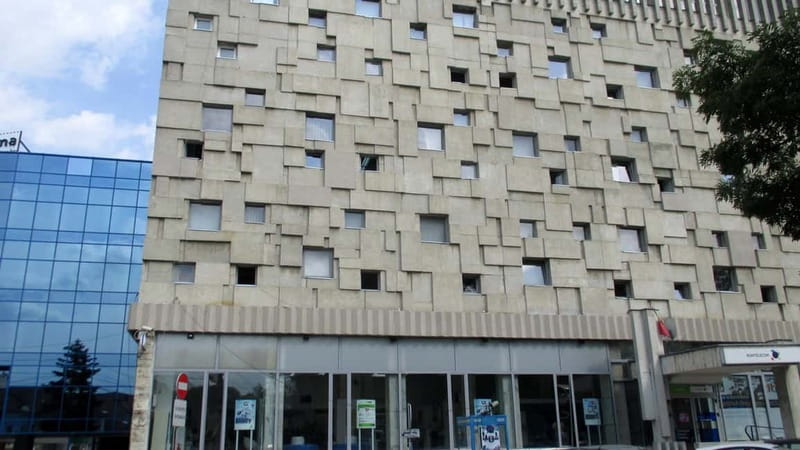
As you continue, you wind through old industrial spaces, which helps connect architecture to economics. Communism was not only politics and design, it was also production, jobs, and the machinery behind the state’s vision.
You also get a brief stop at a Communist-era market. Even without a long break, a market stop is a smart storytelling device. It lets the guide explain confiscation and collectivization in a way that ties back to what people needed and what they could actually find.
I found the emphasis on everyday reality particularly valuable. Many historical tours focus on speeches and leaders. This one keeps pulling you back to the lived consequences: what changed for families, what people dealt with, and how the state tried to control the flow of goods and information.
If you like history that you can feel in daily routines, this is one of the most satisfying sections. It gives you a reason to look beyond the impressive buildings.
More Communist History Tours in Cluj Napoca:
- Bucharest: Communism and History Guided City Walking Tour
★ 4.9 · 918 reviews - The Real tour of Communism
★ 5.0 · 666 reviews - Life under Communism
★ 5.0 · 358 reviews - 3-Hour Guided Tour of Communist Bucharest
★ 4.9 · 303 reviews
Censorship, queues, and church resistance, explained clearly
The most emotionally charged part of the walk is the storytelling about censorship and resilience. You hear how controlled media shaped what people saw, what was allowed to be discussed, and how that pressure worked in real life.
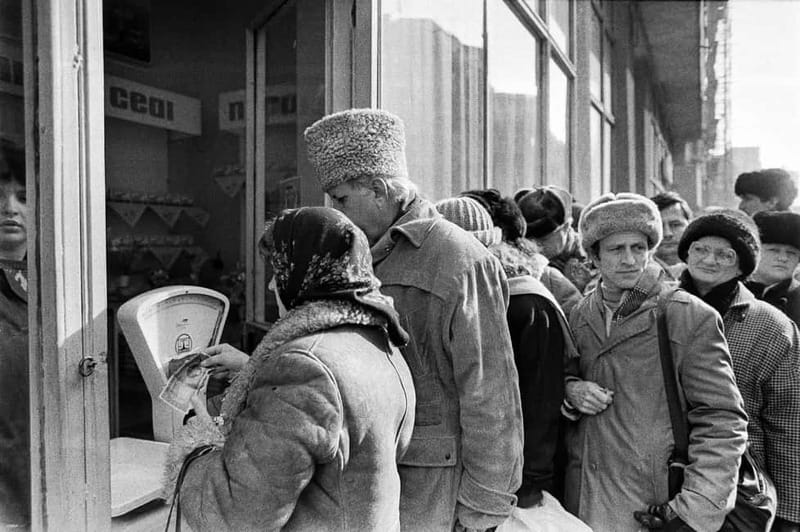
One highlight is how the guide uses concrete examples and visuals. In the discussions and explanations, you get references to things like queues for goods and even photographs connected to the massacre of anti-Communist protesters in Cluj. You also learn about the role of church figures who challenged communism in Cluj, and the consequences that followed.
That blend is important. It shows the system was not only enforced by buildings and rules, it was enforced by information control and fear. At the same time, it shows people did not just disappear. They found ways to resist, adapt, or persist, sometimes quietly, sometimes with real cost.
If you are worried the tour will feel too grim, do not. The tone stays guided and structured, with room for understanding how people adapted. Manuela’s delivery, in particular, comes across as organized rather than chaotic or overly dramatic.
How the guide turns architecture into stories you can remember
This tour stands or falls on the guide, and Manuela is a major reason people give it strong ratings. Her presentations are structured, and she connects locations to clear explanations, instead of listing facts like a walking pamphlet.
She also works well across languages. You can choose English, French, or Polish, and she delivers the same core experience with clarity. If you care about understanding every stop, that language consistency is a real quality marker.
What I appreciate most is the way the tour uses the city as a teaching tool. Architecture becomes a timeline. Neighborhoods become case studies. Even photographs and small references help you picture what daily life could look like under Communist rule.
Small practical note: you will cover enough ground that you should keep your camera accessible. This is not a museum where you pause at one doorway and stay still. It is a walking story, so plan to take shots without stopping in the middle of the sidewalk.
Price and value: is $74 a fair deal?
At $74 per person, you are paying for a 3-hour guided walking experience focused on a specific theme: Communist-era Cluj-Napoca. That price makes sense when you consider what is included.
You get:
- a licensed, live tour guide
- a guided route with on-the-ground explanations
- stories and insights tied to censorship, adaptation, and daily life
For many visitors, the value comes from perspective. This is not just about seeing old buildings. It is about understanding why those buildings look the way they do and how they affected how people lived.
If you like history only when it connects to real places, this is a good match. If you only want general sightseeing with no heavy subject matter, you might find the theme more intense than you expected. But for most people curious about how power shapes cities, the cost feels fair for a focused 3-hour format.
Who should book, and who might want a different style of tour
This is a good choice if you want:
- to understand Communist-era Romania through architecture and urban planning
- clear explanations in English, French, or Polish
- photo-worthy contrasts, especially standardized blocks versus older facades
- a story that includes censorship, resilience, and adaptation rather than only dates
It is not a great choice if:
- you need wheelchair-friendly routes or you have significant mobility limitations
- you want a low-walking, minimal-standing experience
- you do not handle heavy historical topics well, since the guide covers difficult events and consequences
One more small thing: the tour is outdoors, and weather can change. Plan your outfit for comfort and bring water if you tend to get thirsty while walking.
Should you book the Cluj-Napoca Communist Era walking tour?
If you are visiting Cluj-Napoca and want something more meaningful than a standard city walk, I think you should book it. The combination of architecture contrasts, Marasti neighborhood context, and the guide’s structured storytelling gives you a complete way to understand the era in a short time.
I would especially recommend it if you like tours that teach you how to look at a city. You will leave with a sharper eye for what buildings are trying to say, and for how people navigated life when the state controlled the rules.
FAQ
How long is the Cluj-Napoca Communist Era walking tour?
The tour is 3 hours long.
Where do I meet the guide?
Meet in front of the Matei Corvin Statue.
What is included in the price?
It includes a 3-hour walking tour, a live tour guide with license, and stories and insights into Communist-era Romania.
What languages are available?
The live guide is available in English, French, and Polish.
Is smoking allowed during the tour?
No, smoking is not allowed.
What should I bring?
Wear comfortable shoes and bring a camera. Water is recommended to stay hydrated.
Is this tour suitable for wheelchair users or people with mobility impairments?
No, it is not suitable for people with mobility impairments or wheelchair users.
Can I cancel for a full refund?
Yes. You can cancel up to 24 hours in advance for a full refund.
More Walking Tours in Cluj Napoca
- Cluj : Must-See Attractions Walking Tour
★ 4.8 · 8 reviews - Cluj : Private Walking Tour with A Guide ( Private Tour )
★ 5.0 · 7 reviews - From Cluj: Winter Walking Trip on the Great Mountain
★ 5.0 · 5 reviews - Cluj-Napoca Walking City Tour
★ 5.0 · 5 reviews
Recently listed in Cluj Napoca
- Private tour to Turda Salt Mine, Rimetea and Alba Iulia★ 4.8 · 5 reviews
- Turda Salt Mine, Gorge & Rimetea Village (private from Cluj)★ 5.0 · 5 reviews
- Turda salt mine and Corvin Castle day tour from Cluj★ 5.0 · 9 reviews
- CLUJ ADVENTURE TOUR ! ZIP LINE and HIKE★ 5.0 · 15 reviews
- Discover Apuseni Mountains – Scarita Summit,Sipote Waterfall and Dumesti Village★ 5.0 · 17 reviews
- Two days tour to Bucovina & UNESCO Painted Monasteries★ 5.0 · 3 reviews
- Turda Gorge, salt mine and Rimetea village private tour★ 5.0 · 12 reviews
- Day Trip To Turda Salt Mine, Rimetea Village & Coltesti Fortress★ 5.0 · 25 reviews
Communist History Tours, compared.
Parliament, Ceausescu House & Village Museum Tour
Read our review →
Bucharest Essential Tour: Old Town, Calea Victoriei & Communism
Read our review →
Communism in Bucharest – Landmarks, Museum & Communist Appetizers
Read our review →
Palace of Parliament, Ceausescu House & Village Museum
Read our review →Browse the lists this tour appears in