

REVIEW · COMMUNIST HISTORY TOURS
Bucharest: The “Last Days of Communism” Tour
Bucharest gets real fast. This half-day tour moves through the key stages of Romania’s communist era, ending with the place where the presidential couple once lived, so you can connect the grand buildings to the people and the violence that ended the system. You start at Revolution Square and follow the story toward the massive Parliament Palace, while also catching the nearby landmarks that shaped daily life and power.
I love the way this tour ties together Revolution Square with the final public scene tied to Nicolae Ceausescu. I also like the mix of street-level stops and real architecture, especially the Parliament Palace, where the scale is hard to ignore even if you think you know what dictatorship looks like.
One thing to plan around: entrance fees are not included for the Parliament Palace and Primaverii Palace, and those visits can also be swapped if the sites are closed for meetings or conferences.
In This Review
- Key highlights to look for
- What the Last Days of Communism Tour Shows in 5 Hours
- Revolution Square: the dictator’s last public stage
- Parliament Palace, the House of People: what you should notice
- Free Press Square and the propaganda city blocks
- Arch of Triumph and Calea Victoriei: decoding the street plan
- University Square and the city’s shifting centers
- Primaverii Palace: the former presidential residence
- Price and logistics: does $69 make sense?
- What kind of traveler this tour suits best
- Final call: should you book this Last Days of Communism tour?
Key highlights to look for
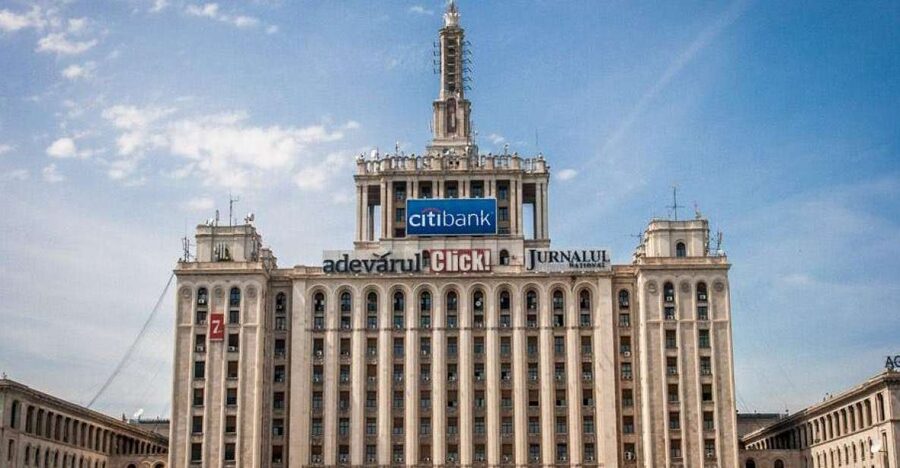
- Revolution Square balcony moment tied to Ceausescu’s last speech
- Parliament Palace (House of People), designed on an enormous scale
- Free Press Square and the story behind the House of the Free Press area
- Prime street views along Calea Victoriei, including the Romanian Atheneum area
- Primaverii Palace for a behind-the-walls look at the former presidential residence
- Hotel pick-up plus a focused 5-hour format that fits into a tight Bucharest schedule
What the Last Days of Communism Tour Shows in 5 Hours
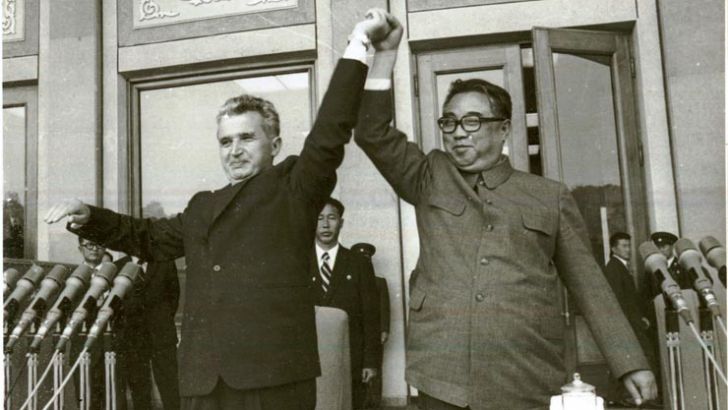
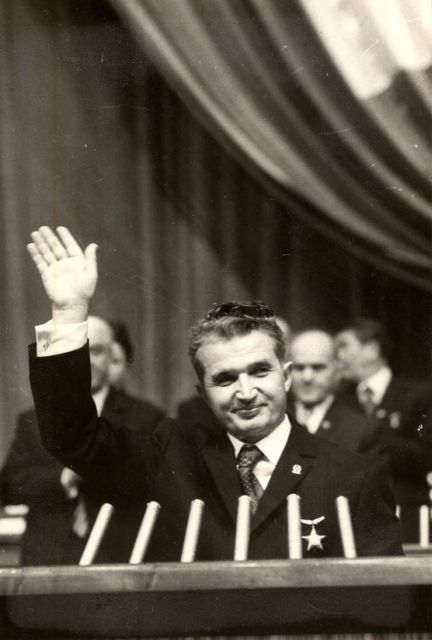
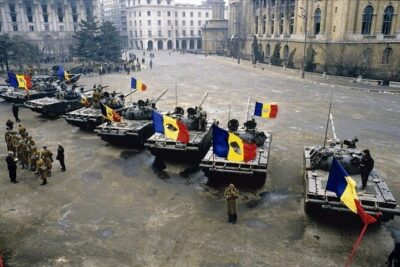
Romania was under communist rule for more than 40 years, from 1948 to December 1989. Nicolae Ceausescu rose through the system, becoming general secretary of the Romanian Communist Party in 1965, then president in 1974. About 15 years later, he was removed from power and executed after the violent revolution in the winter of 1989.
This tour is built to make those dates feel concrete. You are not just standing in front of plaques. You move through the city like you’re following chapters of a story, with stops that connect power, propaganda, and daily life to the buildings people built, and the lives they shaped.
At $69 per person for about a half-day, plus hotel pick-up, you get a guided route that hits the big symbols without turning it into an all-day slog. The pace is designed for first-time visitors who want context fast, especially if you are the type who keeps asking, Why did they build it like that?
The overall visit is about 5 hours. The main itinerary runs around 4 hours, with the morning pick-up woven in. Your exact routing shifts a bit depending on where your hotel is, which is useful if you’re staying in Old Town, near Calea Victoriei, or somewhere else across central Bucharest.
More Communist History Tours in Bucharest:
- Bucharest: Communism and History Guided City Walking Tour
★ 4.9 · 918 reviews - The Real tour of Communism
★ 5.0 · 666 reviews - Life under Communism
★ 5.0 · 358 reviews
Revolution Square: the dictator’s last public stage
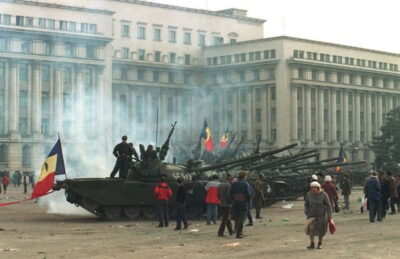
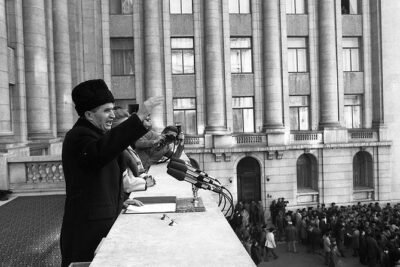
If Bucharest has a single political “set,” it is Revolution Square. Here, you see the open space tied to the 1989 uprising, including the balcony from which Ceausescu gave his last speech. Even if you’ve only read the broad outlines, standing near that spot helps you grasp how public spectacle worked in communist Romania.
What I like about this stop is that it is not presented as museum trivia. Your guide frames the square as a stage where the regime tried to control the narrative, and where the narrative broke. That matters, because the architecture around squares like this often outlives the people who ordered it.
One practical tip: bring an ID or passport with you. The tour notes you should carry the original document during the visit, which is easy to forget when you’re mostly outdoors and walking between landmarks.
Parliament Palace, the House of People: what you should notice
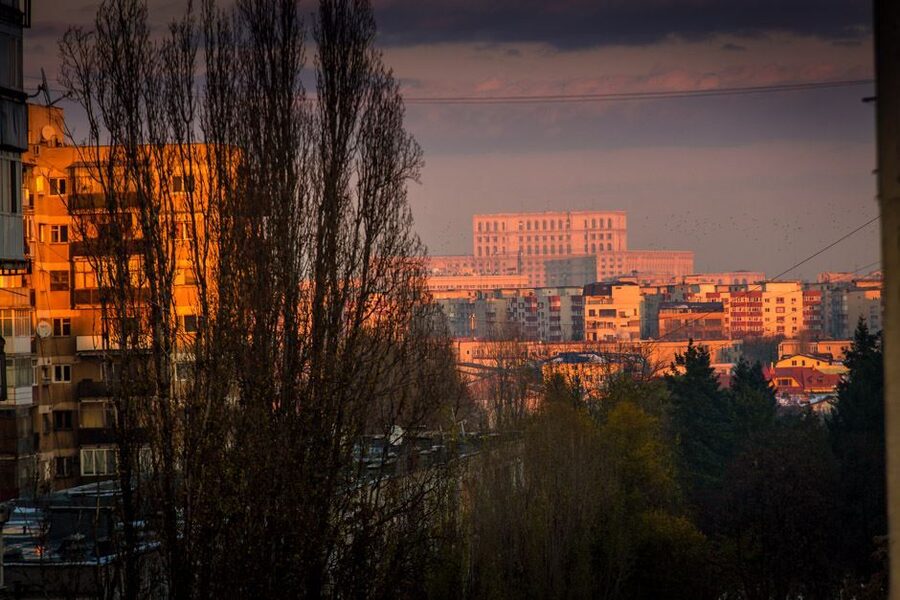
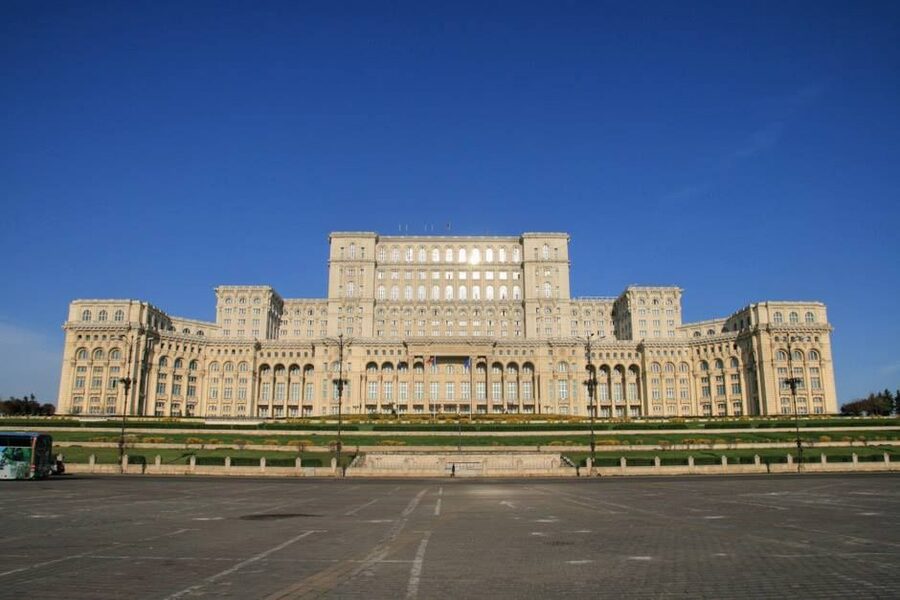
Next comes the city’s most dramatic communist-era structure: the Parliament Palace, commonly referred to as the House of People. This is the kind of building you don’t just look at, you register with your body. It dominates the area, and the scale alone signals what the regime wanted to project.
You also get an inside visit here, but only when entry is possible. Entrance fees are not included in the $69 price, so budget extra for the Palace if you want to see it rather than just pass the exterior. The good news is that this stop is a core reason many people book the tour in the first place.
Inside, the main value is how your guide connects space with ideology. Communist power loved monumental scale. The design choices make a point: the state is bigger than you, your voice matters less, and the building itself feels like a permanent claim.
Possible drawback: access can change. The tour information says visits are not guaranteed because institutions sometimes close for meetings and conferences. On weekends, there are stricter group rules for entering the Palace of Parliament. If your date is a weekend and your group is smaller than 10, the Palace may be replaced with an alternative attraction or a guided Old Town walking tour. That doesn’t mean the day is ruined, but it does mean you should be mentally flexible.
Free Press Square and the propaganda city blocks
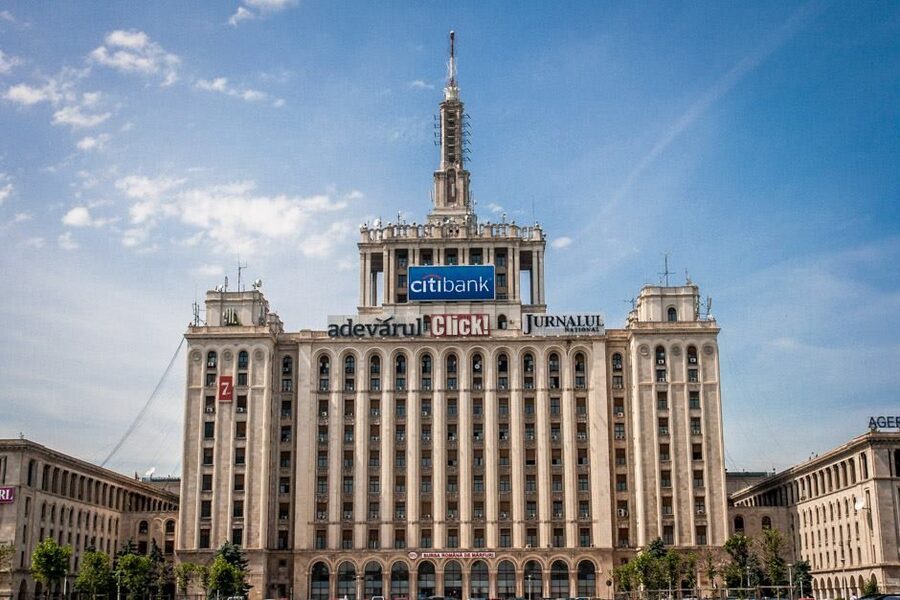
After the major set-piece of Revolution Square and the big statement of the Parliament Palace, you shift into a more “daily life” way of seeing the city. The route includes Free Press Square (Piata Presei Libere), and you also learn more about the House of the Free Press Square area.
This is where the tour gets interesting for people who want more than dictatorship as a single event. Propaganda systems live on in offices, media architecture, and the way the city is organized for visibility. A square dedicated to the press sounds straightforward, but your guide’s framing makes it clear that in communist Romania, media was part of the machinery of control.
As you move through these areas, you also pass major landmarks that help you map the city. The tour includes stops in areas such as Victoriei Square (Piata Victoriei), Romana Square (Piata Romana), and Charles de Gaulle Square (Piata Charles de Gaulle). These are not all strictly communist monuments, but they help you understand where power sat geographically and how the city’s identity grew around it.
If you like photography, this part of the day is good. You get wide city views and big façades without needing to hunt for angles on your own.
A different sort of day out in Romania:
- Bucharest: Dracula’s Castle, Peles Castle, & Brasov Old Town
★ 4.5 · 17,858 reviews - Bucharest: Dracula Castle, Peles Castle & Brasov Old Town
★ 4.6 · 10,891 reviews - Bucharest: Dracula’s Castle, Peleș Castle & Brașov Day Trip
★ 4.4 · 6,100 reviews - Bucharest: Palace of Parliament Tickets and Guide
★ 4.3 · 3,182 reviews
Arch of Triumph and Calea Victoriei: decoding the street plan
The tour route also includes the Arch of Triumph (Arcul de Triumf). In many cities, arches act like shortcuts for memory, telling you where to stand to feel the message. Here, it adds to the mix because Bucharest’s power story is not only about one era. The route helps you see how different periods leave their marks in the same urban space.
Then you get a walk or drive corridor on Calea Victoriei toward Revolution Square, including the Romanian Atheneum and Revolution Memorial area. This is one of the best stretches for understanding how “public culture” and “state power” share the same city.
Why it matters: communist regimes often borrowed the language of culture and public grandeur to legitimize themselves. When you pair that with the revolution story, the city starts making more sense. You can see how Bucharest can feel ornate and official, even while the people under it were not free.
Drawback to keep in mind: depending on your hotel location and where you are picked up, your day may include more driving and less walking than you expect. Still, the overall format is designed to keep you moving through the key sites without exhausting you.
University Square and the city’s shifting centers
The tour passes through University Square (Piata Universitatii). This kind of stop works well on a guided tour because the guide can connect what you see now with what it meant during the 1980s and around the 1989 revolution.
Squares like this also help you understand Bucharest as a living city, not a theme park of one regime. Romania is a democracy today, but the communist period is still part of the city’s bones. The tour keeps that balance, showing “great accomplishments” as the regime claimed, while also acknowledging how controversial and violent the era became.
If you’re traveling with someone who wants context and not just photos, University Square is a strong conversation anchor. It’s easier to process history when you can point at the places where crowds gathered, where officials appeared, and where political life spilled into public space.
Primaverii Palace: the former presidential residence
The final major highlight is Primaverii Palace, the former residence of the presidential couple. This stop is a reality check. You go from outdoor political stages and state buildings into a more personal scale, where you can think about how privilege worked under the system.
This is also a strong value point of the tour. Many “communism tours” focus only on public monuments. Primaverii Palace adds the domestic layer, helping you picture the gap between the regime’s image and the lived experience of ordinary people.
Just like the Parliament Palace, entrance fees for Primaverii Palace are not included. Also remember visits are not always guaranteed due to closures for meetings and conferences. Even with those uncertainties, Primaverii Palace is usually the kind of stop people remember because it changes how you interpret the earlier buildings.
Price and logistics: does $69 make sense?
Let’s talk about value in plain terms. The tour costs $69 per person and lasts about 5 hours. You get hotel pick-up in Bucharest, transport by car or minibus, and an English-speaking guide/driver. That all matters because central Bucharest is spread out, and a guided route saves you time and reduces the chance you miss key landmarks.
Where you might spend extra is upfront: entrance fees for the Parliament Palace and Primaverii Palace are not included. If you think you will skip one of those interiors, you could still enjoy the day by focusing on the outside architecture and the guided storytelling. But most people book this tour specifically to connect the buildings to the events, so plan for the entrances.
Timing is another reason this works. If you only have a short window in Bucharest, this format gives you a concentrated communist-era overview without requiring you to assemble a route yourself.
Group size can also affect the day. From March to October, and from December 16 to January 6, the minimum group size is 4 people. From January 7 to February 29, and from November 1 to December 15, the minimum group size is 2 people. If the minimum is not met, you get offered an alternative date or a full refund.
If you are traveling on a weekend, the Parliament Palace entry has its own group rule. For groups smaller than 10, the Palace is replaced with an alternative attraction or an Old Town walking tour. That is important if you care most about interiors.
What kind of traveler this tour suits best
This is a great fit if you want Bucharest history with structure. You get a guided route through the major “chapter locations” of communist power and its downfall, with enough context to help you connect what you see to why it mattered.
It is also ideal if you like guides who can explain the human angle. People who rated this highly pointed to a guide with strong passion and clear communication, and the sense that the guide worked hard to make sure they got what they came for. That shows up in the experience because the tour is not just one-way lecturing. The story is tied to each site.
This might not be the best match if you hate history in any form, or if you prefer totally independent travel where you decide every turn. Also, if you need guaranteed interior access at all times, remember the sites can close for meetings and conferences, and weekend conditions can change which attractions you enter.
Final call: should you book this Last Days of Communism tour?
I’d book it if you want a smart, guided way to understand Romania’s communist era without spending your day decoding maps. The route hits the high-impact stops: Revolution Square, the House of People at the Parliament Palace, and Primaverii Palace, then rounds it out with the surrounding squares and major streets that make the city story click.
You should skip it or adjust expectations if you’re only interested in outdoor sights and you don’t want to deal with extra entrance fees. Also be ready for the possibility of swapped visits if a site is closed, especially on weekends.
If you bring your ID, plan for entrance fees, and keep a flexible mindset, this is a solid value way to see Bucharest with meaning, not just monuments.
Recently listed in Bucharest
- Village Museum Bucharest Guided Tour★ 5.0 · 6 reviews
- Wine Tasting and Dinner, including Sommelier★ 5.0 · 3 reviews
- Winery touring & private wine tasting – one day private tour★ 5.0 · 3 reviews
- Bucharest: Dealu Mare Winery Private Trip with Wine Tasting★ 4.9 · 6 reviews
- Transylvania Tour: Dracula’s Castle, Peles Palace & Brasov★ 5.0 · 19 reviews
- Traditions in Bucharest: Village Museum and Wine Tasting★ 5.0 · 8 reviews
- Airport Henri Coanda (Otopeni) to Bucharest – Private Transfer – Driver★ 5.0 · 5 reviews
- Discover Medieval Transylvania Small Group Tour – 7 days★ 5.0 · 4 reviews
Communist History Tours, compared.
Parliament, Ceausescu House & Village Museum Tour
Read our review →
Bucharest Essential Tour: Old Town, Calea Victoriei & Communism
Read our review →
Communism in Bucharest – Landmarks, Museum & Communist Appetizers
Read our review →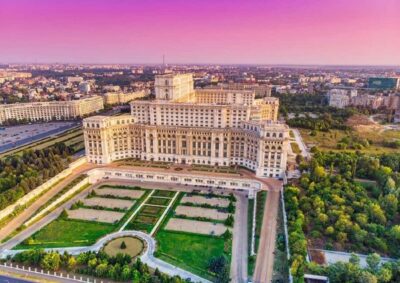
Palace of Parliament, Ceausescu House & Village Museum
Read our review →Browse the lists this tour appears in