
REVIEW · COMMUNIST HISTORY TOURS
Bucharest: Communist Tour including Ceausescu Residence
Ceausescu’s shadow is still visible. I love how this tour connects communist architecture to how people really lived, and I also like the way guides explain the story with clear, practical English (Claudia is a standout name you may see). The main drawback to keep in mind is timing at the Palace of the Parliament, where you can run into long waits even when you have a scheduled entry.
You’ll move efficiently, with hotel pickup and modern transport by car, minibus, or coach, so you spend the day learning instead of hunting buses. The day ends at the Spring Palace, the residential Ceausescu family home, which is a very different mood from the Parliament complex.
This isn’t the right fit if you need step-free routes or wheelchair access. The pace is also fairly brisk for a history theme park of a city, so wear comfortable shoes and plan to stand.
In This Review
- Key highlights you will actually use
- A 7-hour communist reality check in Bucharest
- Hotel pickup and the communist-era metro stations
- A working-class neighborhood that shows daily life under the system
- Palace of the Parliament: size, politics, and the wait factor
- Spring Palace (Palatul Primaverii): power in a residential form
- Guides and group size: the difference a good host makes
- Transportation that protects your time (and your energy)
- What to bring, what to wear, and what to avoid
- Price and value: is $256 worth it?
- Should you book this communist tour?
- FAQ
- How long is the Bucharest communist tour including Ceausescu’s Spring Palace?
- What is the pickup like?
- What is included in the price?
- Is lunch included?
- What should I bring with me?
- What language is the guide?
- What are the Spring Palace visiting hours?
- Is the Palace of the Parliament guaranteed to be visitable?
- Is this tour suitable for wheelchair users or people with mobility impairments?
- What is the cancellation policy?
Key highlights you will actually use
- Hotel pickup plus car or minibus keeps your start time painless
- Communist-era metro stations show ideology in everyday infrastructure
- A working-class neighborhood visit helps you picture daily life beyond rulers
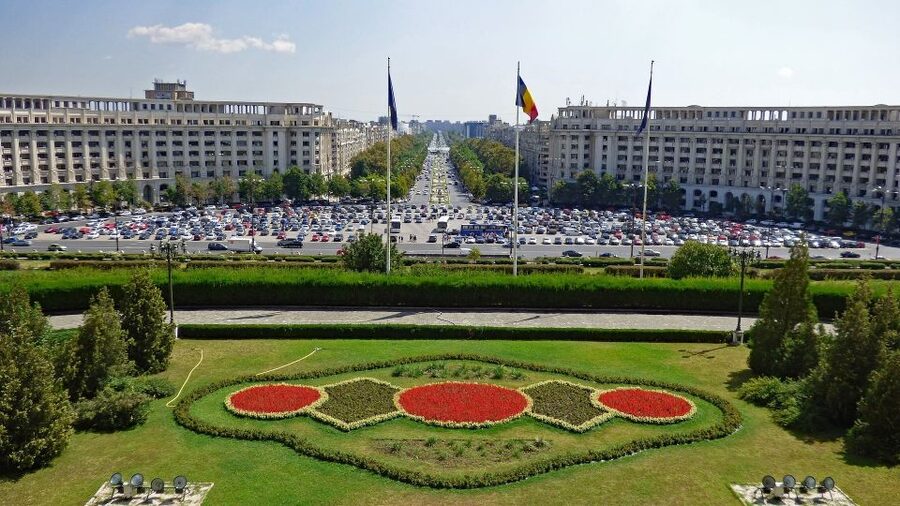
- Palace of the Parliament (completed in 1997) with the bigger Project Bucharest story
- Spring Palace (Palatul Primaverii), where you see power as a residence
- English-speaking guide with other languages available on request
A 7-hour communist reality check in Bucharest
If you think Bucharest is all grand boulevards and old-world charm, this tour gently corrects that idea. You’re looking at a city shaped by command, propaganda, and huge building projects, but the approach here is practical: you see the places, then you get the meaning.
I like that it is not only about top-down power. You also get a neighborhood built for the working class, which helps you understand what the system promised, and what people had to work with day to day. In a single afternoon, you can connect ideology to concrete, and concrete to routine.
More Communist History Tours in Bucharest:
- Bucharest: Communism and History Guided City Walking Tour
★ 4.9 · 918 reviews - The Real tour of Communism
★ 5.0 · 666 reviews - Life under Communism
★ 5.0 · 358 reviews
Hotel pickup and the communist-era metro stations
The tour starts with pickup from your hotel reception. From there, the first real “wow” comes early: a couple of metro stations built during the communist period.
Why these stops matter: metro stations in Bucharest are not just transportation. They are architecture with a message, designed to feel monumental and official. Even if you are not a transit nerd, you will likely notice the contrast between what you use every day and what someone in power wanted you to feel when you used it.
Practical tip: the morning part can involve more walking than you expect from just “two stops.” Comfortable shoes matter, and keeping your phone charged helps because you will want to compare details across sites.
A working-class neighborhood that shows daily life under the system
Next comes a neighborhood built for the working class, tied to the way Romania was organized under Nicolae Ceausescu’s regime. This part is important because communist Bucharest was not only palaces and ministries. It was also apartments, routines, and the physical reality of living with the state shaping your environment.
This segment is the one that tends to stick with people after the tour ends. Standing in a place meant for ordinary residents helps you shift from memorizing dates to imagining the texture of daily life: how you moved, where you shopped, and what it meant to be housed under an ideology.
What to watch for: the guide’s framing. If your guide explains the logic behind the neighborhood plan, you will leave with a clearer picture of what people may have experienced, not just what the regime built.
Palace of the Parliament: size, politics, and the wait factor
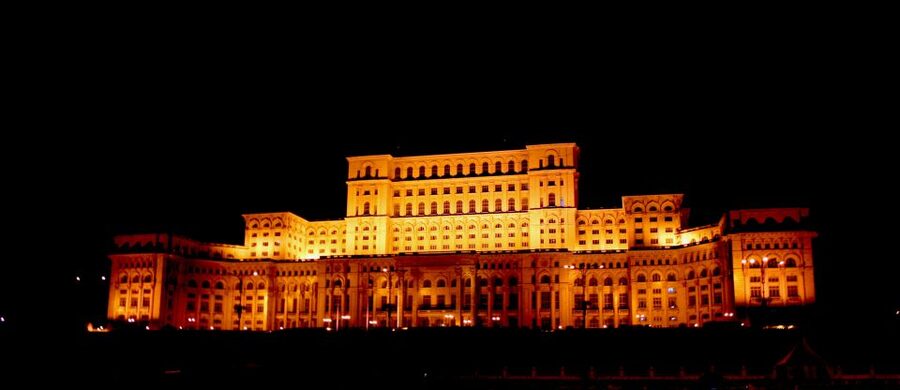
Then the day turns big, loud, and slightly surreal: the Palace of the Parliament. This is the centerpiece of Ceausescu’s “Project Bucharest” and it was completed in 1997. Even if you have seen photos, the scale here is hard to fully register until you are standing close enough to feel how planned and heavy everything looks.
Two things you will likely appreciate:
- The tour does not treat the building like a random landmark. You get the story behind it and why it became part of a wider remaking of the capital.
- You get context for how such a project functioned as power made visible, designed to be impossible to ignore.
Logistics note you should plan for: the entrance fee is included, but photography fees are not. Also, the tour can involve significant waiting. One common lesson from past groups is that even with set time slots, delays can happen.
One more “check before you go” item: there was a period (Jan 1 to Jun 30, 2019) when the Romanian Presidency at the Council of the EU made access uncertain. If the Parliament cannot be visited during your tour time window, the visit is replaced with another attraction or you can request a refund instead. If this site matters most to you, it is smart to confirm your departure date carefully.
A different sort of day out in Romania:
- Bucharest: Dracula’s Castle, Peles Castle, & Brasov Old Town
★ 4.5 · 17,858 reviews - Bucharest: Dracula Castle, Peles Castle & Brasov Old Town
★ 4.6 · 10,891 reviews - Bucharest: Dracula’s Castle, Peleș Castle & Brașov Day Trip
★ 4.4 · 6,100 reviews - Bucharest: Palace of Parliament Tickets and Guide
★ 4.3 · 3,182 reviews
Spring Palace (Palatul Primaverii): power in a residential form
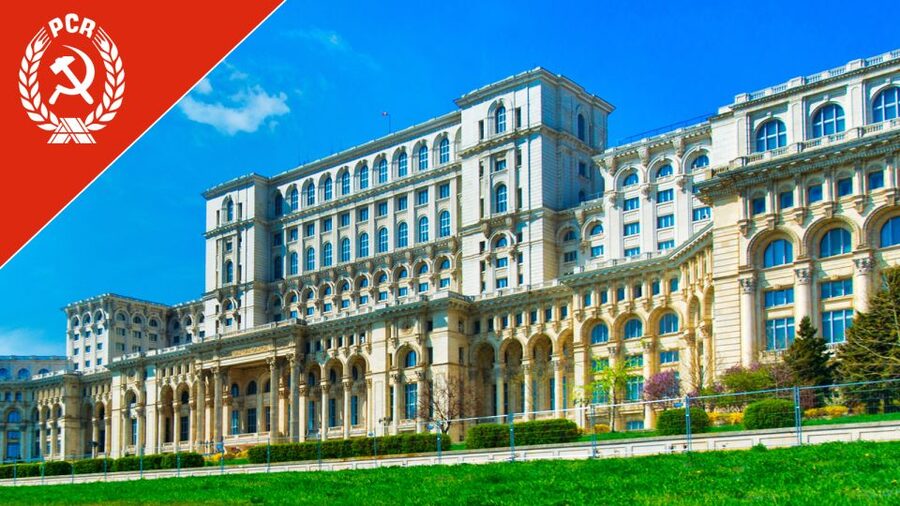
After the Parliament’s scale, the Spring Palace (Palatul Primaverii) brings you to the residential side of the Ceausescu story. This is where the famous Ceausescu couple lived their day-to-day lives.
Why this stop is so effective: it changes the question from what the regime wanted the world to see, to what it wanted its leaders to enjoy. You get to stand in a space tied to comfort and control at the personal level.
A practical note for planning: the Spring Palace can be visited Wednesday to Sunday from 10:00 AM to 6:00 PM. Since the tour lasts 7 hours, your exact day matters. If you are traveling midweek, this detail can be the difference between a smooth visit and a last-minute shuffle.
Guides and group size: the difference a good host makes
This tour experience lives or dies with the guide’s delivery. In the feedback you can see a clear pattern: when a guide keeps the story organized, the sites start to feel connected instead of like random stops.
You might encounter guides like Claudia or Marcel, and their names come up for a reason. One highlight you should expect is strong command of English. Another is a history explanation that stays clear and usable, not just a list of dates.
Group size can also affect your day. The tour is described as a private group, and that usually helps you move with fewer distractions. Still, if your departure is on the larger side, it can change pacing, and you may spend more time in lines or waiting for everyone to regroup.
Also, be aware that not every version of a route includes every special element. If you specifically care about a bunker-style stop inside the mansion area, make sure it is explicitly included for your date when you book, because mismatches have happened before.
Transportation that protects your time (and your energy)
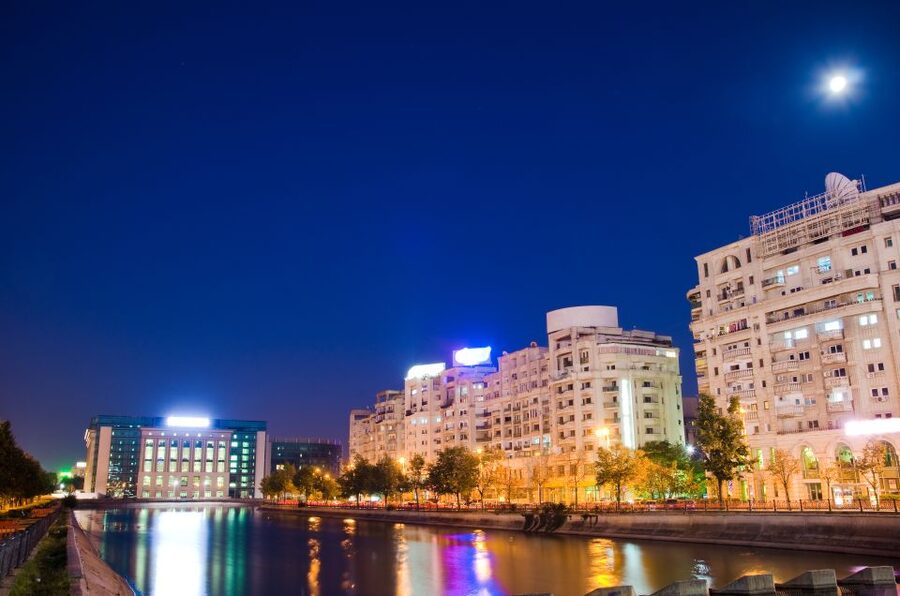
A major value point here is the hassle-free transportation. You ride in a modern, well-equipped car, minibus, or coach, so you do not lose your afternoon to transfers, schedules, and taxis.
This matters because communist-era sightseeing is physically demanding. You are walking between sites and spending time inside large buildings. The transport component keeps your energy for the parts you came for.
If you are booking a shared option, you should remember that the start and flow can include delays of up to 30 minutes. For a tight itinerary day, you might want to keep your evening plans flexible.
What to bring, what to wear, and what to avoid
For this tour, the essentials are simple:
- Bring your passport or ID card
- Wear comfortable shoes
A couple of “no surprises” rules also apply: pets are not allowed, and the tour is not suitable for people with mobility impairments or wheelchair users. If you need step-free access, it is worth looking for a different format in advance rather than hoping for accommodations on site.
Price and value: is $256 worth it?
At $256 per person for 7 hours, the value comes from what is bundled, not just the headline cost. You are getting:
- Transport in a modern vehicle
- An English-speaking guide
- Entrance fees for the Palace of the Parliament (with photography fees excluded) and Ceausescu House (the Spring Palace area)
Lunch is not included, so you will want to plan a meal before or after. Still, when you add up guide time, entrance fees, and guided transport across multiple major sites, this can be a fair way to get a lot of context in one go.
Where the value can feel less strong is if access at the Parliament changes on your date or if waits eat into your time. That is not a dealbreaker, but it is the one thing that can make a “short time, big story” itinerary feel longer than planned.
Should you book this communist tour?
Book it if you want a focused route through Bucharest’s communist-era landmarks without turning your trip into a logistics project. The mix of metro stations, a working-class neighborhood, and the two big Ceausescu-related buildings gives you both ideology made physical and everyday life shaped by the system.
Skip it or rethink it if:
- You need wheelchair or step-free access
- You are only interested in one building and would rather spend a slow day at your own pace
- You care about a very specific interior element (like a bunker-style visit) and you cannot confirm it is included for your exact departure date
If you do book, go in with the right mindset: you are not just sightseeing. You are comparing how power tried to control the city, then using that contrast to understand what the people in Romania had to live with.
FAQ
How long is the Bucharest communist tour including Ceausescu’s Spring Palace?
The tour duration is 7 hours.
What is the pickup like?
The tour starts with pickup from your hotel reception.
What is included in the price?
It includes transport with a modern, well-equipped car, minibus or coach; an English-speaking guide (Spanish, French, and German guides may be available on request); and entrance fees for the Palace of the Parliament (photography fee excluded) and for Ceausescu House.
Is lunch included?
No, lunch is not included.
What should I bring with me?
Bring your passport or ID card, and wear comfortable shoes.
What language is the guide?
The live tour guide language is English. Other languages may be available on request (Spanish, French, and German).
What are the Spring Palace visiting hours?
The Spring Palace can be visited between Wednesday and Sunday from 10:00 AM to 6:00 PM.
Is the Palace of the Parliament guaranteed to be visitable?
Access may not be guaranteed during certain periods. For example, from January 1 to June 30, 2019, the Palace of the Parliament hosted works related to the Romanian Presidency at the Council of the European Union, and the visit could be replaced with another attraction or refunded if you prefer.
Is this tour suitable for wheelchair users or people with mobility impairments?
No, it is not suitable for people with mobility impairments or wheelchair users.
What is the cancellation policy?
Free cancellation is available up to 24 hours in advance for a full refund.
Recently listed in Bucharest
- Wine Tasting and Dinner, including Sommelier★ 5.0 · 3 reviews
- Winery touring & private wine tasting – one day private tour★ 5.0 · 3 reviews
- Village Museum Bucharest Guided Tour★ 5.0 · 6 reviews
- Bucharest: Dealu Mare Winery Private Trip with Wine Tasting★ 4.9 · 6 reviews
- Transylvania Tour: Dracula’s Castle, Peles Palace & Brasov★ 5.0 · 19 reviews
- Traditions in Bucharest: Village Museum and Wine Tasting★ 5.0 · 8 reviews
- Airport Henri Coanda (Otopeni) to Bucharest – Private Transfer – Driver★ 5.0 · 5 reviews
- Discover Medieval Transylvania Small Group Tour – 7 days★ 5.0 · 4 reviews
Communist History Tours, compared.

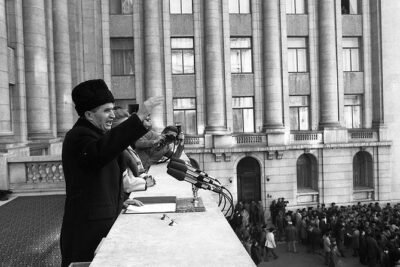

Parliament, Ceausescu House & Village Museum Tour
Read our review →
Bucharest Essential Tour: Old Town, Calea Victoriei & Communism
Read our review →
Communism in Bucharest – Landmarks, Museum & Communist Appetizers
Read our review →
Palace of Parliament, Ceausescu House & Village Museum
Read our review →Browse the lists this tour appears in