
REVIEW · HISTORICAL TOURS
Bucharest: 3-Hour Dark History Tour with a Local
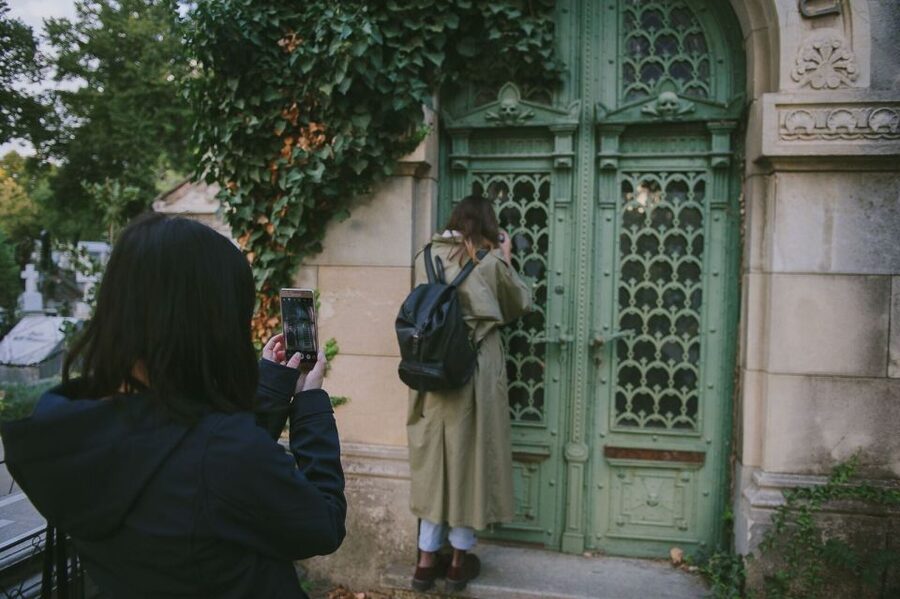
Bucharest has a darker side worth seeing. This 3-hour tour links street corners and cemeteries to the forces that shaped Romania, from the 1989 Revolution to the city’s infamous crimes, with stops at Bellu Cemetery and Revolution Square.
I especially like how the tour balances heavy topics with real place-based detail. Two standouts for me are the architecture and stories at Bellu Cemetery, and the way the guide keeps the pace moving with metro rides plus a included traditional street snack.
One drawback to plan for: the subject matter gets intense, and it is not aimed at kids, with a minimum age of 16 plus themes tied to dictatorship and torture.
In This Review
- Key points
- Start on a cemetery street, then let the city explain itself
- Bellu Cemetery: national monument architecture and the stories that stick
- Expect time for the cemetery atmosphere
- University Square: where the 1989 Revolution narrative gets real
- Little Paris and the interwar sex trade, with what’s left in plain view
- The Vampire of Bucharest: a serial killer story in the city’s 1970s context
- Revolution Square: prisons, Ceaușescu, and the Securitate’s daily terror
- Walking plan, metro tickets, and how to keep it comfortable
- Price and value at $55 for 3 hours
- Who this tour is best for (and who should skip it)
- Should you book this dark history tour?
- FAQ
- How long is the Bucharest dark history tour?
- What does the tour cost?
- Where do I meet the guide?
- What is included in the price?
- What should I bring?
- Is this tour suitable for children?
- What is the group size?
- Are food and drinks included?
- What topics will the tour cover?
- What is the cancellation policy?
Key points
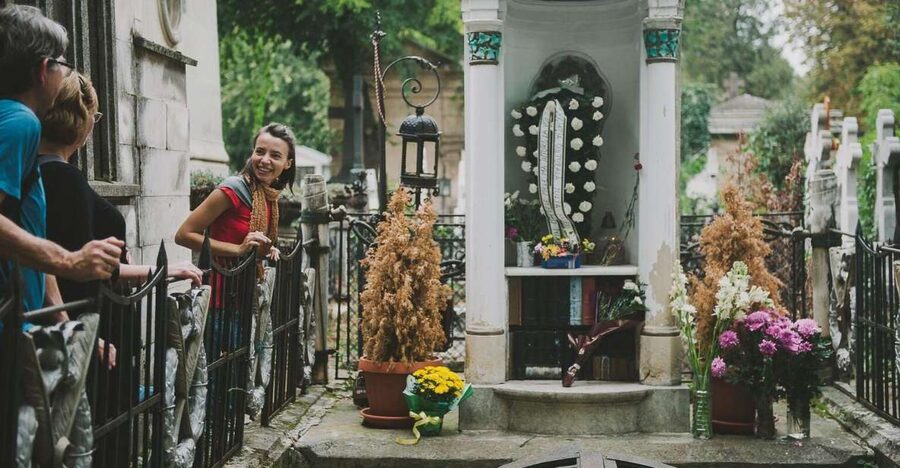
- Bellu Cemetery (national historical monument): funerary architecture plus memorable human stories
- Revolution-era locations: University Square and Revolution Square connect 1989 events to later protests
- Interwar Bucharest details: a look at Little Paris and what remains of the interwar sex trade
- The Vampire of Bucharest: a serial killer story placed in the city’s 1970s context
- Small group format (max 12): easier conversations and more personal guiding
- Practical included extras: local English guide, traditional street snack, and metro tickets
Start on a cemetery street, then let the city explain itself
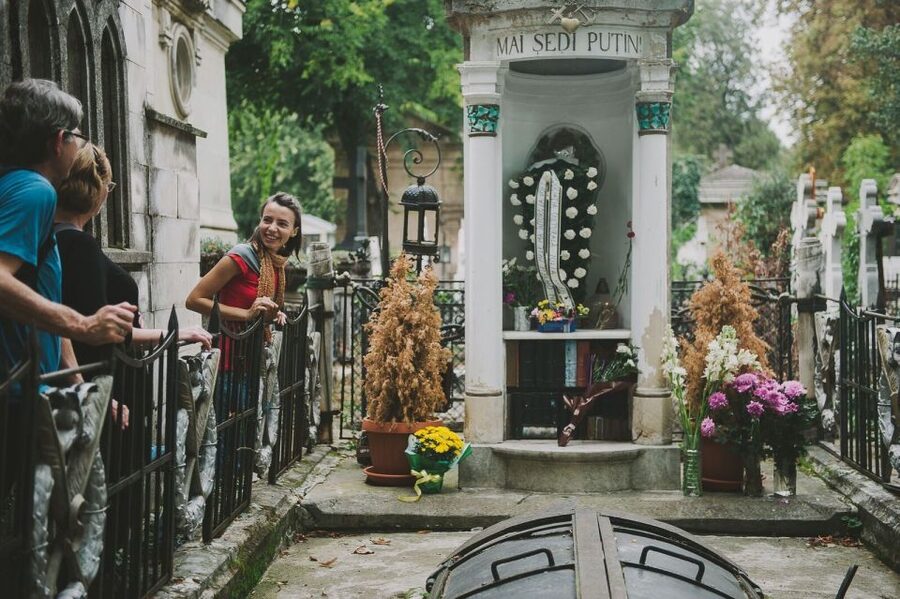
You start near the center on a street that holds at least six cemeteries. That means the tour begins with a quick visual shock, and then turns it into context: you’re not just looking at headstones, you’re learning how different communities were recorded in Bucharest over time.
This is a smart way to start because it sets a tone. By the time you reach the famous Bellu Cemetery, you already understand why cemeteries here are more than quiet places. They are archives made of stone.
More History Tours in Bucharest
- Bucharest: Communism and History Guided City Walking Tour
★ 4.9 · 918 reviews - Bucharest: Small Group History, Art & Secrets Tour
★ 4.7 · 152 reviews - Guided Walking Tour of Historical Bucharest
★ 5.0 · 84 reviews
Bellu Cemetery: national monument architecture and the stories that stick
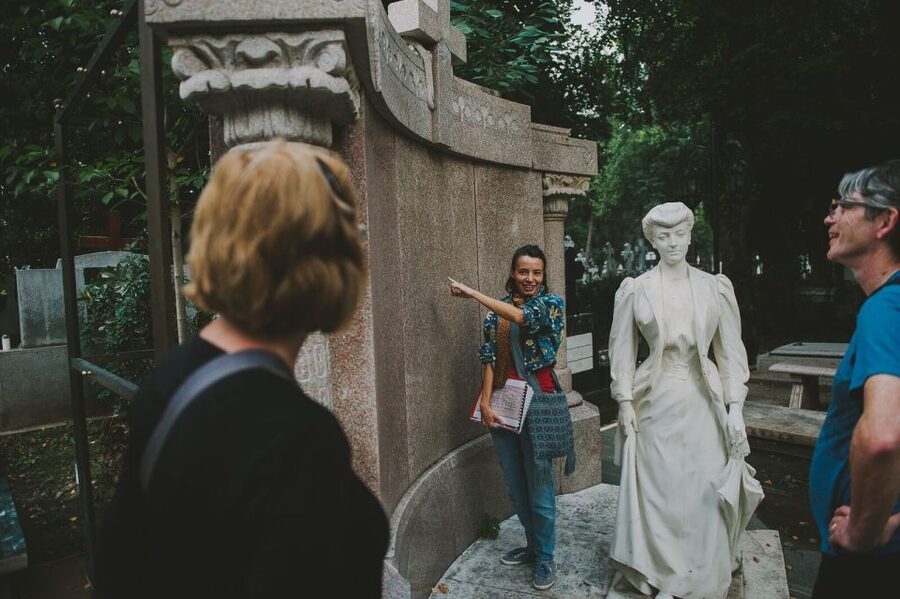
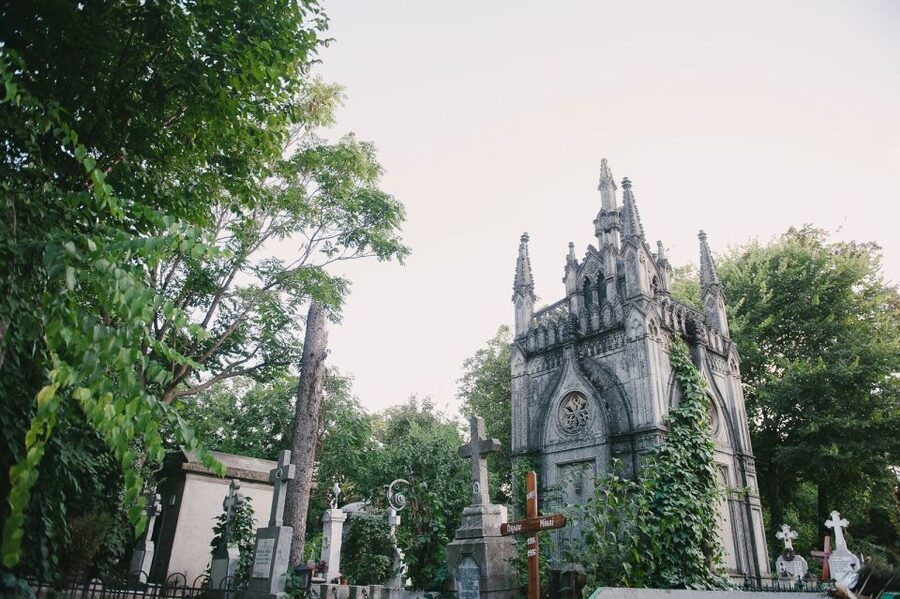
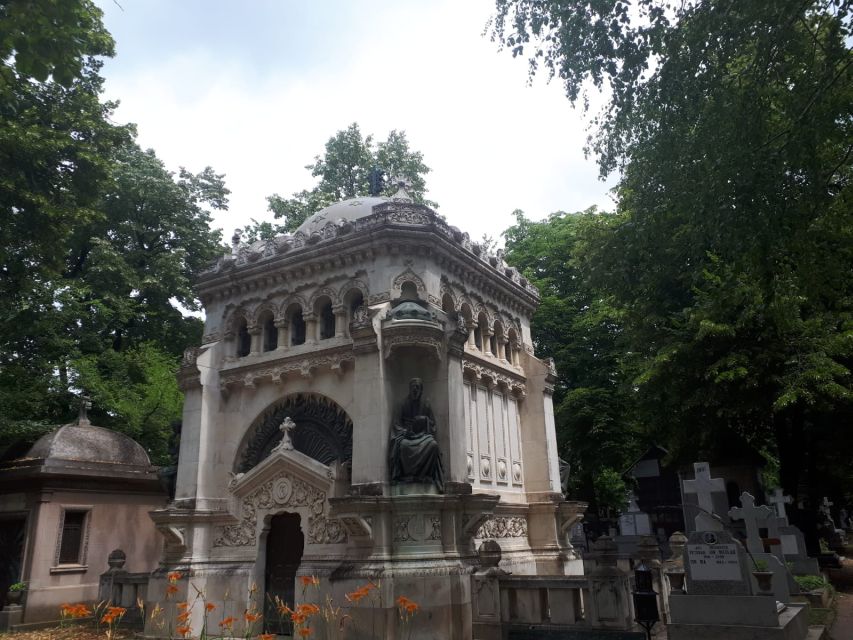
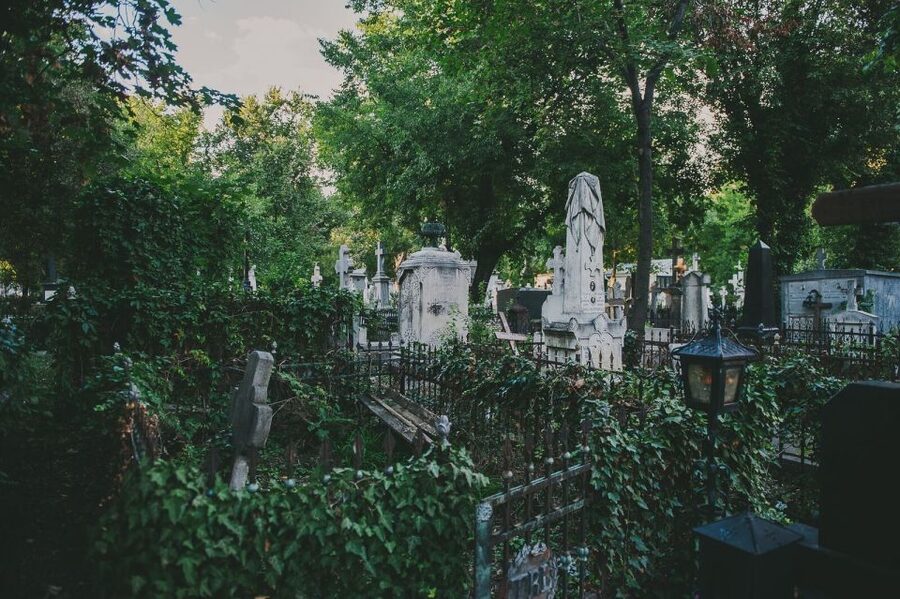
Bellu Cemetery is the showpiece, and it earns that reputation. You visit the old historical part, a national historical monument known for funerary architectural jewels and personalities built into tomb designs.
What I like most is that your guide connects the art to the emotions. You hear sad love stories, but also sinister mysteries, so it feels like walking through multiple genres of history at once, not a single lecture.
If you are the kind of person who notices small things, this stop rewards you. In past tour groups, guides have pointed out cemetery details and monuments carefully, the kind of small visual cues you would miss if you were rushing or going solo.
Expect time for the cemetery atmosphere
Cemeteries can be slow by nature, but this one keeps moving with explanations. Still, wear shoes you trust and keep your pace comfortable. The ground can be uneven in places, and you do not want to be thinking about your feet when the story turns dark.
Also, some guides make time for the resident stray cats and dogs. If you see that happening, it usually adds a human, local touch that softens the mood without removing the history.
University Square: where the 1989 Revolution narrative gets real
Next you head to University Square, one of the key spots tied to the Revolution in 1989. Your guide places it into the bigger story of Romanian political change, including later anticommunist student protests in the 1990s.
The important thing here is cause and effect. You’re not just collecting facts about a date. You are learning how public space becomes a stage, and how crowds and young protest movements can shape what happens next.
If you want to understand why communism fell when it did, this stop helps. Seeing the location alongside the timeline makes the Revolution feel less abstract. It turns into something you can point to on the map.
A different sort of day out in Romania:
- Bucharest: Dracula’s Castle, Peles Castle, & Brasov Old Town
★ 4.5 · 17,858 reviews - Bucharest: Dracula Castle, Peles Castle & Brasov Old Town
★ 4.6 · 10,891 reviews - Bucharest: Dracula’s Castle, Peleș Castle & Brașov Day Trip
★ 4.4 · 6,100 reviews - Bucharest: Palace of Parliament Tickets and Guide
★ 4.3 · 3,182 reviews
Little Paris and the interwar sex trade, with what’s left in plain view
Then the tour jumps back to the interwar era, when Bucharest had an atmosphere nicknamed Little Paris. Here, the guide explains the practice of sex trade in Bucharest and helps you spot what remains today.
This is a delicate topic, so pay attention to how your guide frames it. The value is not shock value. It’s social history, how a city’s glamour and survival systems often share the same streets.
You should also know what kind of tourism this is. This is not a history that stays behind glass. You are walking in today’s streets while learning about the past economy that used them. That makes it memorable, and it also means the evidence is sometimes subtle.
The Vampire of Bucharest: a serial killer story in the city’s 1970s context
One of the tour’s most talked-about sections focuses on a serial killer nicknamed the Vampire of Bucharest, who terrorized the city in the early 1970s. The guide does not treat it like a campfire story. It’s presented as an urban history puzzle, tied to how Bucharest was functioning at the time.
I like that the narrative stays grounded. You’re learning how fear moves through a city, how people respond, and how authorities operate in an era under a specific political climate.
Just as important, your guide uses walking time well. The story lands better when it’s paired with street context, not just dates.
If you prefer spooky content without graphic detail, you’ll likely find the approach manageable. Still, it is dark history, so keep your expectations aligned with the theme.
Revolution Square: prisons, Ceaușescu, and the Securitate’s daily terror
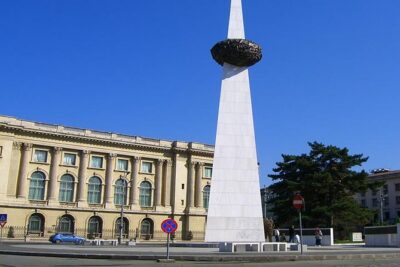
Finally, you reach Revolution Square, described as the place where the 1989 Revolution started in Bucharest. This stop connects the revolution’s ignition points to what came before and what the regime relied on to hold power.
Here, your guide explains the communist regime’s prisons, labour camps, and torture methods used to silence critics. You also learn about Ceaușescu’s dictatorship and the terror created by the Securitate, Romania’s own version of a secret police force.
In a tour like this, the key value is clarity. It helps you understand what people were up against day to day, not just what happened in speeches. You leave with a more complete picture of why political fear can be so effective, and why it can also collapse.
Walking plan, metro tickets, and how to keep it comfortable
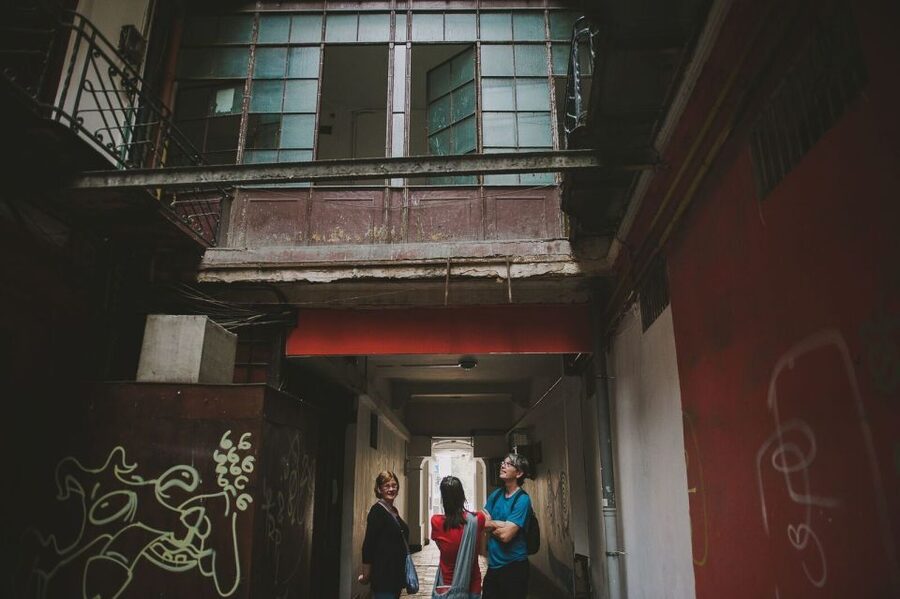
This is a walking tour, and the topic is heavy. The best move is to dress for your energy, not for the weather photo you want.
Bring comfortable shoes, plain and simple. Several guides in past groups have kept pace up with thoughtful stops, but you are still on your feet for most of the 3-hour window.
The tour also includes metro tickets, which helps you avoid the common Bucharest problem of guessing routes mid-story. That matters because you are trying to listen, not navigate.
And because conditions can swing quickly in winter, bring layers. One of the most practical pieces of advice from groups is to wrap up warm on cold days. When you’re standing around and walking between sites while focused on stories, you feel the cold more than you expect.
Price and value at $55 for 3 hours
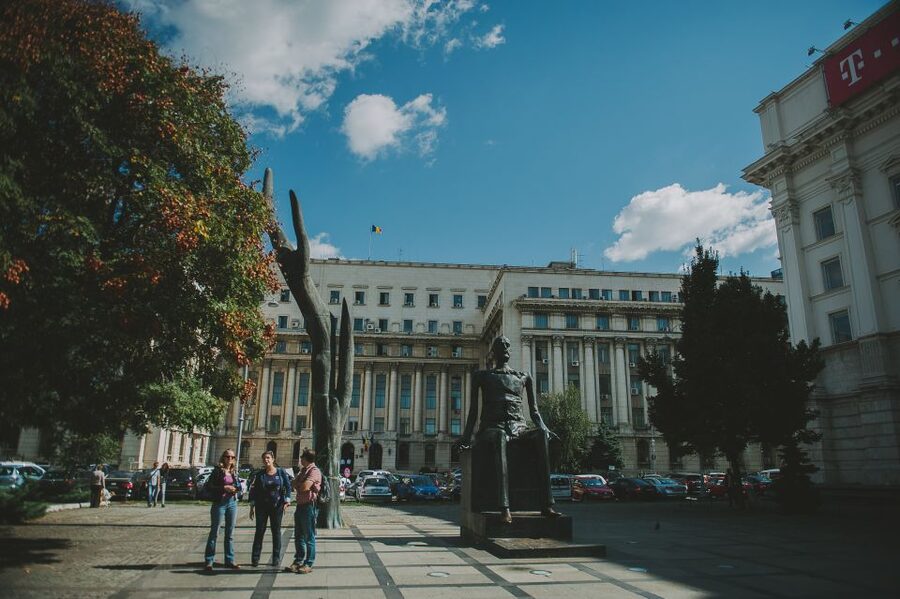
At $55 per person, this tour is priced for a guided experience that does more than point out landmarks. You get an English-speaking local guide, a traditional street snack, and metro tickets.
The best value is the combination of access and interpretation. The Bellu Cemetery stop alone can be impressive, but without context it can also feel like you are reading stone instead of understanding it. With a guide, you get connections, timelines, and the social meaning behind the architecture.
Also, the small group limit of 12 people is a quiet advantage. It makes it easier to ask questions and keep the pacing humane. And if your group ends up small, you may get that friend-like feel where the guide can tailor the conversation more closely.
If your idea of value is time efficiency, this tour helps. You cover multiple major sites in a tight window and you do it with transport handled.
Who this tour is best for (and who should skip it)
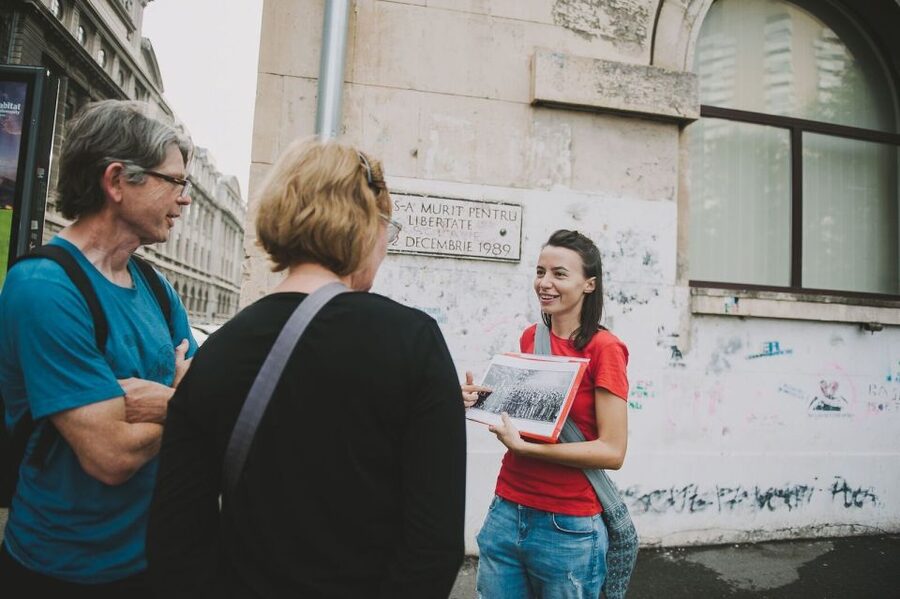
This tour is best for you if you want Bucharest in full context. Not just the postcard streets, but the places where revolutions happened, where repression left marks, and where urban life included both glamour and exploitation.
It also fits you if you like architecture and storytelling together. Bellu Cemetery is a strong draw, and guides tend to emphasize funerary art, details, and the human stories carved into monuments.
Skip it if you want a light, upbeat outing. The themes here include dictatorship and the Securitate, plus stories tied to violence. Also, the tour is not for kids, with a minimum age of 16.
Finally, if you hate walking tours, this might test your patience. The route uses metro, but it is still a city stroll on a darker theme.
Should you book this dark history tour?
I think you should book it if you want a Bucharest that feels lived-in, not curated for comfort. The stop at Bellu Cemetery plus the political anchors at University Square and Revolution Square give you structure, and the guide’s storytelling turns that structure into understanding.
Before you go, set yourself up for success: wear good shoes, dress warmly if it’s cold, and be ready for serious subject matter. If that sounds like your kind of travel, this 3-hour tour is a strong use of an afternoon.
FAQ
How long is the Bucharest dark history tour?
It lasts 3 hours.
What does the tour cost?
The price is $55 per person.
Where do I meet the guide?
Meet at the main entrance of Ion Luca Caragiale National Theatre, Bulevardul Nicolae Bălcescu 2, București 010051, Romania.
What is included in the price?
You get an English-speaking local guide, a traditional street snack, and metro tickets.
What should I bring?
Wear comfortable shoes.
Is this tour suitable for children?
No. Travelers under 16 years of age are not permitted to join.
What is the group size?
The tour operates with a maximum group size of 12 people.
Are food and drinks included?
Only a traditional street snack is included. Additional food and drinks are not included.
What topics will the tour cover?
You will visit Bellu Cemetery, learn about the Revolution in 1989 sites, hear stories tied to interwar Bucharest, including famous prostitutes, and learn about the serial killer nicknamed the Vampire of Bucharest, plus the communist era under Ceaușescu and the Securitate.
What is the cancellation policy?
You can cancel up to 24 hours in advance for a full refund.
Recently listed in Bucharest
- Winery touring & private wine tasting – one day private tour★ 5.0 · 3 reviews
- Village Museum Bucharest Guided Tour★ 5.0 · 6 reviews
- Wine Tasting and Dinner, including Sommelier★ 5.0 · 3 reviews
- Bucharest: Dealu Mare Winery Private Trip with Wine Tasting★ 4.9 · 6 reviews
- Transylvania Tour: Dracula’s Castle, Peles Palace & Brasov★ 5.0 · 19 reviews
- Traditions in Bucharest: Village Museum and Wine Tasting★ 5.0 · 8 reviews
- Airport Henri Coanda (Otopeni) to Bucharest – Private Transfer – Driver★ 5.0 · 5 reviews
- Discover Medieval Transylvania Small Group Tour – 7 days★ 5.0 · 4 reviews
Historical Tours, compared.
Roma Culture, Realities and Slavery History, Walking tour
Read our review →
Bucharest Jewish Heritage | Holocaust Memorial | Private Car Tour
Read our review →
Private Bucharest: History & Food with Traditional Meal
Read our review →
Half-Day Jewish Heritage Walking Tour in Bucharest
Read our review →Browse the lists this tour appears in