
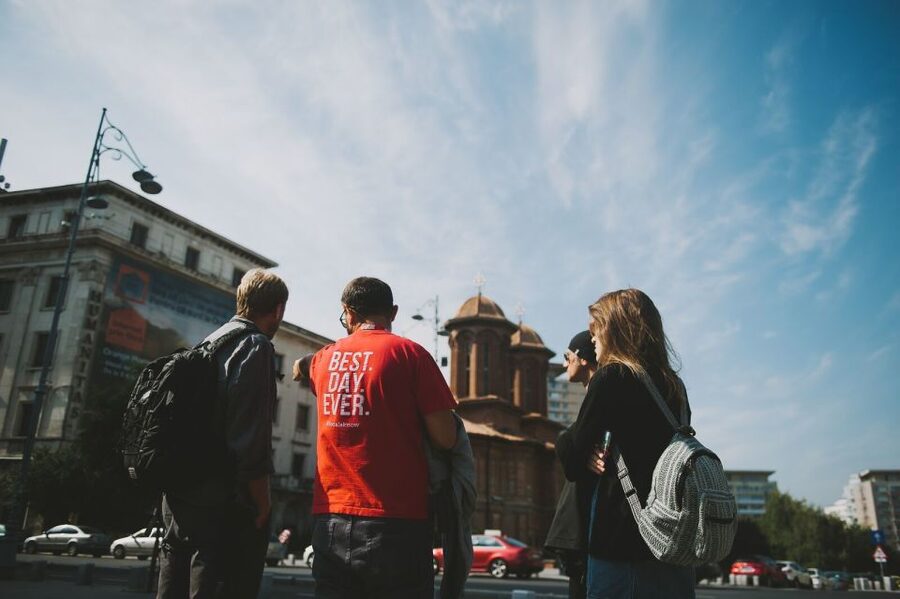
REVIEW · FOOD & DRINK
Private Bucharest: History & Food with Traditional Meal
Bucharest tastes like every era it survived. I love how this private 4-hour tour links big political moments to what ends up on your plate, starting at Revolution Square and moving through medieval streets and inter-war landmarks. You also get a clear 101 on how Bucharest works, so your first day feels like you already have bearings.
The second part is where I really feel the payoff: the tour ends with a three-course traditional Romanian meal in a charming hanu, plus a house drink (beer, wine, or a soft drink). One possible drawback to think about first, though: outside the sit-down meal, the built-in food sampling is more of a quick taste, so if you want lots of stop-and-sip snacks all along the route, this may feel lighter.
In This Review
- Key highlights
- Getting Your Bucharest Bearings in 4 Hours
- Revolution Square, Carol I, and the Moment History Turned
- Victory Street and the Clues in Architecture
- Old Town Passageways: Where East Meets West in the Food
- People’s Palace and the Weight of Ceausescu’s City Plan
- The Covrig Bite: A Tiny Snack With Big Explanations
- A Traditional Hanu Meal That Reads Like a Taste Tour
- Food Quantity, Expectations, and a Quick Reality Check
- Who This Tour Fits Best (And Who Might Want Something Different)
- Guides, Pace, and Why the Human Factor Matters
- Price and Value: What $140 Buys You Here
- Carbon Neutral Touring That Still Feels Real
- Should You Book This Bucharest History and Food Tour?
- FAQ
- Where is the meeting point for the tour?
- How long is the private tour?
- Is the tour in English?
- What food is included?
- What drinks are included?
- Is this a private group tour?
- Is it child-friendly?
- Is the tour carbon neutral?
Key highlights
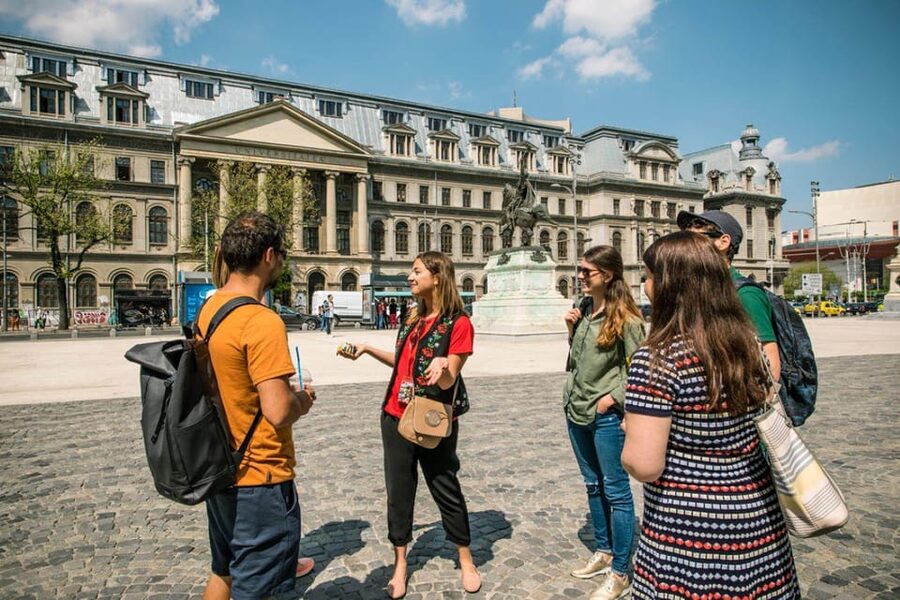
- Revolution Square to Old Town: a walking route that turns history headlines into street-level context
- Covrig snack: a simple Romanian daily staple that helps explain how cuisines mix over centuries
- Mici, sarmale, borscht/ciorba, schnitzel: specific food influences tied to Ottoman, Russian, and Austro-Hungarian rule
- People’s Palace viewpoint: a quick look at Ceausescu’s megaproject and why it still defines the city
- Three-course hanu meal: a proper sit-down that makes the geography and flavors stick
- Eco-minded operation: a carbon neutral tour run by a B Corp certified company committed to travel as a force for good
Getting Your Bucharest Bearings in 4 Hours

If Bucharest is your first stop in Romania, you usually need two things fast: a sense of direction and a story that makes the neighborhoods feel connected. This tour gives you both. You start in the political center, then gradually work your way toward older streets and the kinds of buildings that reflect outside influences.
It’s private, so the guide can steer the pace to your group. The route is walking focused, so you’ll want comfortable shoes and casual clothing. Kids also fit well here, and multiple guides have been praised for patience and good inclusion for children, which matters when you are trying to keep a half-day from turning into a grumpy slog.
More History Tours in Bucharest
- Bucharest: Communism and History Guided City Walking Tour
★ 4.9 · 918 reviews - Bucharest: 3-Hour Dark History Tour with a Local
★ 4.9 · 301 reviews - Bucharest: Small Group History, Art & Secrets Tour
★ 4.7 · 152 reviews
Revolution Square, Carol I, and the Moment History Turned
You meet at the Equestrian Statue of Carol I in Sector 1. It’s a useful starting point because it places you right in Bucharest’s power-and-symbols zone. From there, the tour goes straight to Revolution Square, formerly Palace Square, where Romania’s modern turning point played out.
This is where the story matters for your food tour. When you understand why the city shifted under different rulers, the later meals make more sense. The guide frames the square not just as a landmark, but as the stage for events that shaped Romanian identity. You then see how some of the surrounding landmarks fit into the same broad timeline, including the former Royal Palace area and the Athenaeum concert hall.
One smart detail here is the ordering. Starting at a major hub means the walking route becomes easier to read, later on, when you move into narrower Old Town lanes and passageways.
Victory Street and the Clues in Architecture
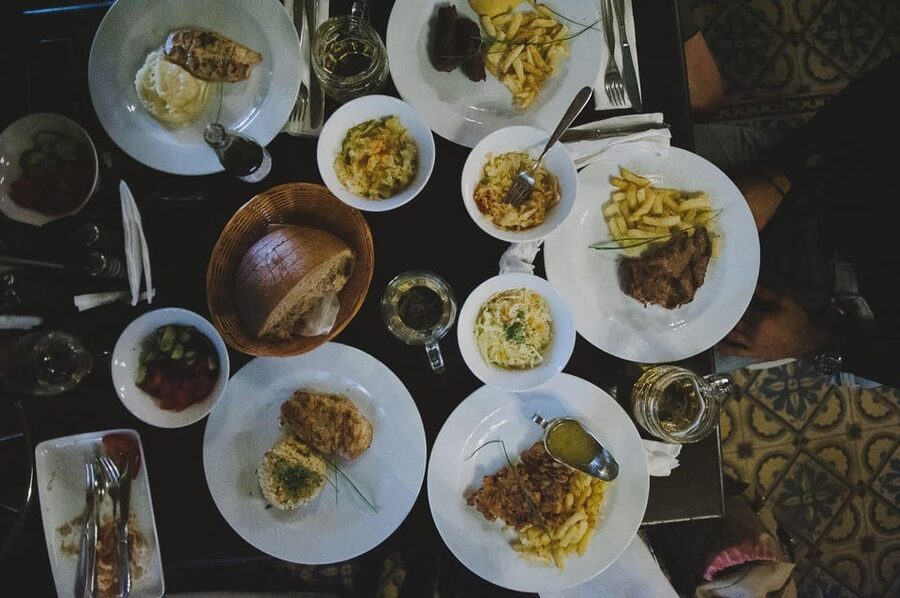
After Revolution Square, you walk along Victory Street, named after Romania’s 1871 War of Independence. This is an important reminder that Romania’s unification process was not an instant switch. Full unification of the three Romanian principalities came later, in 1918, and the guide uses that to explain why regional identities can show up in food and tradition.
As you head south, you pass several inter-war landmarks that explain Bucharest’s in-between years. You might see spots tied to the Telephone Palace, the Military Circle, and the former National Theatre. You’ll also get a stop near the church of Kretzulescu, which is often singled out as one of Bucharest’s best-known churches.
Here’s why this section is more than sightseeing. It sets up a key theme: Romania’s cuisine is not one single style. It’s a patchwork shaped by geography and politics, and the city’s architecture acts like a map of those influences.
Old Town Passageways: Where East Meets West in the Food
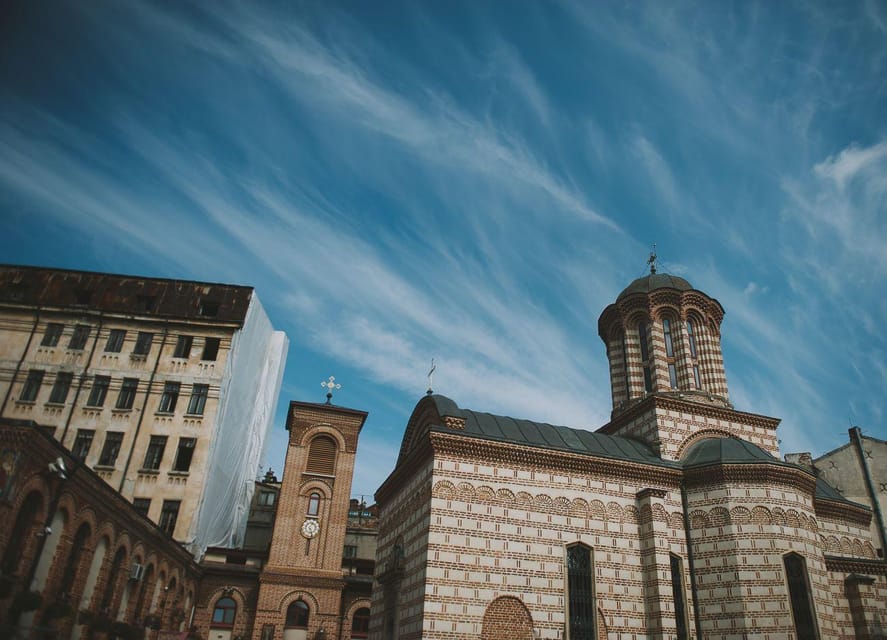
Then comes the Old Town part, and this is where the tour starts feeling like a true food and history walk instead of a museum lecture on streets. The guide leads you through older Bucharest paths and passageways, described as the crossroads between East and West.
This is the zone where you can imagine Ottoman pashas rubbing shoulders with Transylvanian princes, and where religious buildings of different traditions stood near each other. That physical closeness is a big reason Romanian food ended up so adaptable. Flavors, techniques, and even basic meal structures travel when people do.
The tour makes these connections explicit with examples like:
- mici, the Balkan-style skinless sausages
- sarmale, stuffed cabbage leaves linked to Ottoman table traditions
- sour soups like borscht and ciorba styles that reflect Slavic influence
- schnitzel, which points toward Austro-Hungarian culinary presence
You also get a sense of how medieval Bucharest functioned, including the feel of princely courts and the calm you might find near an orthodox monastery. The route also connects you with places associated with old hospitality, including Hanul Lui Manuc, the famous wooden inn.
Practical tip: In Old Town, the streets can be a mix of charming and cramped. If you like photos, ask the guide when to pause, and keep your focus on where you are putting your feet. The best details are often just beside your eye line.
More Food Tours in Bucharest:
- Taste Bucharest: A Food Lover’s Tour of Markets & Neighbourhoods
★ 5.0 · 689 reviews - Street Food’n’Culture Tour
★ 5.0 · 209 reviews - Wine Tasting in Bucharest
★ 5.0 · 183 reviews - Discover Bucharest: Private Highlights and Traditional Food Tour
★ 5.0 · 86 reviews
People’s Palace and the Weight of Ceausescu’s City Plan
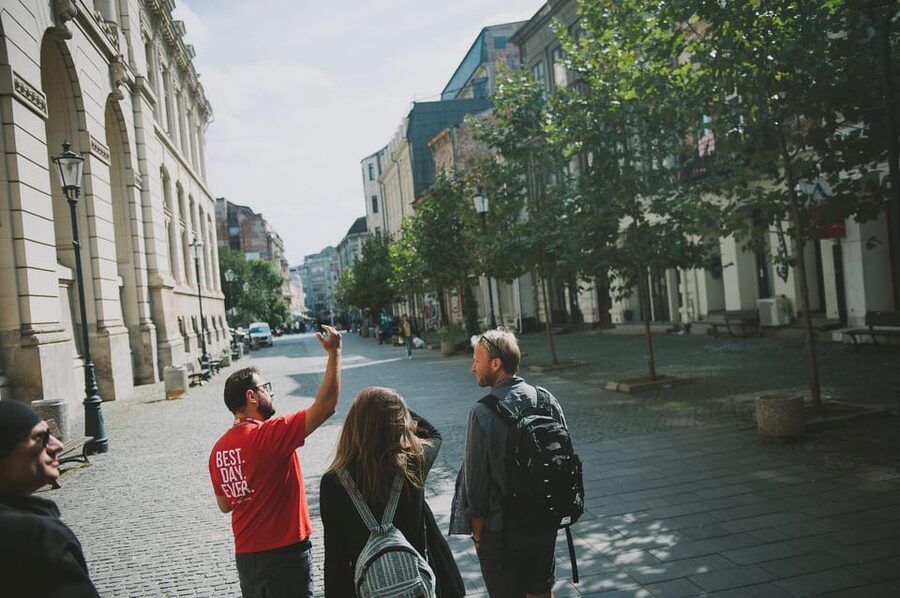
On the way to the final meal stop, you get a look at the People’s Palace, Ceausescu’s attempt to reshape Bucharest. It’s famous for scale, and it helps to have a guide explain what that scale tried to do to daily life.
The key detail here is perspective. You see it not just as a monument, but as a symbol of megalomania, plus a reminder that some political projects leave scars in the built environment for decades. The tour notes that it’s the second largest building in the world, only bigger than the Pentagon.
Even if you already know the headline version of Romania’s late 20th century, this stop gives you a more grounded feeling for how those decisions changed the city’s physical shape.
The Covrig Bite: A Tiny Snack With Big Explanations
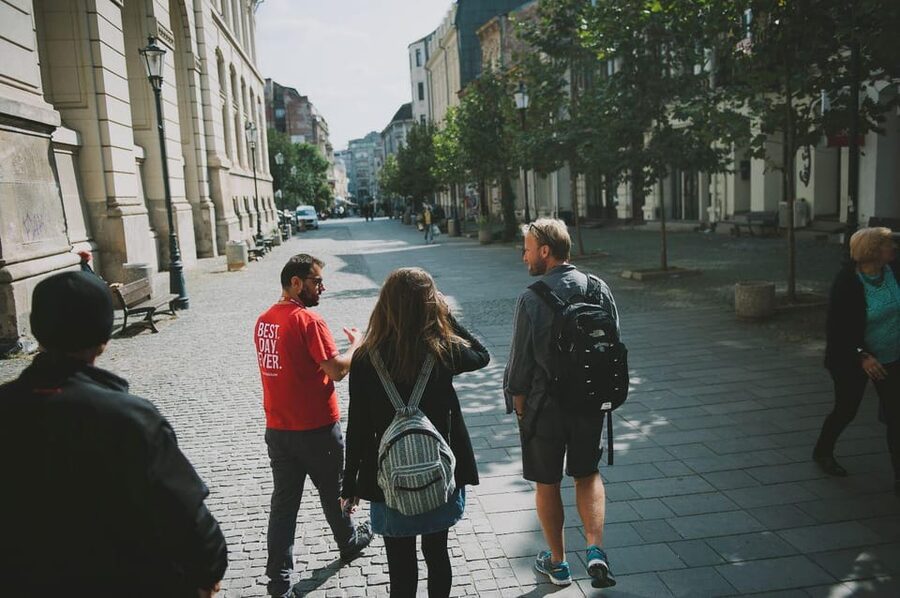
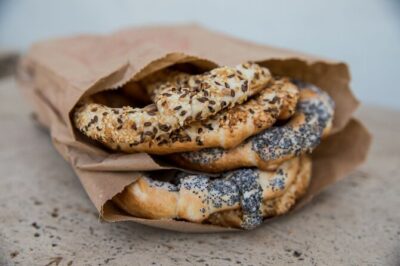
One of the tour’s best teaching moments is surprisingly small: the covrig. This is a daily salty snack for many Romanians, and the guide connects it to medieval trade routes, including the idea that Hapsburg or German merchants helped introduce or popularize it.
Why that matters for you is simple. A covrig is easy to ignore when you see it on a counter, but it’s also a clue about where flavors can come from. It turns a bite-sized moment into a story about movement and exchange.
It also sets expectations. Outside the big sit-down meal, you are not spending the entire tour eating. You’re sampling lightly, so the covrig works best as a starter, not a full food replacement.
A Traditional Hanu Meal That Reads Like a Taste Tour
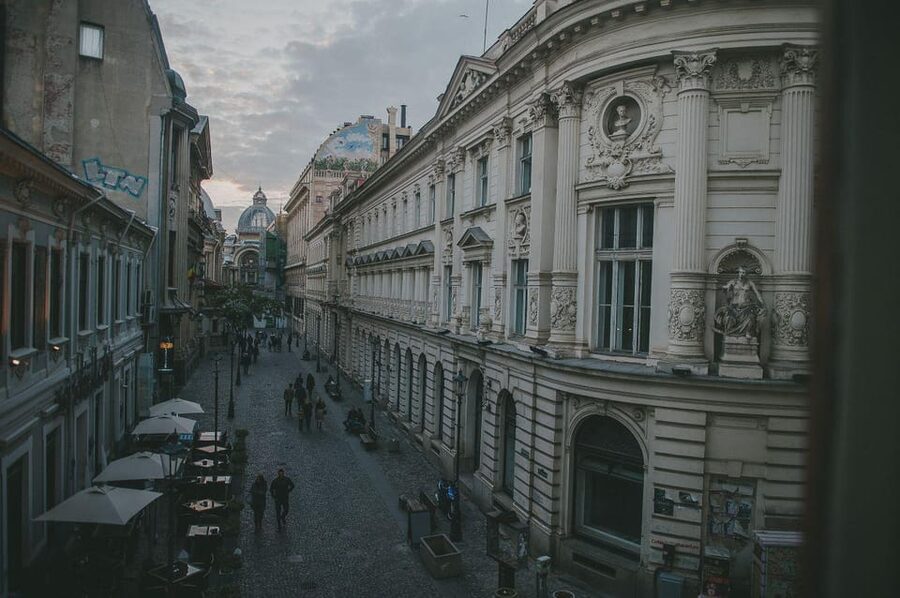
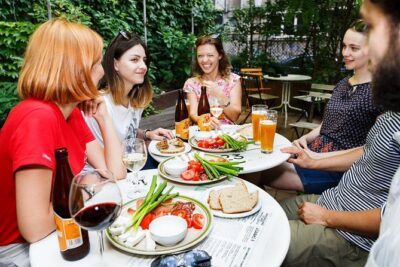
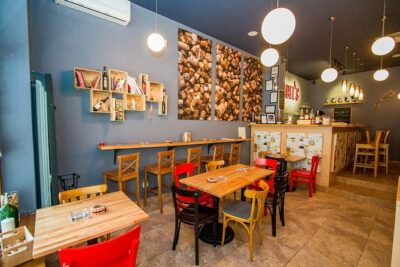
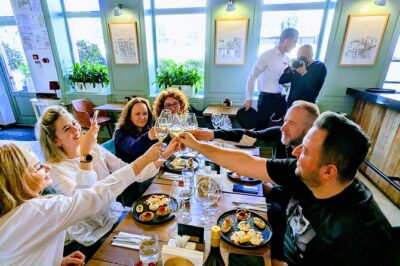
The tour ends at a traditional hanu, an inn-style restaurant widely considered one of the most charming in Bucharest. This is not just where you eat. It’s where the tour’s themes finally land in your hands and stomach.
You’ll enjoy a three-course Romanian meal with platters of local delicacies, plus a house drink. The drink choice is beer or wine (or a soft drink), so you can match your meal to your preferences without extra planning.
What makes this section feel valuable is the structure. The guide helps you connect what you ordered with the region-style logic behind the flavors. You’ll hear how different parts of Romania lean differently, such as sweet being associated with Moldova, earthy with Transylvania, and spicy with Muntenia.
The tour also adds a fun origin story tied to ancient Dacians: when leaders supposedly banned wine production because people drank so much wine, they switched to brewing beer. Whether you take that story literally or as a colorful explanation, the takeaway is that Romanian drinking culture has long roots and local invention.
If you are the type who wants to eat like a local but also understand why the food tastes the way it does, this meal is the part that will feel most worth the money.
Food Quantity, Expectations, and a Quick Reality Check
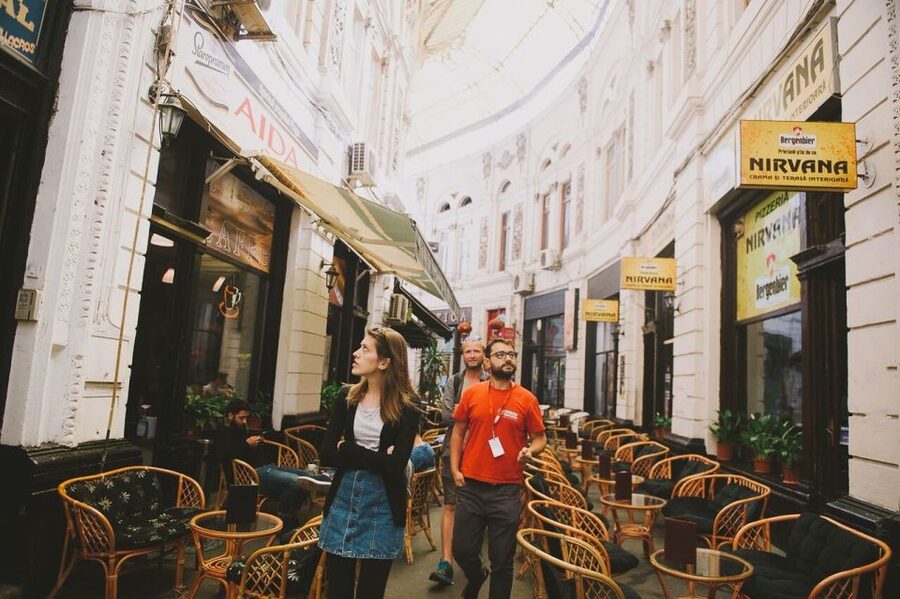
This tour is built as a combined history and food experience. That means there is a balance: you get enough food to understand the story, but the meal itself is the main event.
One consideration is that the earlier part includes the covrig and then you get your full tasting experience at the restaurant. If you expect lots of separate tastings spread across the walk, you might find the number of food stops smaller than some dedicated food tours. The three-course ending is solid, but it is not a street-food buffet marathon.
My practical advice: come hungry enough for a proper sit-down meal. If you snack lightly beforehand, you might miss the satisfaction of the full course rhythm.
Who This Tour Fits Best (And Who Might Want Something Different)

This experience is a strong match for:
- first-time visitors who want a 101 on Bucharest without feeling lost
- people who enjoy history but do not want it to be dry
- families, since guides have been noted for patience and good inclusion with children
- anyone who likes seeing how food connects to migration, empire, and government changes
It may be less ideal if you want:
- constant tasting every 20 minutes
- a strictly food-focused route with many separate bites
- a long, sit-down lecture format instead of walking plus conversation
Guides, Pace, and Why the Human Factor Matters
One of the standout themes in the tour’s reputation is the guide quality. Names like Elaina, Mara, Ioanna, Andra, Monica, Dana, and Andrei show up in the tour’s history of past groups, and the pattern is clear.
Guides are praised for being friendly, patient, and really able to connect architecture and neighborhoods to story. Several accounts specifically highlight how guides handle children well, keeping them engaged and included without turning the tour into a constant reset.
For you, that means this tour is easier to enjoy even if your group has mixed ages or you are dealing with jet lag. You get a more human conversation than a rigid script, and that makes the walking stops feel less like checkboxes.
Price and Value: What $140 Buys You Here
At $140 per person for about 4 hours, you’re paying for three main things:
- a local English-speaking guide
- a private group format
- a three-course traditional meal plus a house drink
When you break it down, the included meal is a big part of the value. You are not just eating at a restaurant, you are getting context for what you ordered, plus the walk that sets you up to understand Bucharest’s layers.
If you compare this to paying separately for a guided city orientation and then a restaurant meal later, the structure starts to look efficient. The tour turns a meal into an experience and turns walking into learning without needing tickets to multiple museums.
Carbon Neutral Touring That Still Feels Real
The tour also markets itself as carbon neutral and run by a B Corp certified company committed to travel as a force for good. You probably do not need a lecture on carbon accounting to care about this.
You just want travel that doesn’t feel like extra guilt. In this case, it mostly shows up as an ethical operating model that you can feel good about while still getting a genuine city experience.
Should You Book This Bucharest History and Food Tour?
Book this if you want a first-day plan that connects the big stories to daily flavors. The Revolution Square start, the Old Town alleyway focus, and the People’s Palace stop give you a route that makes Bucharest’s changes feel understandable, not random. Then the hanu meal finishes the job with a three-course experience and local drink.
Skip it or look for a more food-forward option if you want lots of separate tastings throughout the walk. This one is balanced, with the meal as the main event.
If you are traveling with kids, this is also one of the safer bets because the guides’ patience is a repeated highlight, and the tour is set up as child-friendly.
FAQ
Where is the meeting point for the tour?
The tour meets at the Equestrian Statue of Carol I, Sector 1, Bucharest 030167, Romania.
How long is the private tour?
The tour duration is 4 hours.
Is the tour in English?
Yes, the tour includes a live English-speaking guide.
What food is included?
The tour includes a three-course traditional Romanian meal.
What drinks are included?
You can choose a house beer or wine, or a soft drink, as part of the included meal.
Is this a private group tour?
Yes, this is a private group tour.
Is it child-friendly?
Yes. Children under age 6 can join free of charge, as long as you inform the supplier when booking.
Is the tour carbon neutral?
Yes, it is described as a carbon neutral tour operated by an eco-certified, B Corp certified company.
Recently listed in Bucharest
- Village Museum Bucharest Guided Tour★ 5.0 · 6 reviews
- Wine Tasting and Dinner, including Sommelier★ 5.0 · 3 reviews
- Winery touring & private wine tasting – one day private tour★ 5.0 · 3 reviews
- Bucharest: Dealu Mare Winery Private Trip with Wine Tasting★ 4.9 · 6 reviews
- Transylvania Tour: Dracula’s Castle, Peles Palace & Brasov★ 5.0 · 19 reviews
- Traditions in Bucharest: Village Museum and Wine Tasting★ 5.0 · 8 reviews
- Airport Henri Coanda (Otopeni) to Bucharest – Private Transfer – Driver★ 5.0 · 5 reviews
- Discover Medieval Transylvania Small Group Tour – 7 days★ 5.0 · 4 reviews
Food & Drink, compared.
Taste Bucharest: A Food Lover’s Tour of Markets & Neighbourhoods
Read our review →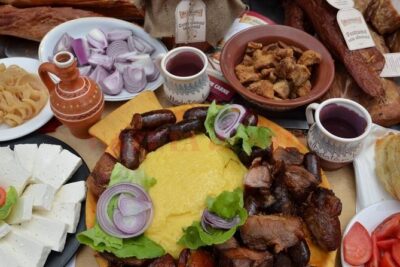
Discover Bucharest: Private Highlights and Traditional Food Tour
Read our review →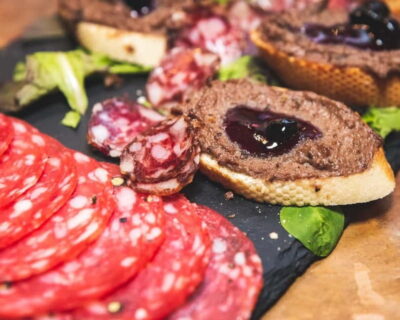
Half-Day Private Food and Wine Walking Tour Oradea Romania
Read our review →
Browse the lists this tour appears in