
REVIEW · WALKING TOURS
Roma Culture, Realities and Slavery History, Walking tour
A walk in Bucharest with real stakes. This 3-hour Roma culture and realities history tour threads together slavery, persecution, and the stories people carry today, all on foot. I love the way your guide separates myth vs truth, and I also like that the route blends big city landmarks with quieter, more revealing stops. The main drawback is that the subject matter is heavy, including human trafficking and genocide, so you should be ready for emotional moments.
You get two things I really value: clear context and careful pacing. Guides like Andreea, Daniela, and Mihail are praised for empathy, candor, and answering tough questions without turning the topic into spectacle. If you choose the optional workshop, you also get a hands-on creative payoff that feels connected to the culture, not tacked on.
One consideration: this is not a casual sightseeing loop. If you are in Bucharest for only a quick highlights day, the historical focus may feel intense, and the tour is built around walking and listening more than casual wandering.
In This Review
- What Makes This Tour Worth Your Time
- Where You Start at Teatrul Ion Creangă and What the First Minutes Set Up
- Who this fits best
- The Old Slave Market Stop: Why the Tour Starts With a Hard Truth
- Passing the Romanian Athenaeum, and the Role of Arts in Perception
- A practical tip for this section
- Secret Stops and Communism-Era Traces: Reading Bucharest Like a Text
- Cișmigiu Park: A Real Reset Between Heavy Topics
- What to do in the park
- Holocaust Memorial Stop: Honoring Roma Victims Without Turning It Into a Checkmark
- Piața Kogălniceanu and Revolution Square Pass-By: How the City’s Power Shifts Show Up in Streets
- The Optional Jewelry Workshop at Mesteshukar ButiQ (MBQ): A Creative Ending That Feels Connected
- What to expect style-wise
- Price, Timing, and Value for a 3-Hour Guided Walk
- What to Bring and How to Make the Most of the Walk
- Should You Book This Roma Culture, Realities, and Slavery History Tour?
- FAQ
- Where does the tour start?
- How long is the walking tour?
- What is the price?
- Is the tour in English?
- What sights and landmarks are included on the route?
- Is there a food break, and is food included?
- What is the optional jewelry workshop?
- What is the cancellation policy?
What Makes This Tour Worth Your Time
- A former slave market site stop that frames how discrimination shaped Roma identity in Romania
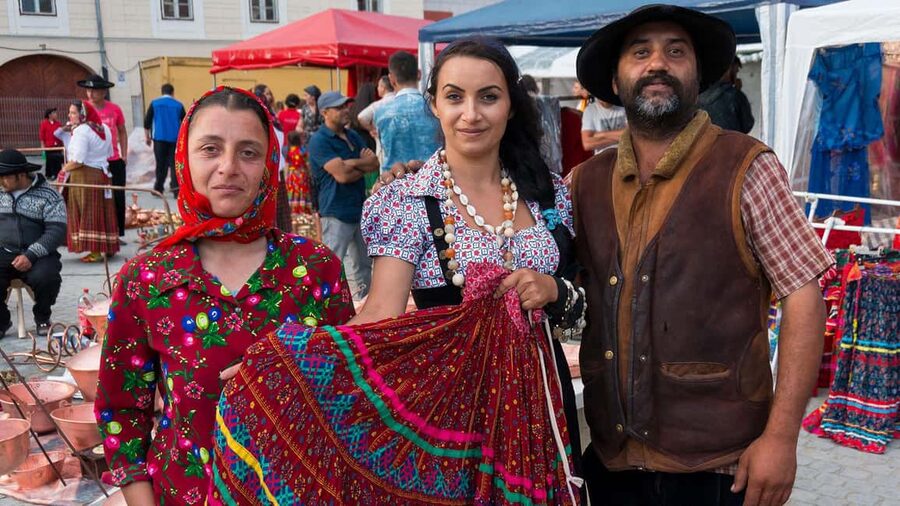
- Myths and truths about Roma culture, traditions, and how stereotypes form
- Iconic Bucharest landmarks like the Romanian Athenaeum paired with difficult history
- Cișmigiu Park with real breaks in the oldest and largest garden setting in the city
- Holocaust memorial time specifically recognizing the Roma victims of persecution and genocide
- Optional jewelry workshop at Mesteshukar ButiQ (MBQ) for a creative, respectful ending
Where You Start at Teatrul Ion Creangă and What the First Minutes Set Up
The tour begins in the small square in front of Teatrul „Ion Creangă” (Sala Mare), about a 3-minute walk from Piata Romana metro. It is a good start point because you can easily get there from the main transit spine, and the theater area puts you right into Bucharest street life fast.
In the opening moments, your guide sets the tone: this is not just a list of dates. It is about how Roma history in Bucharest links to larger Romanian society, and how misconceptions can grow when people only see one side of the story. Many participants mention that guides keep the flow organized, including built-in opportunities to sit or take a breather if you need one.
More History Tours in Bucharest
- Bucharest: Communism and History Guided City Walking Tour
★ 4.9 · 918 reviews - Bucharest: 3-Hour Dark History Tour with a Local
★ 4.9 · 301 reviews - Bucharest: Small Group History, Art & Secrets Tour
★ 4.7 · 152 reviews
Who this fits best
This works best if you want your Bucharest day to mean something. If you like walking tours that teach you how a city really works socially and politically, you will probably love it.
The Old Slave Market Stop: Why the Tour Starts With a Hard Truth
Right after you meet, you head toward the site of a former slave market. This is the kind of stop that makes your brain slow down. It is also the tour’s strongest “why Bucharest matters” moment, because it links place to policy and to lived consequences.
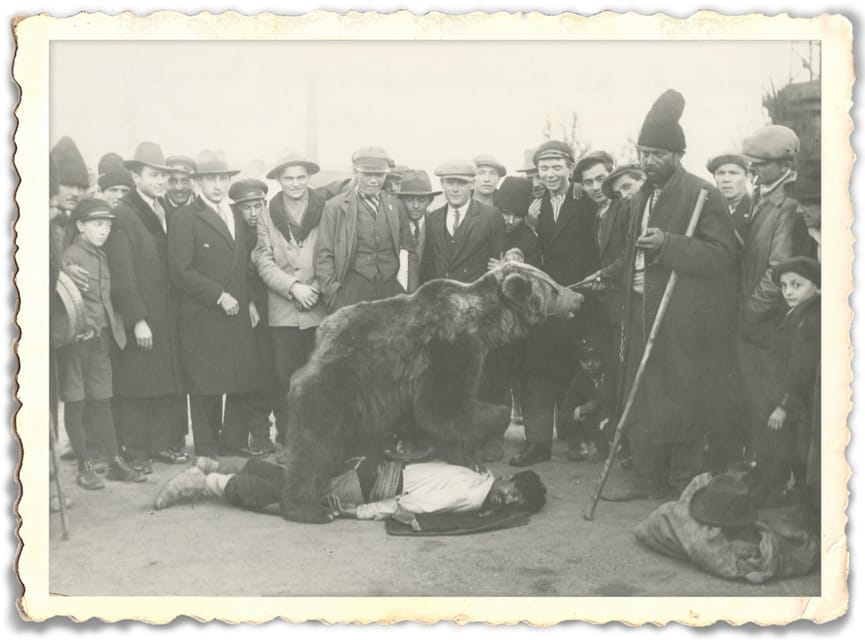
Your guide explains the historical context around trade in human lives and how that legacy continued to shape Roma identity. What I appreciate in how this tour is taught is the balance: it acknowledges the brutality without stripping people down to victimhood alone. Even when the topic is dark, the emphasis stays on understanding, not on shock.
If you are sensitive to grim history, give yourself permission to pause. You might feel the urge to rush through photos. Try not to. This stop is short, but it is one of the clearest ways to grasp why later sections of the tour hit so hard.
Passing the Romanian Athenaeum, and the Role of Arts in Perception
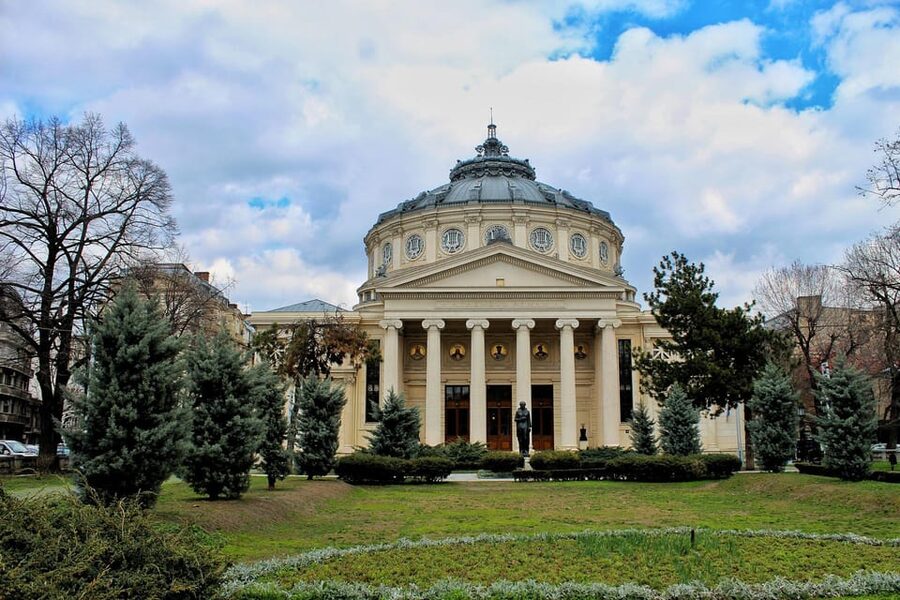
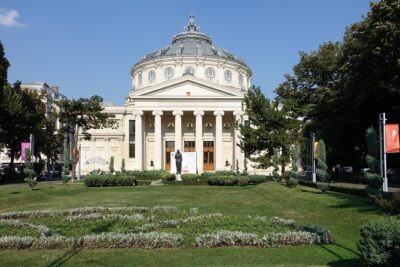
From the slave market stop, you move through central Bucharest and pass the Romanian Athenaeum. It is one of those landmarks you recognize instantly because it is such a powerful symbol of national pride and culture.
Your guide connects the arts to perception, explaining how culture and public image have shaped how Roma people were viewed over time. This part is useful even if you are not a museum person. It gives you a lens: how do the stories a society tells about itself end up shaping how it treats minority groups?
More Walking Tours in Bucharest
- Bucharest: City Highlights Guided Walking Tour
★ 4.9 · 1,482 reviews - Bucharest Highlights Walking Tour
★ 5.0 · 469 reviews - Bucharest: Hidden Markets Walking Tour with Tastings
★ 4.9 · 329 reviews - Bucharest: Ghost Stories & Romanian Mythology Walking Tour
★ 4.9 · 287 reviews
A practical tip for this section
Keep an eye on what your guide points out visually. Even short pass-by sections can be informative when the guide ties architecture and symbolism to the message.
Secret Stops and Communism-Era Traces: Reading Bucharest Like a Text
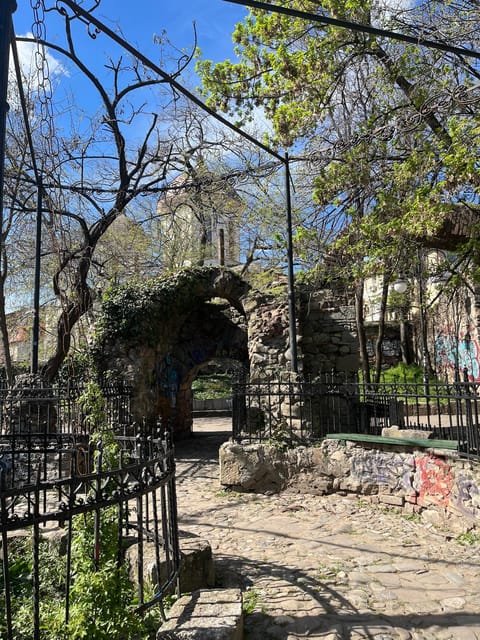
The itinerary includes more than the obvious landmarks. There are “secret stop” segments, which is a polite way of saying your guide takes you off the most predictable tourist path.
During these parts, you learn how to spot traces of Romania’s communist past in everyday city life, and you hear how the Communist regime affected the challenges Roma people faced. The tour also touches on how myths formed and why they persisted, especially when politics and propaganda did the heavy lifting.
One reason this segment gets praised is how guides handle complexity. Several people highlight that the storytelling clarifies what is myth versus what is historically grounded, and that the tone is respectful. You do not just get slogans. You get cause and effect.
Cișmigiu Park: A Real Reset Between Heavy Topics
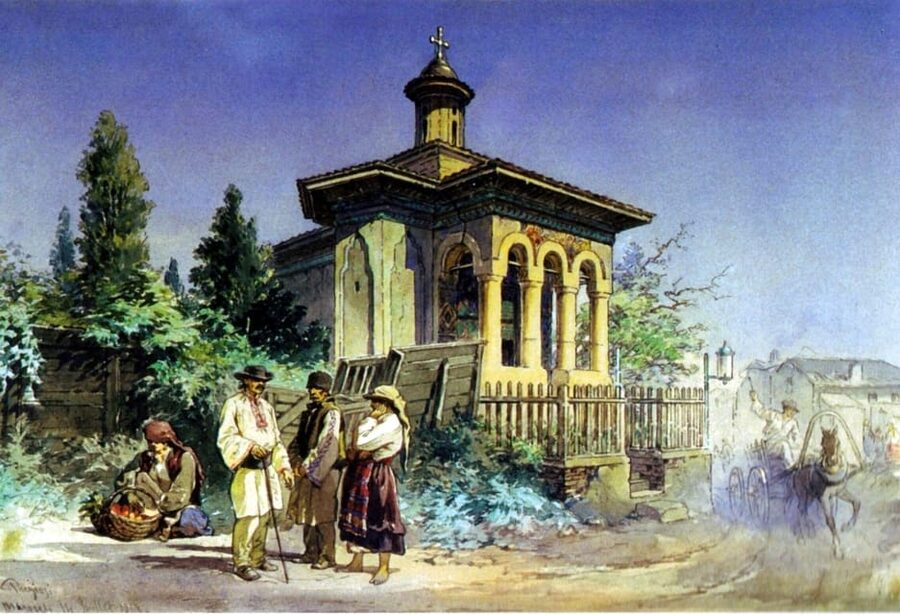
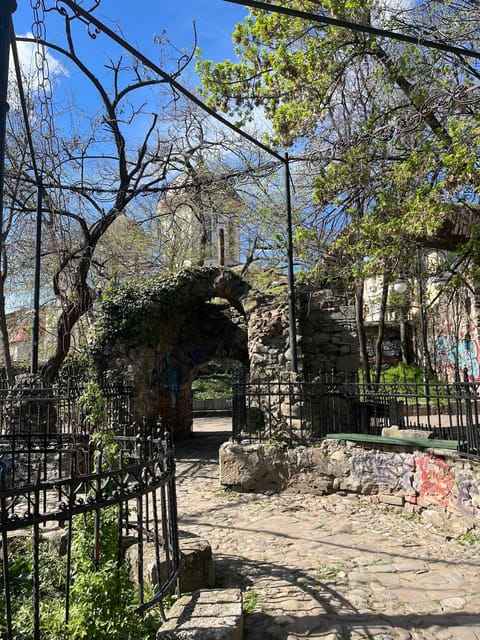
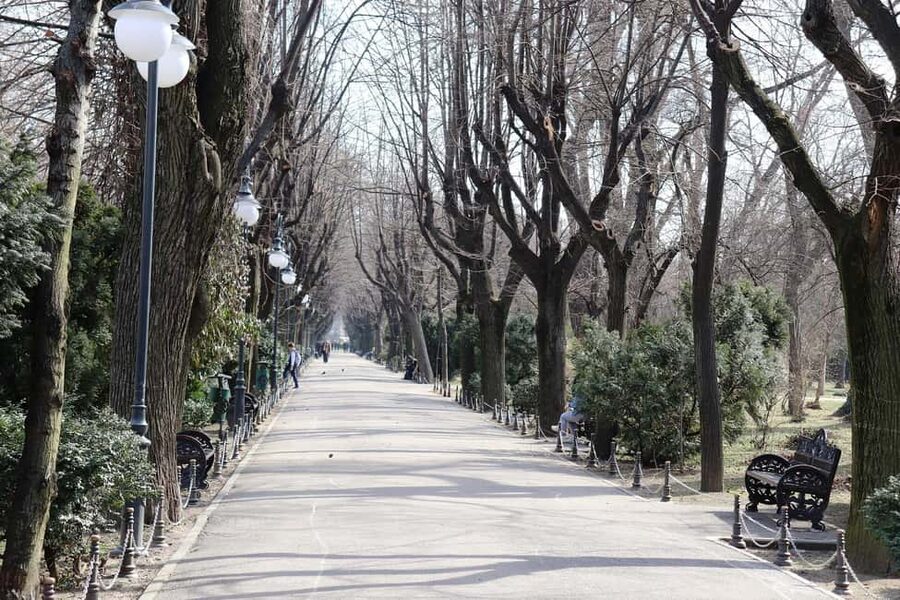
At some point you get a break at a local café, then you walk into Cișmigiu Gardens. This is Bucharest’s oldest and largest garden, and it changes the feel of the tour in a good way. The route slows, the scenery opens up, and you get time to breathe between intense themes.
This stop is not just pretty. Your guide uses the calmer setting to talk about truths and myths around Roma people and traditions. Parks are perfect for this kind of conversation because your brain is not trapped in the tension of street-corner reminders. You can actually absorb what you just learned.
What to do in the park
Take the pause seriously. If you only half-listen because you are watching squirrels or thinking about lunch, you will miss the connection your guide is making between culture, stereotypes, and how everyday life looks.
Holocaust Memorial Stop: Honoring Roma Victims Without Turning It Into a Checkmark
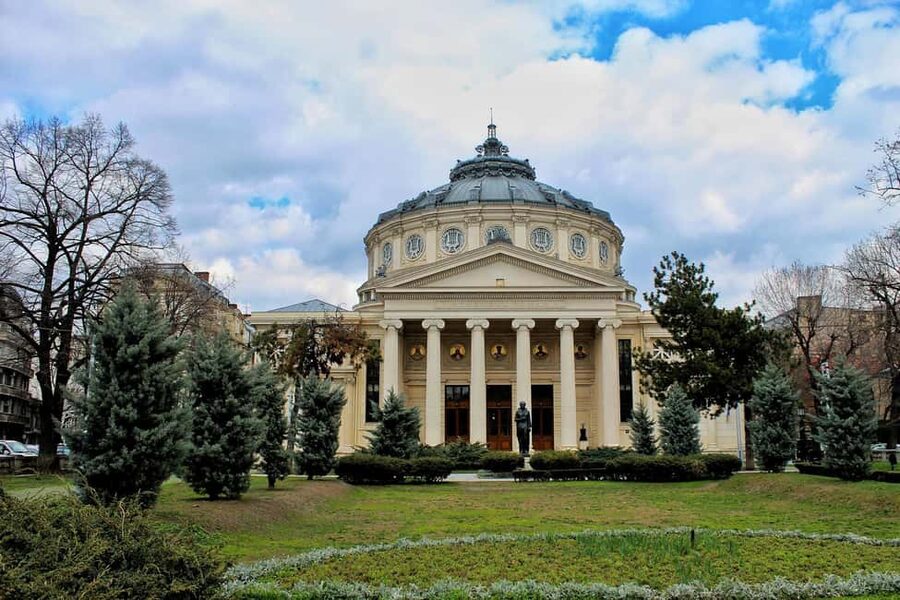
A major moment comes at a Holocaust memorial in Romania. This is a photo stop and a guided segment, and the tour specifically recognizes victims of this dark chapter, including the thousands of Roma lives lost to persecution and genocide.
This matters because many history tours treat Roma suffering as an afterthought. Here, it is part of the main line of the story. Your guide helps you understand why that recognition is essential, not optional.
If you are the type who likes to understand the “why” behind a memorial, you will probably appreciate how the guide ties the stop into the broader arc of discrimination through different regimes.
Piața Kogălniceanu and Revolution Square Pass-By: How the City’s Power Shifts Show Up in Streets
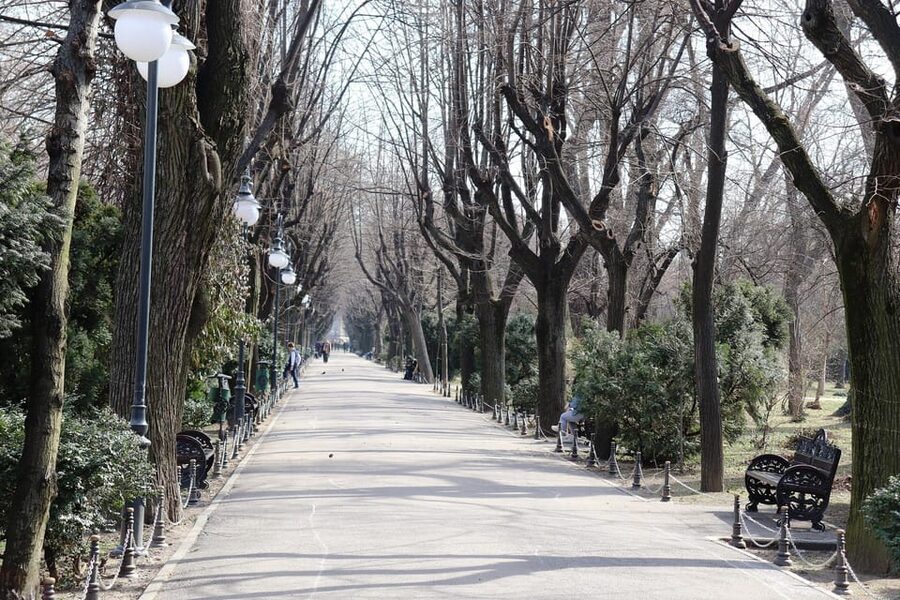
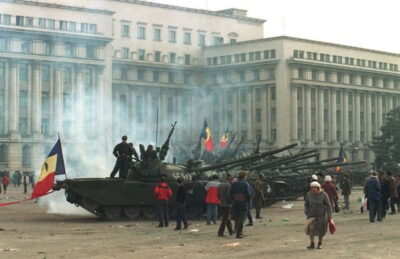
Later on, you pass through areas like Piața Kogălniceanu and Revolution Square. You are not lingering like you would in a museum, but that quick walking context can be valuable.
Your guide uses these points to keep the story anchored in Bucharest’s identity as a city of shifting power. For example, you connect how communism left traces, and you see how public space keeps reflecting the politics of its eras.
It is a smart move because it prevents the tour from becoming stuck only on suffering. You come away understanding that the present is not disconnected from the past. It grew out of it.
The Optional Jewelry Workshop at Mesteshukar ButiQ (MBQ): A Creative Ending That Feels Connected
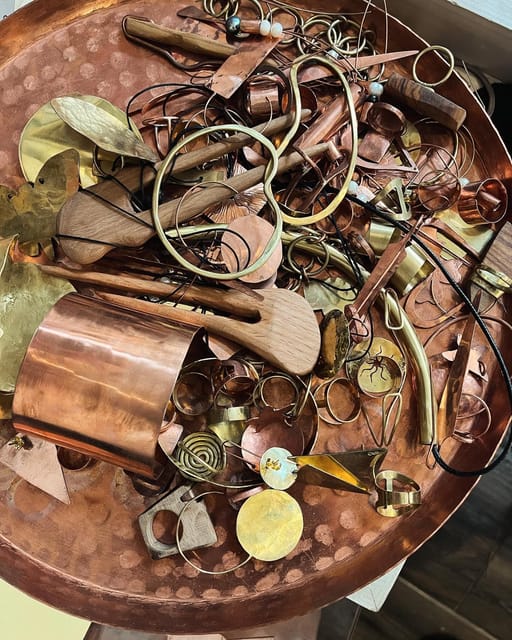
You finish at Mesteshukar ButiQ (MBQ). If you choose the optional add-on, you also get a jewelry workshop with transportation included.
This is not a craft fair. The tour frames it as a traditional workshop with an authentic Roma craftsman, and the activity lets you make your own piece of jewelry. Multiple people mention how fun and rewarding the workshop feels at the end of a history-heavy day, because you get a different kind of engagement: hands, attention, and creativity.
I like this kind of ending because it avoids the common pitfall of ending on trauma and stopping there. You leave with a tangible memory and a sense of living culture.
What to expect style-wise
Be ready to pay attention. Even if you do not feel artsy, you will probably enjoy the process. Also, you will likely spend more time than you expect thinking about symbols and materials once your hands get involved.
Price, Timing, and Value for a 3-Hour Guided Walk
At $30 per person for a 3-hour English guided walking tour, I think the value is strong if you want a serious, focused experience. You are paying for more than route guidance. You are paying for interpretation, especially on topics that most Bucharest tours barely touch.
You also get an optional add-on that can turn the afternoon from purely educational into part hands-on cultural experience. That makes the total value feel more balanced: history plus something you can create and take home.
Timing is another part of the value equation. A 3-hour structure is long enough to build a coherent story, but short enough that you are not stuck all day if you have other plans.
What to Bring and How to Make the Most of the Walk
This is a walking tour, and part of the theme is walking through places where history is visible. For that reason, bring practical basics.
- Comfortable shoes for mixed city streets
- Water, especially if the weather is warm
- A bit of patience for emotional topics and thoughtful pauses
- Cash or card for anything you want during the café break, since food and drinks are not included
One more small strategy: if you want to learn efficiently, ask a question or two early. Guides are praised for handling questions well, including clarifying myths and answering with empathy and humor when appropriate.
Should You Book This Roma Culture, Realities, and Slavery History Tour?
Book it if you want Bucharest with context. This is ideal for travelers who like walking tours that teach you how people, policies, and public memory connect, and who want a guide to help separate myth from historical reality. It is especially worth it if you care about understanding how Roma communities have been treated in Romania, including slavery history, persecution during the Holocaust, and the effects of communism.
Skip it if your goal is only classic postcard Bucharest in one morning or if you feel uncomfortable with difficult history. Also, if you strongly prefer interaction with Roma community members directly, know that this tour is primarily guide-led with site-based learning, plus an optional workshop at MBQ.
If you want a day that changes how you see the city, this one has the focus to do it. And if you add the jewelry workshop, you end with something you made, not just something you watched.
FAQ
Where does the tour start?
It starts at Teatrul „Ion Creangă” – Sala Mare. The meeting point is in the small square in front of the theater, about a 3-minute walk from Piata Romana metro station.
How long is the walking tour?
The duration is 3 hours.
What is the price?
The price is $30 per person.
Is the tour in English?
Yes, the live tour guide provides the experience in English.
What sights and landmarks are included on the route?
You pass or visit key Bucharest landmarks including the Romanian Athenaeum, Cișmigiu Park, a Holocaust memorial in Romania, and you also pass areas like Piața Kogălniceanu and Revolution Square. The tour also includes a stop at the site of a former slave market.
Is there a food break, and is food included?
There is a break time at a local café (15 minutes). Food and drinks are not included.
What is the optional jewelry workshop?
You can add a jewelry workshop during the tour. You craft your own piece of jewelry with an authentic Roma craftsman in a traditional workshop. Jewelry workshop and transportation are included if you select the option.
What is the cancellation policy?
You can cancel up to 24 hours in advance for a full refund.
Recently listed in Bucharest
- Wine Tasting and Dinner, including Sommelier★ 5.0 · 3 reviews
- Winery touring & private wine tasting – one day private tour★ 5.0 · 3 reviews
- Village Museum Bucharest Guided Tour★ 5.0 · 6 reviews
- Bucharest: Dealu Mare Winery Private Trip with Wine Tasting★ 4.9 · 6 reviews
- Transylvania Tour: Dracula’s Castle, Peles Palace & Brasov★ 5.0 · 19 reviews
- Traditions in Bucharest: Village Museum and Wine Tasting★ 5.0 · 8 reviews
- Airport Henri Coanda (Otopeni) to Bucharest – Private Transfer – Driver★ 5.0 · 5 reviews
- Discover Medieval Transylvania Small Group Tour – 7 days★ 5.0 · 4 reviews
Walking Tours, compared.

Ghost Stories & Romanian Mythology Walking Tour
Read our review →
Browse the lists this tour appears in