
REVIEW · PAINTED MONASTERY TOURS
Transylvania & Bucovina Private Tour – 6 days
Six days can feel like two different countries, in the best way. This private tour threads classic Transylvania stops like Bran and Peles into Bucovina’s UNESCO painted monasteries, with a real guide who connects castles, churches, and local life instead of tossing facts at you. I like that the trip is set up with transportation and lodging done for you, so you can spend your energy on the sights.
Two big wins for me are the pacing and the guiding. The experience is built around a professional guide (Gabriel gets specific praise for sharing Romanian history, culture, and even language in a way that actually sticks), and you get the freedom to ask questions as you go. The main drawback to consider is the amount of driving and early starts, plus some uphill walking at fortresses and old-town areas, so it helps to have solid shoes and moderate physical comfort.
In This Review
- Key highlights you will feel right away
- Private comfort from Bucharest, then straight into Romania’s story
- Day 1: Sinaia monastery, Peles Castle, and Brasov’s fortress-town walk
- Day 2: Bran Castle and Rasnov Fortress, then Sibiu’s heritage core
- Day 3: Biertan fortified church and UNESCO Sighisoara, medieval town inside a town
- Day 4: Red Lake and Bicaz Gorges, then Voronet in Bucovina’s painted-church world
- Day 5: Voronet, Humor, Sucevita, plus Marginea pottery and Moldovita
- Day 6: Neamt Monastery and Fortress, then back to Bucharest
- Price and value: what you pay for, and what you save
- Practical notes that make the trip smoother
- Should you book this Transylvania and Bucovina private tour?
- FAQ
- What is the tour duration and start time?
- Where does the tour begin and end?
- Is pickup and drop-off included?
- What is included in the price?
- Are entrance fees and meals included?
- What UNESCO sites does the tour include?
- What kind of fitness level do I need?
Key highlights you will feel right away
- Private flow, not a cattle-car schedule, with pickup and drop-off from your Bucharest hotel
- UNESCO at full value, including the painted churches of Bucovina and major Transylvanian heritage towns
- Day trips that make sense, from Bran and Rasnov through Sighisoara, to Red Lake and Bicaz Gorges
- Comfort covered, five nights in 3- or 4-star hotels with breakfast included
- Less obvious culture stops, like Marginea black pottery workshops and fortified church life around villages
- A guide who talks details, with a style that makes history feel personal, not like a lecture
Private comfort from Bucharest, then straight into Romania’s story
This is the kind of Romanian trip that works when you want more than postcards, but you do not want to plan every turn. You get hotel pickup and drop-off, you travel in round trip transportation, and your five nights are already placed in 3- and 4-star hotels. That matters because Romania’s best sights are spread out, and good timing is the difference between calm photos and rushing at the wrong moments.
The tour is also set up for one group only, so your day does not get disrupted by other people’s decisions. Start time is listed as 7:30 am, which means mornings move fast, but you usually benefit from cooler air and earlier light. If you hate logistics and want a clear route with room for questions, this format fits.
One more practical point: entrance fees and photo fees are not included, and lunch and dinner are on you. You should plan a realistic daily budget for tickets, food, and any extras your guide recommends.
More Transylvania Tours in Bucharest
- Transylvania and Dracula Castle Full Day Tour from Bucharest
★ 4.5 · 1,589 reviews - Castles of Transylvania: Private Day Trip from Bucharest
★ 4.5 · 248 reviews - 2-Day Medieval Transylvania with Brasov,Sibiu and Sighisoara Tour from Bucharest
★ 4.5 · 145 reviews
Day 1: Sinaia monastery, Peles Castle, and Brasov’s fortress-town walk
Your first day swings from Bucharest into the Transylvania orbit, starting with a stop at the Sinaia Orthodox Monastery. Even if you only pause briefly, it gives you a quick sense of Romania’s religious architecture and the role monasteries have played in culture and history.
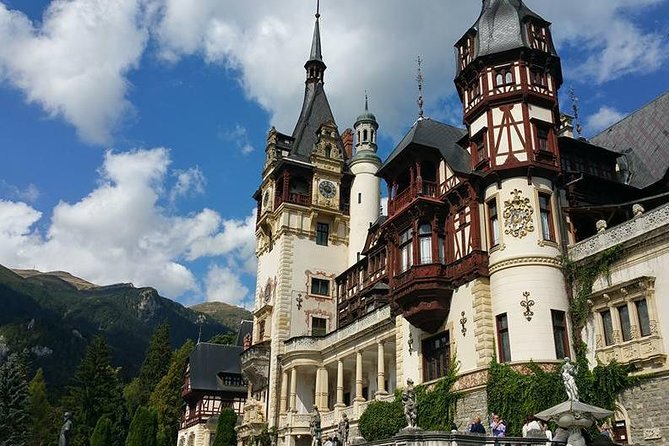
Then comes Peles Castle, one of the reasons many people build a Romania trip in the first place. It is a royal-style destination, and what makes it worth the effort is how quickly it frames the region’s history as more than Dracula fantasy. You see how art, politics, and European influences shaped what elites built, and your guide can connect those threads to later stops.
After that, you head to Brasov for a guided walking tour that focuses on the city’s layered fortifications and distinctive landmarks. You will get Black Church, the Citadel of Brasov, and the look of the old defenses around town, including Ecaterina’s Gate, White Tower, Black Tower, and the bastions like The Blacksmiths Bastion, The Weavers Bastion, The Ropemakers Bastion, and The Drapers Bastion. This is one of those city walks where the details matter. The bastions are not random names, they tell you how trades and communities shaped the city’s protection and growth.
A small consideration for day one: walking inside an old fortified layout often means stairs and uneven surfaces. If you have knee issues, tell your guide early so you can pace smartly.
Day 2: Bran Castle and Rasnov Fortress, then Sibiu’s heritage core
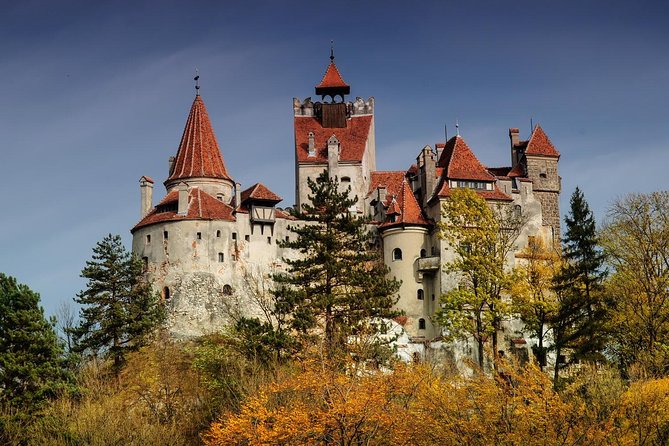
Day two is the classic Dracula day, but it is also more grounded than you might expect. First up is Bran Castle, often called Dracula’s Castle. It can be busy in peak seasons, but in a private tour you have more control over pacing and time inside. The payoff is in the context: your guide can separate legend from what the castle represents historically and visually.
Next, you visit Rasnov Fortress, where the setting changes the feel immediately. Fortresses sit above the land like they are meant to control the view, and Rasnov is especially useful because it shows how protection worked in practice, not just in stories. It also helps break up the day after Bran with a different kind of atmosphere, more rugged and less stage-like.
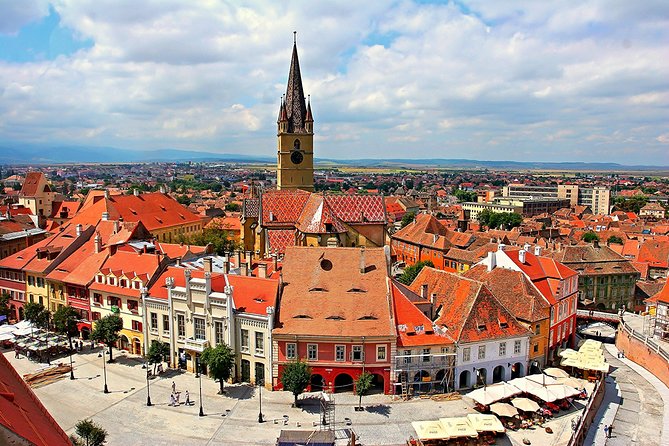
Then you continue to Sibiu for the evening and its guided highlights. Sibiu is one of Romania’s most satisfying heritage towns, and the tour hits the essentials. You will see the Evangelical Church, the Holy Trinity Orthodox Cathedral, and the Bridge of Lies. You also get a tour through the Historical Center, plus passageways and towers like The Stairs Passage and the city’s bastion look.
You end in an area where you can keep exploring on your own too, which is a big quality-of-life win on trips like this. If you like atmosphere and you want the city to reward extra time, Sibiu gives you that chance.
Day 3: Biertan fortified church and UNESCO Sighisoara, medieval town inside a town
Day three is when the trip shifts from big-ticket stops to UNESCO rhythm. You start with Biertan Fortified Church, a UNESCO site, and that matters because fortified churches show a different side of defense and daily life. These churches were not only religious centers, they were also part of the community’s survival plan. Even if you focus on the walls and layout, you get a clearer sense of how people lived when the region faced risk.
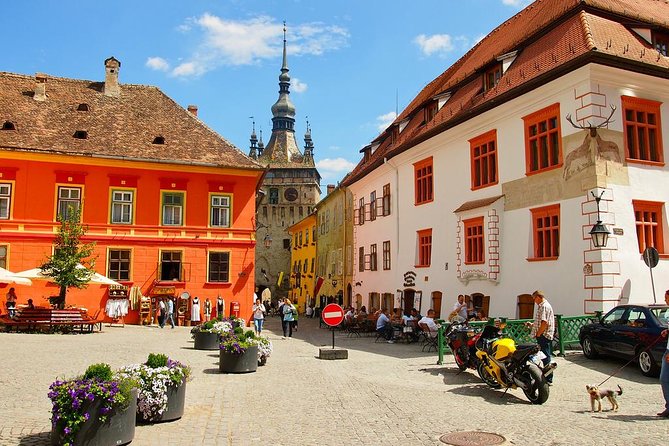
After Biertan, you head to Sighisoara, another UNESCO highlight. The tour walk includes The Clock Tower and History Museum, The Church on the Hill, and House of Dracula. The best part here is that you are walking a medieval core, not hopping from one photo stop to the next. You also see The pupils roofed stairways (a distinctive feature of the town’s old passages) and the German cemetery, which adds a thoughtful layer to the story of the community.
Sighisoara rewards slower walking. You climb, you turn corners, you see details that would get missed if you were only doing a quick sightseeing loop. If you are tired after two fortress days, this is where your guide’s timing really matters, because you can pace and still feel like you covered the major sites.
More painted monastery trips:
- Bucovina Painted Monasteries & Transylvania Tour: 4-Day Private
★ 5.0 · 6 reviews - 11-Day Romania Tour from Bucharest with Transylvania & Bucovina
★ 5.0 · 6 reviews - Bucovina Painted Monasteries Day Tour
★ 5.0 · 83 reviews - 1-Day Bucovina Painted Monasteries tour from Suceava – English
★ 5.0 · 33 reviews
Day 4: Red Lake and Bicaz Gorges, then Voronet in Bucovina’s painted-church world
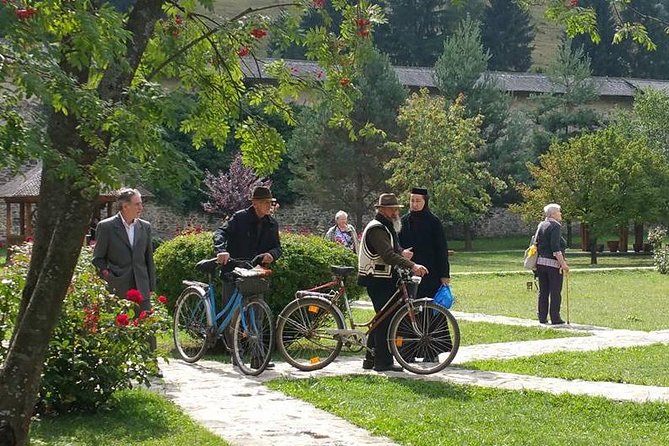
This is the day that changes your scenery and mood. You travel from Transylvania toward Bucovina, and you break the road trip with two of Romania’s most striking natural stops.
First is Red Lake. The tour describes it as a natural storage dam lake and notes it is the largest natural mountain lake in Romania. You do not need a deep ecology background to appreciate it. It is one of those places where the color and setting make you stop talking and just look.
Then comes Bicaz Gorges, which the itinerary frames as one of Romania’s most spectacular drives. The road slices through limestone cliffs, twists and turns uphill for about three miles, and cuts through sheer 1,000-foot cliffs. Even if you only view the gorges from pull-off points, the scale lands fast.
After all that road and viewpoint energy, you arrive in Bucovina and settle into Voronet for your accommodation. This matters because the painted churches are easier to appreciate when you are not rushing from stop to stop. You are placed nearby, so the rest of the week feels like a focused theme.
Day 5: Voronet, Humor, Sucevita, plus Marginea pottery and Moldovita
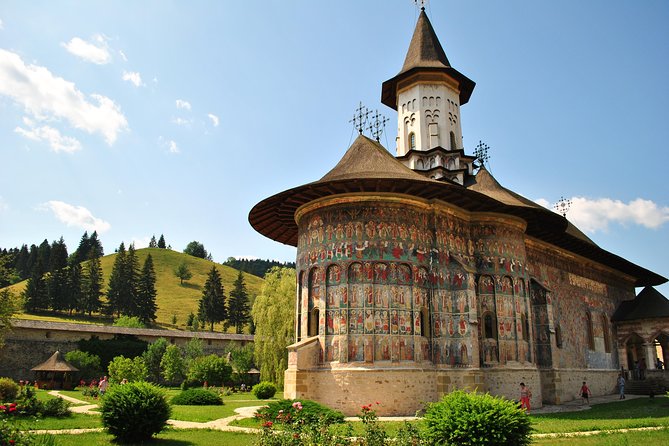
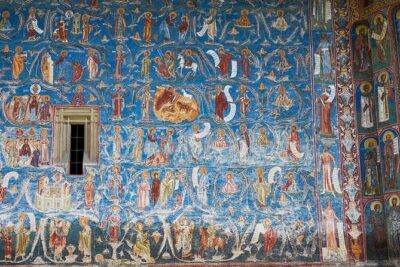
Day five is the big UNESCO painted-church day, and it is worth treating it like an art and culture block, not a checklist. Your first stop is Voronet Monastery (UNESCO). Then you move to Painted Eggs Museum. That sounds playful, but it also fits the broader theme: Romania has folk traditions that run alongside religious art, and the museum helps tie everyday creativity to what you see on church walls.
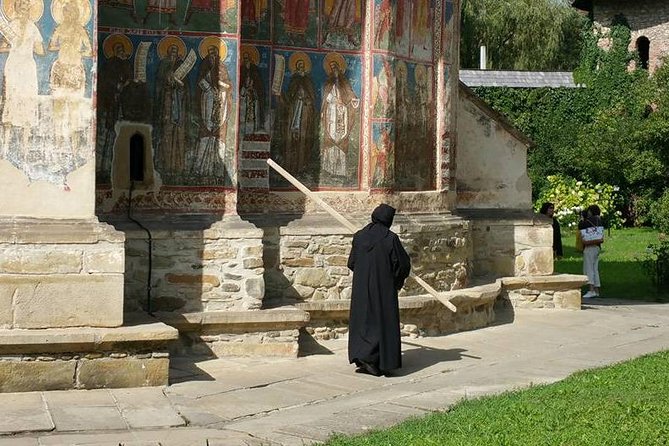
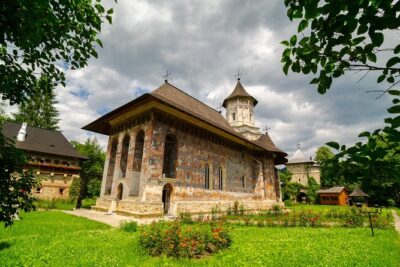
Next you visit Humor Monastery (UNESCO), and then Sucevita Monastery (UNESCO). These three painted church stops are the core reason many people choose Bucovina. The real value is that the tour is paced so you can actually look at the artwork and understand how it fits into religious teaching and regional identity.
After the monasteries, you stop for lunch, then head to Marginea village to see the black pottery workshops. This is one of those choices that makes the experience feel more lived-in. Instead of staying in only monumental sights, you see a craft tradition connected to the region. Even a short visit helps you broaden your idea of what “Romania” means beyond castles.
You finish at Moldovita Monastery (UNESCO) and return to accommodation in Voronet. By this point, the day can feel full, but the churches are close enough in concept that the repetition does not feel like waste. You start noticing differences, not just similarities.
Day 6: Neamt Monastery and Fortress, then back to Bucharest

Your final day brings you back toward Bucharest, with stops that round out the theme of faith and defense. First is Neamt Monastery. The itinerary notes it was founded in the 12th century and is one of Romania’s oldest and most important religious settlements. It is also described as fortress-like, with high walls and a defense tower, tucked at the foot of the Ceahlau Mountains near old forests. Even without getting lost in dates, the setting helps you feel why monasteries were sometimes built like strongholds.
Then you go to Neamt Fortress in Targu Neamt, perched above the town for almost six centuries. It is framed as vital in defending the region against predatory raids. This kind of site closes the loop from the earlier fortress days by reminding you that Transylvania and Bucovina share a defensive past, even if the architecture and stories differ.
After that, you transfer back to Bucharest and drop off at your hotel. This is a good finish because it keeps your travel day from stretching into chaos. You end with a clear arrival point rather than an uncertain hand-off.
Price and value: what you pay for, and what you save
At about $1,419.55 per person for six days, you are paying for two main things: planning and transportation. Since hotels and breakfast are included for five nights, and you get pickup and drop-off, you save the time and stress that usually come with stitching together distant regions. The value gets stronger if you are traveling as a pair or small group and you would otherwise be renting a car, paying for separate guides, and figuring out route timing between cities.
You also pay for a professional guide who can connect stops into one narrative. That connection is not just trivia. It changes how you look at places like Bran and Peles, and it helps you understand why painted church art in Bucovina matters beyond its beauty.
The other side of value is cost you might still face. Entrance and photo fees are not included. Lunch and dinner are not included. If you love museums and want photos everywhere, your total trip cost will rise. Still, knowing what is included up front helps you plan without surprises.
Also note the tour offers group discounts, though it is private for your group. If you are traveling with friends, it can be worth checking whether those discounts apply to your booking setup.
Practical notes that make the trip smoother
A few practical points from the way this tour is structured can help you avoid friction.
First, start time is 7:30 am, so build your evenings around a calm dinner and early rest. Romania can have a few meal options, but your best strategy is to let the guide handle the flow and use your time wisely after the long days.
Second, expect moderate physical fitness requirements. That usually means uneven stone streets, some stairs, and walking inside fortified complexes and historic centers. Bring comfortable shoes you can trust. If you want your photos without constant stopping, choose footwear with grip.
Third, pack for changing scenery. You go from city blocks in Brasov and Sibiu to mountain gorges and lakes. Even in warmer months, Bucovina and mountain drives can feel cooler. A light layer helps.
Fourth, you will want cash or card for lunches, dinners, and entry fees. Since entrance fees are not included, plan for that budget so you do not feel nickel-and-dimed mid-day.
Finally, the tour offers mobile ticket and confirmation is provided at booking. That reduces the hassle of day-of paperwork.
Should you book this Transylvania and Bucovina private tour?
I think you should book this if you want a focused Romania trip without the headache of planning routes, hotel stops, and multi-day logistics across regions. It is especially strong if you care about UNESCO sites and you like having a guide explain what you are seeing while you walk. The combination of Transylvania classics plus Bucovina’s painted monasteries gives you a complete picture in a single week.
You should pause and reconsider if you dislike long driving days, early starts, or you struggle with walking at old fortress sites. Also, if your priority is doing everything on your own time, this schedule will feel structured, because it is built to move efficiently.
If you want the short version, here it is: this is a smart choice for travelers who want comfort, UNESCO, and context, without spending your vacation hunting maps. If you fit that, you will likely love how the story comes together from Bucharest all the way to Voronet and back.
FAQ
What is the tour duration and start time?
The tour is about 6 days, and it starts at 7:30 am.
Where does the tour begin and end?
It begins in Bucharest, Romania, and ends with drop-off at your hotel in Bucharest.
Is pickup and drop-off included?
Yes, hotel pickup and drop-off in Bucharest are included.
What is included in the price?
Included items are a professional guide, 5 nights in 3- and 4-star hotels, breakfast, fuel surcharge, and transportation with the round trip transfers.
Are entrance fees and meals included?
No. Entrance fees and photo fees are not included, and lunch and dinner are also not included.
What UNESCO sites does the tour include?
The tour includes multiple UNESCO sites, including the painted monasteries of Bucovina (Voronet, Humor, Sucevita, and Moldovita) and fortified church and heritage sites in Transylvania such as Biertan and Sighisoara.
What kind of fitness level do I need?
The tour asks for a moderate physical fitness level, since you will do walking in old towns and at fortress-like sites.
Recently listed in Bucharest
- Village Museum Bucharest Guided Tour★ 5.0 · 6 reviews
- Wine Tasting and Dinner, including Sommelier★ 5.0 · 3 reviews
- Winery touring & private wine tasting – one day private tour★ 5.0 · 3 reviews
- Bucharest: Dealu Mare Winery Private Trip with Wine Tasting★ 4.9 · 6 reviews
- Traditions in Bucharest: Village Museum and Wine Tasting★ 5.0 · 8 reviews
- Transylvania Tour: Dracula’s Castle, Peles Palace & Brasov★ 5.0 · 19 reviews
- Airport Henri Coanda (Otopeni) to Bucharest – Private Transfer – Driver★ 5.0 · 5 reviews
- Discover Medieval Transylvania Small Group Tour – 7 days★ 5.0 · 4 reviews
Painted Monastery Tours, compared.
1-Day Bucovina Painted Monasteries tour from Suceava – English
Read our review →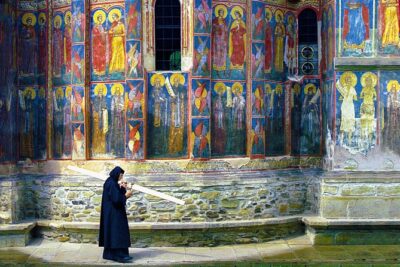
Day trip from Iasi to the UNESCO Painted Monasteries in Bucovina
Read our review →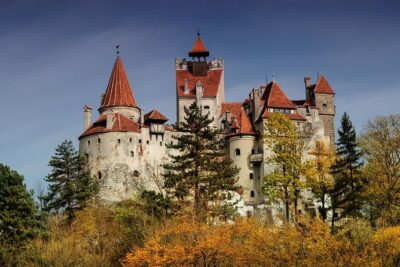
11-Day Romania Tour from Bucharest with Transylvania & Bucovina
Read our review →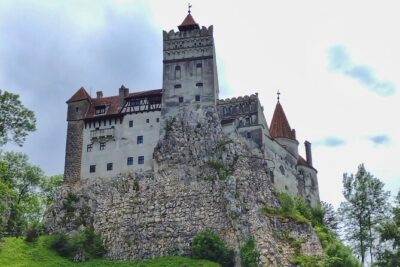
Bucovina Painted Monasteries & Transylvania Tour: 4-Day Private
Read our review →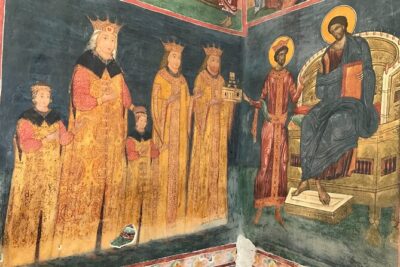
Two days tour to Bucovina & UNESCO Painted Monasteries
Read our review →Browse the lists this tour appears in