
REVIEW · WALKING TOURS
The Jewish heritage of Bucharest – half day walking tour
Jewish Bucharest has a pulse. This half-day walk links what you can still see in the old Jewish quarter with the bigger story of Holocaust history and the Jewish community under Romania’s Communist era. I especially liked the way the route keeps moving from street level to real institutions, and I also appreciated how the guide, Razvan Trancu, brings the details to life with practical context and humor. One drawback to plan for: key sites can be closed on major Jewish holidays and schedules can shift in hot weather or due to security concerns.
You’ll cover a tight set of stops in about 3 hours, with a small group size capped at 7. It ends at the Holocaust Memorial, so the tour doesn’t just inform, it gives you a place to stop and absorb what you learned. If you only want a lighter, purely architectural stroll, this route may feel emotionally weighty in the second half.
In This Review
- Key highlights worth putting on your map
- Jewish Bucharest in 3 hours: what makes this walk work
- From Starbucks into the old Jewish quarter’s narrow streets
- Jewish Museum Bucharest: seeing history inside an ex-temple
- Great Synagogue: the Romanian Holocaust story in a major landmark
- Teatrul Evreiesc de Stat: Jewish cultural life beyond worship
- Coral Temple: Neo-Mudejar beauty, restoration, and 150+ years
- Passing Laude-Reut and Jerusalem Lion Square: reading the city’s memory
- Avraham Kosher break: snacks and a pause that matters
- Ending at the Holocaust Memorial: why that final stop hits
- Price and value: what $318 means for a small group
- Timing, closures, and hot-weather schedule reality
- Who this walking tour is best for
- Should you book this Jewish heritage tour?
- FAQ
- How long is the Bucharest Jewish heritage walking tour?
- Where do we meet for the tour?
- What group size is this tour?
- What languages is the guide speaking?
- Is the tour wheelchair accessible?
- What’s included in the price?
- Are entrance fees included?
- What should I bring?
- What are the opening hours for synagogues and temples when they are open?
- Are any major sites closed on holidays or certain days?
- Can I cancel and get a full refund?
Key highlights worth putting on your map
- Narrow old streets beside Communist-era apartment blocks show how the city changed around the Jewish quarter
- Jewish Museum Bucharest is housed in a former temple, so the setting matters
- Great Synagogue and Romanian Holocaust connections connect the past to specific places
- Teatrul Evreiesc de Stat and Jewish cultural life beyond worship and monuments
- Coral Temple (Neo-Mudejar, restored) with 150+ years of history you can actually admire
- Holocaust Memorial in Bucharest closes the tour at a meaningful point of reflection
Jewish Bucharest in 3 hours: what makes this walk work
Bucharest can feel like a city of layers. You’ll see it here in the most literal way, walking through lanes where traces of Jewish life remain, while surrounding buildings reflect later Communist planning. That contrast is the point. It helps you understand how a community can be broken, displaced, and then remembered, imperfectly, in brick and street alignments.
This tour also keeps the story balanced. You’re not only looking at surviving architecture. You’re pairing what you see with the human timeline, from a flourishing Jewish community before World War II to later chapters under Communist rule. And you finish at the Holocaust Memorial, which turns your last steps into a quiet, grounded moment rather than a quick photo stop.
More History Tours in Bucharest
- Bucharest: Communism and History Guided City Walking Tour
★ 4.9 · 918 reviews - Bucharest: 3-Hour Dark History Tour with a Local
★ 4.9 · 301 reviews - Bucharest: Small Group History, Art & Secrets Tour
★ 4.7 · 152 reviews
From Starbucks into the old Jewish quarter’s narrow streets
You start at the Starbucks entrance door, then you move into the Old Town area at a walking pace that fits a half-day plan. In about the first part of the tour, the guide sets the stage so you’re not just reading plaques. You learn how this neighborhood developed, why it mattered, and how Bucharest’s urban shape still carries clues.
I like this start because it’s practical. By the time you reach the formal sites, you already understand what you’re looking at: the old streets, the scale, and the fact that many religious buildings were not isolated objects but part of a wider community fabric.
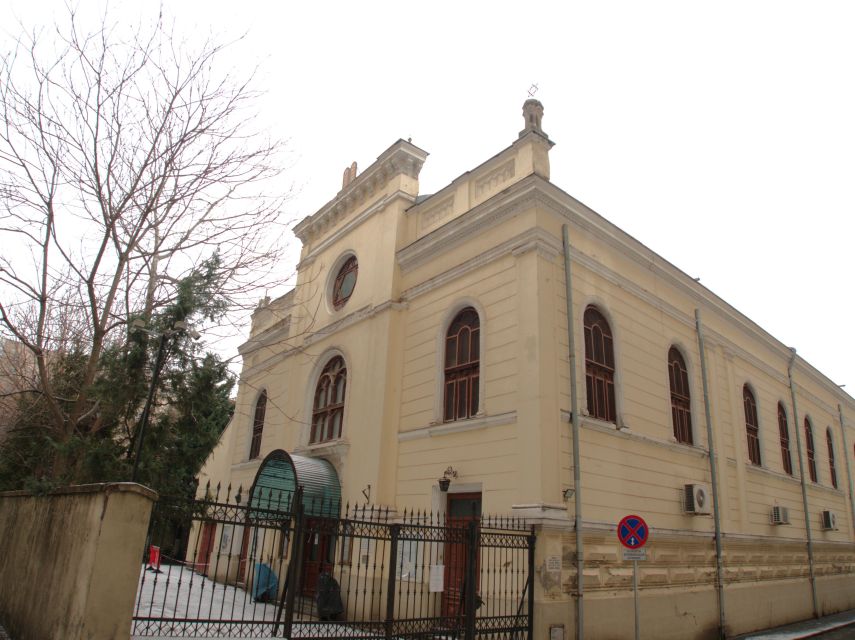
Jewish Museum Bucharest: seeing history inside an ex-temple
One of the best ways to understand a community is to experience it as a space, not only as a timeline. The Jewish Museum Bucharest is hosted in a former temple, which changes the feel immediately. Even if you focus only on the walls and the flow of the visit, you’re still getting an architectural reminder that religion, culture, and community institutions were once tightly connected.
This is also where the tour turns from exterior impressions into more direct context. You’ll see how Jewish life in Bucharest was documented and preserved, and you’ll connect that to the larger historical arc, including the tragic break of the Holocaust period and the later reshaping under the Communist regime.
Practical note: the museum closes on Fridays, so you’ll want to plan your schedule accordingly if you’re visiting during the workweek versus the weekend.
Great Synagogue: the Romanian Holocaust story in a major landmark
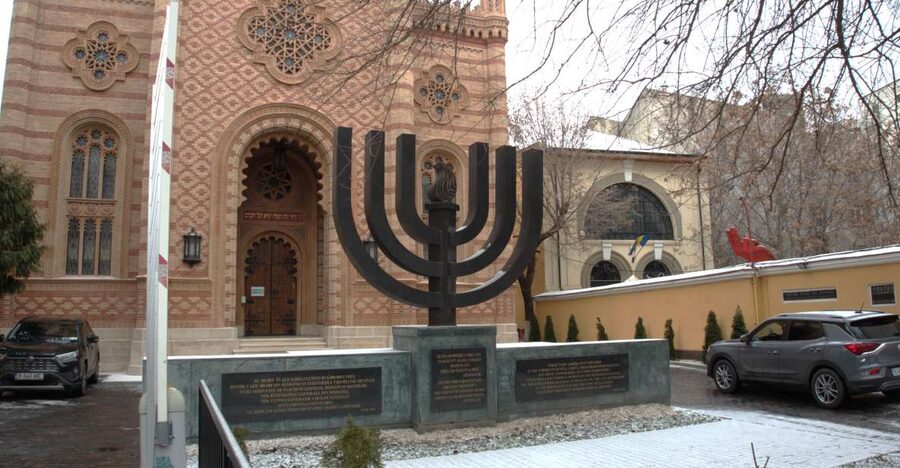
The Great Synagogue is the headline stop for many people, and with good reason. It’s a major visual presence in the city, but the tour doesn’t treat it like a single monument you pass by. You learn how Romanian Holocaust history is tied to the site, and you understand the synagogue as part of a community that faced both religious life and catastrophe.
You’ll also get a reality check on timing. The Coral Temple and Great Synagogue close during Rosh Hashana, Pesach, Shavuot, Yom Kippur, and Sukkot. Those are dates that can completely change what you can see, even if you book weeks ahead. If your travel dates land near those holidays, you should confirm the schedule before you commit.
Visiting hours to keep in mind when the sites are open: Mon to Thu from 9:00 to 14:00, and Fri from 9:00 to 12:00. When you’re planning your day, treat those windows as real limits, not suggestions.
More Walking Tours in Bucharest
- Bucharest: City Highlights Guided Walking Tour
★ 4.9 · 1,482 reviews - Bucharest Highlights Walking Tour
★ 5.0 · 469 reviews - Bucharest: Hidden Markets Walking Tour with Tastings
★ 4.9 · 329 reviews - Bucharest: Ghost Stories & Romanian Mythology Walking Tour
★ 4.9 · 287 reviews
Teatrul Evreiesc de Stat: Jewish cultural life beyond worship
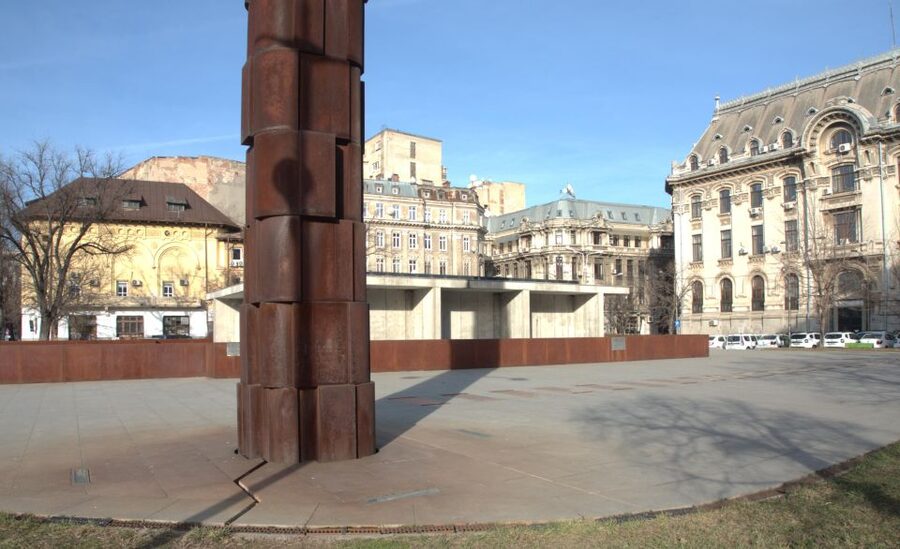
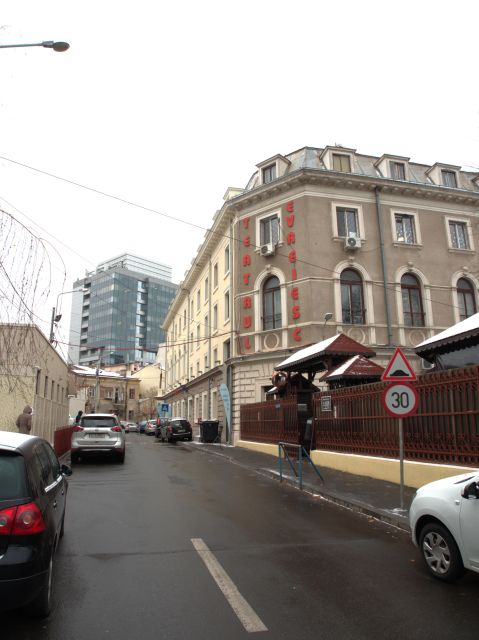
Many Jewish heritage routes over-focus on religion alone. Here, you also get a strong cultural stop: Teatrul Evreiesc de Stat, the Jewish State Theater. Even with a short visit, it matters because it widens the story from synagogues and memorials into arts, public life, and how culture expressed identity in daily society.
This stop helps you connect dots. When you later stand at the Holocaust Memorial, you can more clearly feel what was lost, not only what was destroyed. Cultural institutions like this don’t exist in a vacuum. They reflect a community’s confidence, habits, and public voice.
Even if you’re not a theater person, this is still worth your attention, because it shows Jewish Bucharest as a living civic world, not only a historical footnote.
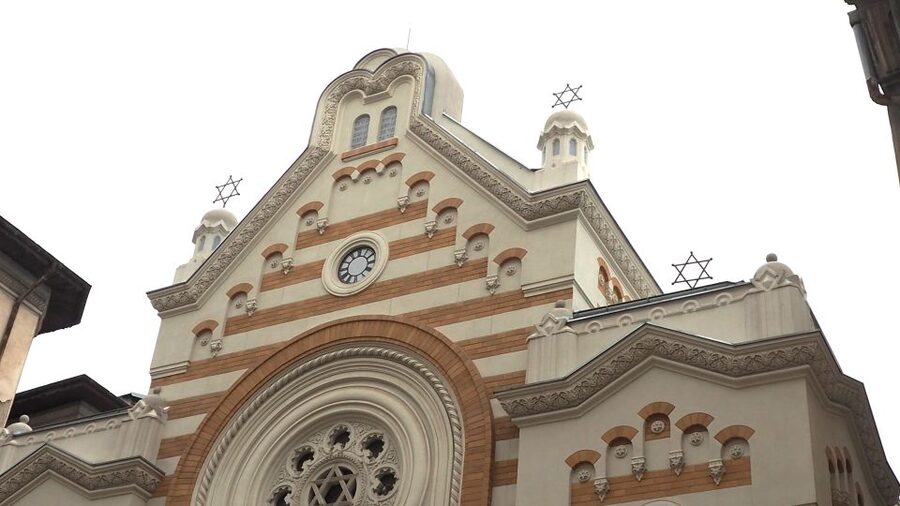
Coral Temple: Neo-Mudejar beauty, restoration, and 150+ years
The Coral Temple is the other major architecture anchor of the tour. It’s in Neo-Mudejar style and has over 150 years of history, and the fact that it’s recently restored means you get to admire it in better condition than many historic sites in the region.
This stop also lands at a good moment in the tour. After the Great Synagogue and the theater, you’ve already built context. Then you can focus more purely on what the building communicates: continuity, craftsmanship, and the way communities physically maintain their presence in a city.
Just like the Great Synagogue, the Coral Temple closes during Rosh Hashana, Pesach, Shavuot, Yom Kippur, and Sukkot. When it is open, it follows the same general visiting window pattern: Mon to Thu from 9:00 to 14:00 and Fri from 9:00 to 12:00.
One more practical point: in high temperatures, opening schedules might shift, so don’t assume the plan will always run exactly as printed.
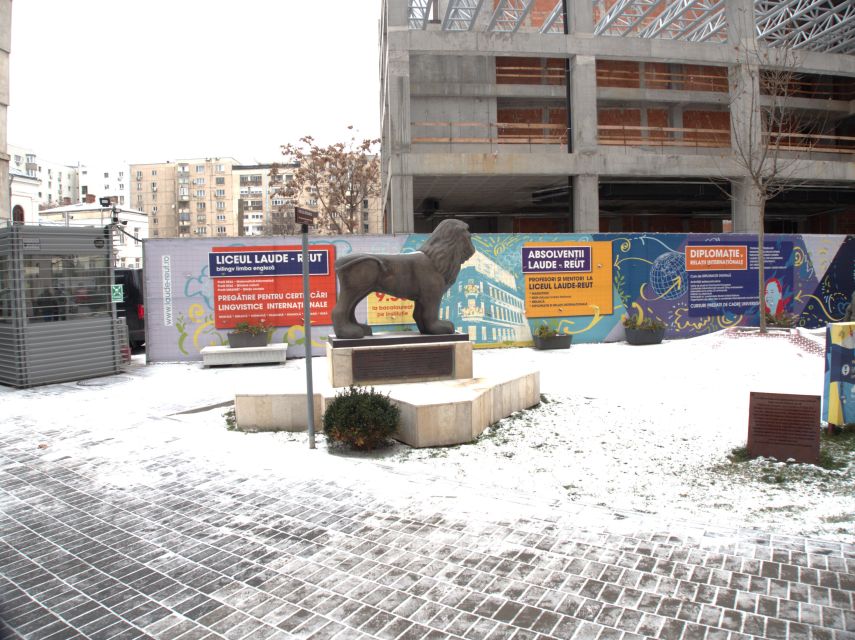
Passing Laude-Reut and Jerusalem Lion Square: reading the city’s memory
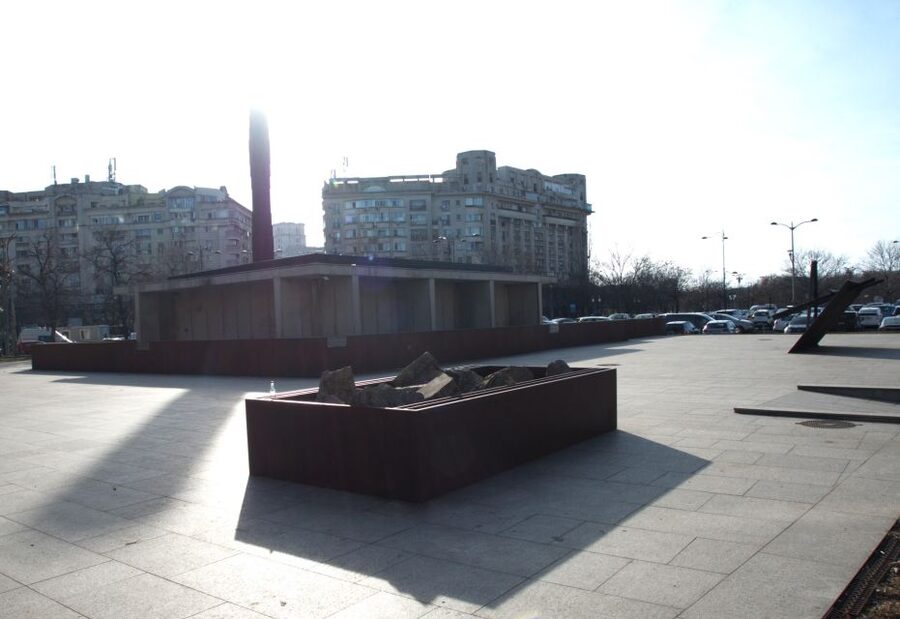
Not every moment on the walk requires an inside visit. Passing by places like the Laude-Reut educational complex and Jerusalem Lion Square helps you understand how Jewish heritage appears in Bucharest’s public spaces today.
These are quick stops by design. The goal isn’t to rush you through details you cannot absorb. It’s to show you that the city still holds names, symbols, and institutions linked to Jewish identity, even when the original neighborhood has been reshaped.
Avraham Kosher break: snacks and a pause that matters
You get a planned break at Avraham Kosher for local snacks, about 30 minutes. This is more than a convenience stop. It’s a simple way to keep the walk comfortable, especially in summer heat.
Bring cash, because entrance fees and personal items like snacks are not included. Also, having cash ready helps you avoid the common travel stress of scrambling at the exact wrong moment.
If you’re sensitive to pacing, this snack stop is a built-in reset. It also gives you a chance to ask questions without feeling like you’re interrupting a tight sequence of sites.
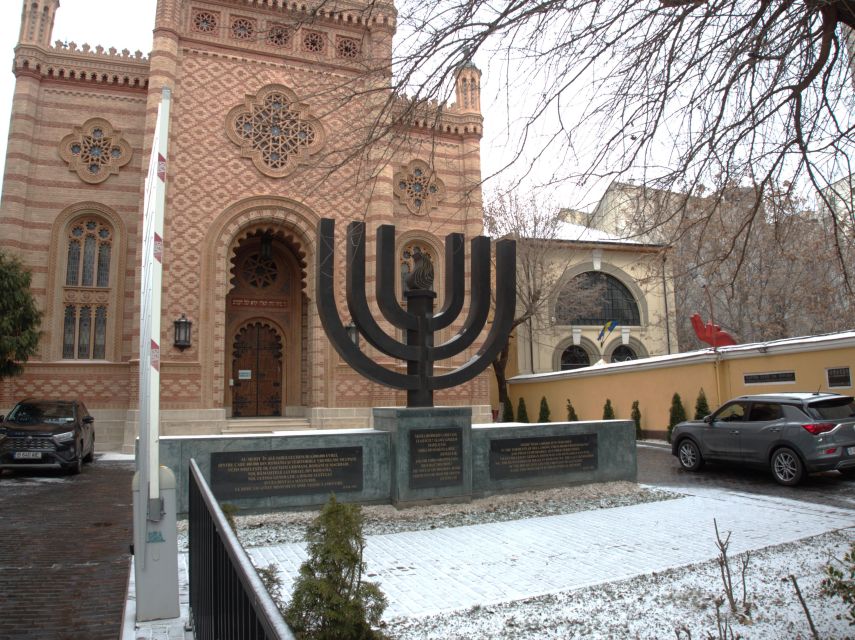
Ending at the Holocaust Memorial: why that final stop hits
Finishing at the Holocaust Memorial in Bucharest gives the tour an emotional shape. Instead of turning the final minute into another quick glance, you end where many people naturally want to slow down.
It works because the tour has already walked you through key community institutions: the museum in an ex-temple space, the major synagogue landmark, and the Coral Temple. By the time you reach the memorial, you’ve seen enough to understand what the tragedy took away and how Bucharest has chosen to mark remembrance in public space.
It’s a powerful ending, but also a respectful one. If you want to absorb it, plan to give yourself that quiet time before you head back into the rest of the city.
Price and value: what $318 means for a small group
The price is listed as $318 per group, with the group size capped for the experience at 7 participants. The listing also notes a group up to 12, so in practice you may see the group cap and the pricing structure explained together by the operator.
Here’s the value math in plain terms. If you get the full small-group size of 7, you’re looking at about $45 per person for the guided portion, which is a reasonable rate considering you’re covering multiple major sites in a tight walk plus guide-led context.
Two cost items you should factor in separately:
- Entrance fees are not included.
- There is an entrance fee of 30 lei per person in each location when open, roughly around $6 based on the provided estimate.
So your true day cost depends on which sites are open during your visit. If you’re traveling during peak hours and all sites are operating, you’ll pay the entrance fees at multiple stops. If you’re visiting during a closure window, you might pay less but see fewer indoor locations.
Either way, this tour’s value comes from the guide’s ability to connect sites and themes, not just check off a list.
Timing, closures, and hot-weather schedule reality
This tour depends on doors being open. That’s not unusual for religious and heritage sites, but it matters here because the schedule includes major synagogues and a museum.
Here are the facts you should plan around:
- Coral Temple and Great Synagogue are closed during Rosh Hashana, Pesach, Shavuot, Yom Kippur, and Sukkot.
- Synagogues and temples visiting hours: Mon to Thu 9:00 to 14:00, Fri 9:00 to 12:00.
- Jewish Museum Bucharest is closed on Fridays.
- High temperatures might affect the opening schedule.
- Some locations might close for safety reasons depending on events in Israel, so you should inquire before booking.
Given all that, I recommend picking your travel day with a bit of flexibility. If you can shift your Bucharest itinerary by a day, you often gain access to more parts of the route.
Who this walking tour is best for
This is a strong fit if you:
- Want Jewish heritage that mixes architecture with real historical context
- Prefer a small group with live guidance over a self-guided loop
- Are interested in how Romanian Jewish history continues into modern memory spaces
It’s also a good match if you like history told with structure. The guide, Razvan Trancu, is noted for strong communication in English and Italian, and for using tools like photos on an iPad to support explanations. That matters because some people struggle to picture events without visual anchors.
If you’re traveling with mobility needs, you’ll be glad to know the tour is wheelchair accessible.
Should you book this Jewish heritage tour?
Book it if you want a well-paced half-day that uses Bucharest’s surviving Jewish sites as a way to understand the community’s full arc, including Holocaust history and later Communist-era life. The small group format, the guided connections between stops, and the ending at the Holocaust Memorial make it more than a sightseeing circuit.
Skip it or reconsider dates if you’re traveling during major Jewish holidays or you can’t risk schedule changes due to weather or potential safety closures. In those cases, you might end up with fewer open locations and a weaker sense of the full route.
If your dates work, this is one of the most meaningful ways to learn Bucharest’s Jewish story without rushing through it.
FAQ
How long is the Bucharest Jewish heritage walking tour?
It lasts 3 hours.
Where do we meet for the tour?
You meet at the Starbucks entrance door.
What group size is this tour?
It is a small group limited to 7 participants.
What languages is the guide speaking?
The tour guide speaks Italian and English.
Is the tour wheelchair accessible?
Yes, it is wheelchair accessible.
What’s included in the price?
The guided tour through the Jewish Quarter of Bucharest is included.
Are entrance fees included?
No. There is an entrance fee of 30 lei per person in each location when open, plus you may need to buy snacks yourself.
What should I bring?
Bring cash.
What are the opening hours for synagogues and temples when they are open?
Mon to Thu from 9:00 am to 14:00 and Fri from 9:00 am to 12:00.
Are any major sites closed on holidays or certain days?
Yes. During Rosh Hashana, Pesach, Shavuot, Yom Kippur, and Sukkot, both the Coral Temple and the Great Synagogue are closed. The Jewish community museum is closed on Fridays.
Can I cancel and get a full refund?
Yes, you can cancel up to 24 hours in advance for a full refund.
Recently listed in Bucharest
- Winery touring & private wine tasting – one day private tour★ 5.0 · 3 reviews
- Village Museum Bucharest Guided Tour★ 5.0 · 6 reviews
- Wine Tasting and Dinner, including Sommelier★ 5.0 · 3 reviews
- Bucharest: Dealu Mare Winery Private Trip with Wine Tasting★ 4.9 · 6 reviews
- Transylvania Tour: Dracula’s Castle, Peles Palace & Brasov★ 5.0 · 19 reviews
- Traditions in Bucharest: Village Museum and Wine Tasting★ 5.0 · 8 reviews
- Airport Henri Coanda (Otopeni) to Bucharest – Private Transfer – Driver★ 5.0 · 5 reviews
- Discover Medieval Transylvania Small Group Tour – 7 days★ 5.0 · 4 reviews
Walking Tours, compared.
Ghost Stories & Romanian Mythology Walking Tour
Read our review →
Browse the lists this tour appears in