
REVIEW · 7-DAY EXPERIENCES
7 days Private Romania Grand Tour from Bucharest
Transylvania feels easy when someone else drives. This 7-day private Grand Tour from Bucharest strings together real region highlights across Wallachia, Transylvania, Maramures, and Bucovina, with hotel pickup, an air-conditioned minivan, and a driver-guide who keeps the day moving. You get big architecture moments, village life, and a few spooky-adjacent legends, without the stress of coordinating buses and timing transfers yourself.
What I like most is the mix of signature sights and local texture. You’ll spend real time in UNESCO-listed wooden and painted church areas, like Şurdeşti and the Churches of Moldavia, not just quick photo stops. I also love how the routing keeps changing scenery each day, from monastic Wallachia to Saxon-era towns, salt-mine weirdness, and castle evenings that feel straight out of a history book.
One consideration: entrance fees can add up. The tour price clearly covers hotels and breakfast, but the info provided also lists entrance fees as not included, and some standout stops (like the salt mine and several castles) typically charge on site. Plan a budget for tickets and snacks, and double-check what you will pay locally.
In This Review
- Key points to know before you go
- Value for money: what this tour includes, and what you should budget
- Comfort and control: why private transport helps in Romania
- Day 1: Cozia Monastery and medieval Sibiu without the stress of transfers
- Day 2: Alba Iulia, Turda Salt Mine, and Cluj-Napoca in one full sweep
- Day 3: Şurdeşti and Barsana, plus the Vadu Izei washing whirlpool
- Day 4: Săpânţa Merry Cemetery and the painted monasteries of Moldavia
- Day 5: Piatra Neamţ breaks it up, then Bicaz Gorges and Red Lake deliver the views
- Day 6: Sighişoara’s UNESCO core, Bran Castle’s border story, then Brasov’s Saxon pulse
- Day 7: Peles Castle, then a Bucharest panorama to close the loop
- Who this tour is for, and how to choose your own pace inside the plan
- Should you book this private Romania grand tour?
- FAQ
- How long is the Romania grand tour and what time does it start?
- Is this a private tour?
- Does the tour include hotel pickup and drop-off in Bucharest?
- What’s included in the price?
- Are entrance fees included?
- Is there an extra cost for a single room?
- How do we receive tickets?
- What happens if weather is poor or the minimum number of travelers is not met?
Key points to know before you go
- Private minivan, real timing: Round-trip transportation from Bucharest helps you avoid slow connections and get to sights before crowds.
- UNESCO-heavy days: Şurdeşti and the Churches of Moldavia add depth beyond the usual castle-and-bridge circuit.
- Built-in variety: Monasteries, cemeteries, artisan ceramics, and mountain scenery sit next to famous “Dracula” landmarks.
- Some paid entrances: Salt mine and multiple castle visits can require extra ticket spending on the day.
- Guide support matters: In prior guest feedback, named guides like Liviu and George were credited with making the route feel organized and manageable.
Value for money: what this tour includes, and what you should budget
The headline price is $1,719.59 per person, and what makes it feel workable is that you’re buying a lot of friction removal. You get private transportation by private vehicle, pickup and drop-off, and a driver-guide for the full run. You also get 6 nights of accommodation plus 6 breakfasts, so you can start each day fed and then just focus on the sights.
Compared to piecing together trains and regional shuttles, this is the kind of setup that can save you hours of planning and decision fatigue. Romania is fantastic, but distances between regions add up quickly. Here, you’re covered by an air-conditioned minivan, which is a big quality-of-life upgrade, especially when you’re bouncing between churches, towns, and mountain viewpoints.
Now, the part to be careful about: entrance fees. The tour description says entrance fees are included, but the provided pricing notes also list entrance fees as not included. That contradiction happens, and it’s easy to fix by confirming at booking which sites are covered and which are ticketed. Either way, it’s wise to carry some cash and a card, so you’re never stuck deciding on the spot.
If you’re traveling solo, there’s also a single room supplement of 150 euro, paid locally in cash or by credit card. That’s common on private tours, and it’s worth calculating your total cost early.
A few more Bucharest trips worth weighing up
- Castles of Transylvania: Private Day Trip from Bucharest
★ 4.5 · 248 reviews - Bucharest: Best of Bucharest Private Tuk-Tuk Tour
★ 5.0 · 238 reviews - Dracula’s Castle, Peles Castle and Brasov – Private Day Trip from Bucharest
★ 5.0 · 211 reviews
Comfort and control: why private transport helps in Romania
This is the practical side of private touring. You’re not just getting driven, you’re getting a day plan that accounts for travel time. That matters when you’re moving through Transylvania and across multiple cultural regions in one week.
With pickup and drop-off included and a start time of 9:00 am, you can treat mornings as “start fresh” instead of “hunt for a meeting point.” The private vehicle also helps when you want to stop for quick photo breaks or when a museum visit runs a bit long. Small things add up, and in this route, you’ll feel them.
One more thing: the itinerary has several church visits, castle interiors, and outdoor stretches. You’ll be happier if you bring sturdy shoes and a light layer. Many Romanian historic sites mean uneven stones, steps, and stairs, and you’ll want your legs to be on your side.
Day 1: Cozia Monastery and medieval Sibiu without the stress of transfers
Your first major stop is Cozia Monastery in the Olt Valley area. This is a 14th-century Wallachian monument tied to Mircea Il the Old, later restored in the 17th century by the Cantacuzino family. What I’d prioritize here is the façade’s Armenian decorations and the richly frescoed interior. Monasteries like this work best when you slow down a little and actually look, not when you’re rushing for the next bus.
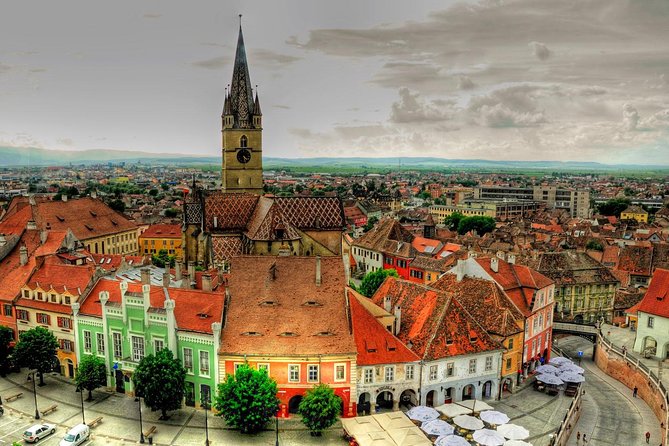
From there, you head to Sibiu, a medieval city where Romanians and Saxons lived side by side for centuries. You’ll walk the feel of the place through its squares, including Big Square, Small Square, and Huet Square, plus the famous houses with the eyes. If you like architecture that looks “grown over time,” Sibiu is a great first-day payoff.
Sibiu also leans into festivals and religious history. It was European Capital of Culture in 2007, and it hosts a theater festival each year. You’ll also see a large Gothic evangelical church in Transylvania. This is one of those stops where the tour time given (around 3 hours) is about right: enough to get your bearings and still have time to wander a bit.
Day 2: Alba Iulia, Turda Salt Mine, and Cluj-Napoca in one full sweep
Day 2 starts with Alba Iulia, a city with a heavy national-history role. The key marker is the Great Union of Romania on December 1, 1918, in the aftermath of the First World War. Even if you don’t memorize every date, the place helps you understand why modern Romania values these foundational moments.
Next comes the standout “change of pace” stop: Salina Turda (Turda Salt Mine). You go down about 400 feet before reaching an underground world that’s more than a single hall. Inside you can find an amphitheater, a bowling alley, an underground lake with paddle and row boats, and even a Ferris wheel. It’s the kind of stop that breaks up all the churches and castles. Also, it’s a good one if your group wants something fun that doesn’t require long reading time.
One note to plan for: the salt mine admission isn’t included based on the provided details. So budget for that ticket when you’re calculating your day’s total cost.
Then you roll into Cluj-Napoca, known for St. Michael’s Church and the imposing statue complex representing King Mattia Corvino with his closest soldiers. It’s also a university city, and it shows in the energy and multilingual feel. Even with only about an hour here, you’ll get the sense that Cluj is a working city, not a museum town.
A different sort of day out in Romania:
- Bucharest: Dracula’s Castle, Peles Castle, & Brasov Old Town
★ 4.5 · 17,858 reviews - Bucharest: Dracula Castle, Peles Castle & Brasov Old Town
★ 4.6 · 10,891 reviews - Bucharest: Dracula’s Castle, Peleș Castle & Brașov Day Trip
★ 4.4 · 6,100 reviews - Bucharest: Palace of Parliament Tickets and Guide
★ 4.3 · 3,182 reviews
Day 3: Şurdeşti and Barsana, plus the Vadu Izei washing whirlpool
This is where the route starts turning into something special for people who like architecture details and lived-in traditions. The day features the UNESCO wooden churches theme in northern Transylvania.
First is Şurdeşti Wooden Church, a UNESCO site with a tower of 54 m and a total height listed as 72 m (at least until a newer, taller church was built in nearby areas). You’ll also notice its unique double-eaved roof, with two superposed rows of arches above the porch. Those are the exact kinds of features that are easy to miss if you’re just passing by.
The church also connects to Greek Catholic history. It’s described as a Greek Catholic church of the Holy Archangels built in 1721 from oak logs by a carpenter named Toma Macarie. That kind of craftsmanship detail makes the building feel human, not just old.
Then you go to Barsana Monastery, also tied to the UNESCO designation of parts of the Maramures Region. It’s described as a convent with sixteen nuns, and the area is known for dramatic vernacular architecture and tall Orthodox church spires.
After that, you get a memorable cultural pause at Vadu Izei, where you’ll see the Romanian “valtoare,” essentially a natural washing-machine whirlpool mechanism. Water runs fast from a mountain stream, and the system uses the flow to wash laundry and even rinsing-in ideas. The description notes it as medieval in origin and calls it the world’s first natural washing machine, per the Academy of World Records. It’s quirky, practical, and a nice reminder that rural tech is often brilliant and simple.
Day 4: Săpânţa Merry Cemetery and the painted monasteries of Moldavia
Day 4 is built around the Churches of Moldavia theme, plus a detour into the unusual humor and memory of Săpânţa.
You start at Cimitirul Vesel (Merry Cemetery), in Săpânţa. This is not a somber graveyard experience. Over 800 wooden crosses carry life stories, including the dirty details and final moments of the people they mark, shown with bright pictures and annotated with limericks. If you’re the type who likes places where local character takes center stage, this stop will stick with you.
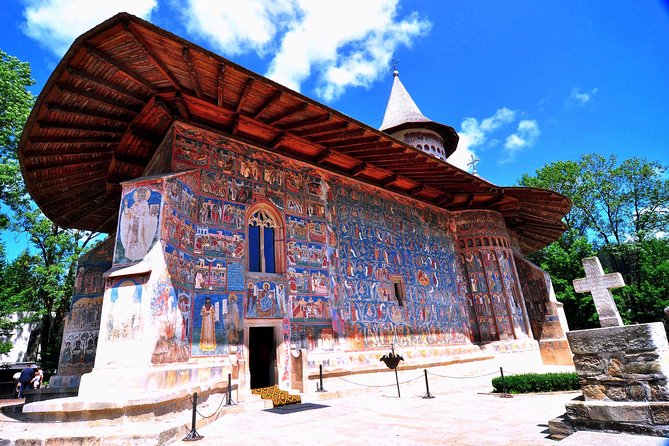
Next are monasteries: Moldoviţa and Sucevita. Moldoviţa is described as a 16th-century foundation of Pietro Rares, with frescoes inside and out. Sucevita follows in the 17th century, founded by the Movila brothers, and is described as mixing Gothic and Byzantine elements into a Moldovan architectural style. A practical detail here is that protective walls have helped keep northern façade frescoes visible, so you’re seeing more than just traces.
Then you continue to Marginea for black ceramic at Ceramica neagra Marginea. You can enter a workshop to watch working phases, and you can buy typical items like ceramic pots and decorated eggs using traditional Romanian techniques. If you’ve ever bought souvenirs that look like tourist plastic, this is the opposite. You’re watching the craft happen.
Finally, you visit Manastirea Voronet as part of this Moldavia church run. Even without extra side stories, it works because the day has trained your eye: once you’ve seen frescoes on earlier monasteries, Voronet reads like the next chapter in the same artistic language.
One more planning note: several of these monastery and artisan stops list tickets as not included, so keep some cash handy.
Day 5: Piatra Neamţ breaks it up, then Bicaz Gorges and Red Lake deliver the views
Day 5 is a change of pace, moving from monasteries to mountain scenery and then toward your next medieval town.
You begin with a short stop in Piatra Neamţ, described as a ski resort that still preserves a citadel founded in the 15th century during Stephen the Great’s era. You’ll also see an 18th-century synagogue. The setting is explained as being surrounded by mountains with lush vegetation. This is a useful “reset” stop, not a long stay.
Then comes Bicaz Gorges, with cliffs and a road that runs alongside a stream. The description emphasizes an emotional-impact scenery, and there’s also a market along the gorges for typical handicrafts and souvenirs. This is the kind of stop that works well for photos, but also for quick browsing. It’s short, but it adds variety without adding complexity.
After the gorges, you visit Red Lake, a barrier lake formed after a landslide. The still-present trunks give it an atmospheric feel, and legends about the lake’s name are part of the visit. Red Lake tends to be one of those “story plus setting” stops, and it pairs nicely with Dracula-themed days because folklore is part of Romania’s travel DNA.
You finish the day arriving late evening in Sighişoara, described as Vlad Dracula’s birth place. That timing matters: it’s a “get oriented, then rest” arrival. You’ll get a short stop, not a full-day exploration.
Day 6: Sighişoara’s UNESCO core, Bran Castle’s border story, then Brasov’s Saxon pulse
You start with the Centrul Istoric Sighişoara, the UNESCO heritage historic center of this fortified town. It’s described as romantic, with colorful houses and narrow streets. The Tower of the Clock is highlighted as a symbol, and the streets and churches reflect a multicultural and multi-confessional city. This is where the Dracula link gets more than just legend. Vlad Dracula is said to have been born here in 1431.
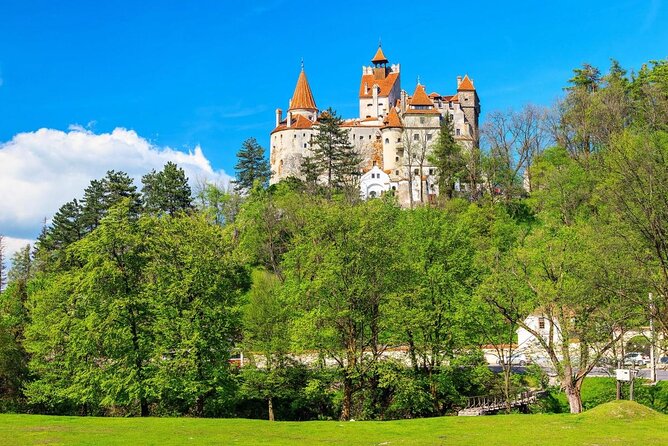
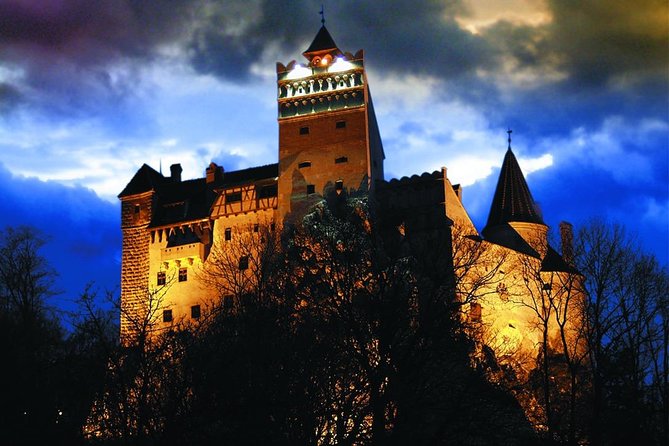
Next you go to Bran Castle, the famous “Dracula’s Castle.” Here, what I’d take in is the border history. In the Middle Ages, Bran was exactly on the boundary between Wallachia and Transylvania, so Brasov-area inhabitants built and preserved a defensive stronghold. It’s a reminder that castles were military tools first, spooky stories second.
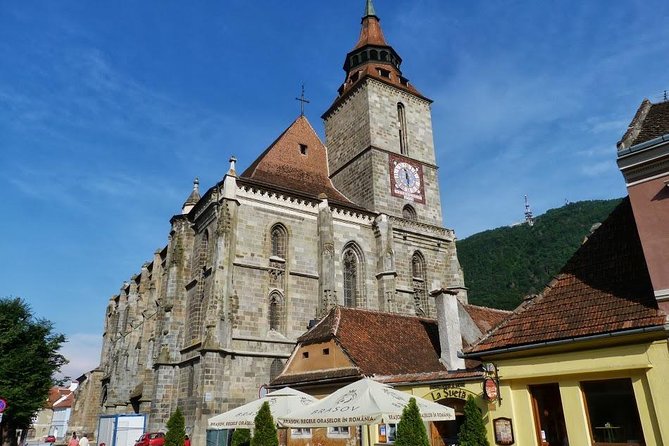
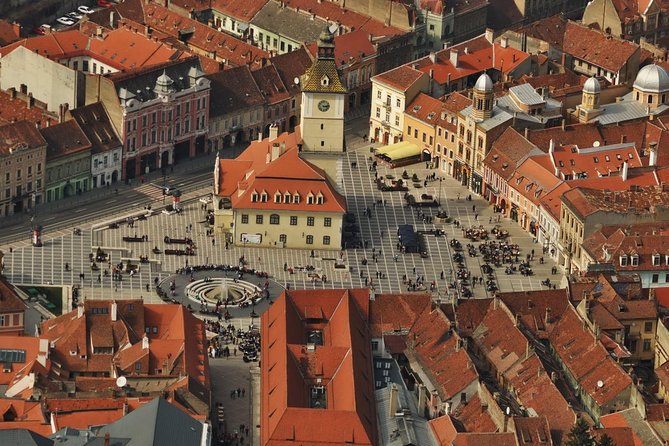
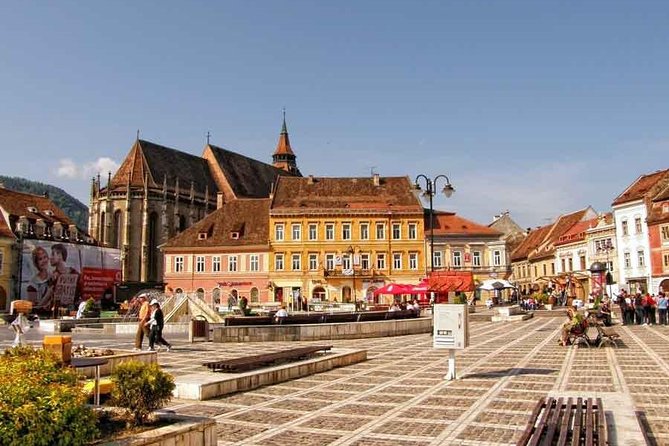
Then you head to Brasov Historical Center, described as a wonderfully German-influenced Transylvanian town once fully fortified. You’ll see an architectural mix where Gothic, Baroque, and Renaissance styles intersect. The tour includes the First Romanian School in the Schei district, plus the medieval gateways through the city like the Catherine’s Gate and the Schei Gate. The itinerary also points out the Black Church, which is one of the best-known landmark buildings in Brasov.
A practical note: many of these attractions list ticketed entry, so build that into your daily spending.
Day 7: Peles Castle, then a Bucharest panorama to close the loop
Day 7 gives you a royal finish and then a Bucharest sendoff.
First is Peles Castle, described as the summer residence of Romania’s first king, King Charles I of Hohenzollern, with German origins. The castle was designed by a Czech architect and is described as unusually modern for its time, built between the 19th and 20th centuries. You’ll also admire that each room has a unique style, including a Florentine room that brings an Italian and Renaissance atmosphere. Even if you’re not a diehard castle person, Peles is the kind of place that makes “history” feel crafted.
Again, castle entry isn’t included based on the provided details.
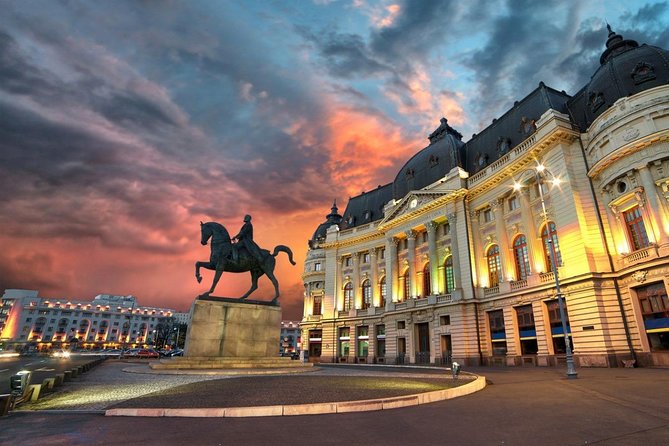
Then you return to Bucharest for a panoramic tour with key landmarks: Triumph Arch, the Romanian Athenaeum, Revolution Square, and the Parliament Palace. This is a smart final pairing because it lets you end with “big city” Romania after a week of forts, monasteries, and folklore.
Who this tour is for, and how to choose your own pace inside the plan
This private tour is a strong fit if you want three things at once:
- Culture and architecture, not just scenery: You’ll spend meaningful time in monasteries, churches, and historic towns.
- Less logistics stress: A private minivan plus pickup reduces wasted time.
- A guided lens for folklore: Dracula sites are paired with actual border and historical context.
It may be less ideal if you dislike packed days and prefer to linger in one place for multiple days. Even though it’s private, the route still moves steadily, because it has to cover multiple regions in 7 days.
Also, keep in mind that many stops are outdoors or involve stairs. Bring good walking shoes. If you’re traveling as a couple or small group, you’ll probably enjoy the flexibility more than a solo traveler who has to manage the single supplement.
If you want to maximize value, plan for ticket cash, budget time for markets (like the Bicaz Gorges market and Marginea ceramics), and don’t underestimate how much you’ll walk in Sighişoara and Brasov.
Should you book this private Romania grand tour?
Book it if you want a well-paced week that hits Romania’s most memorable regions with a private driver-guide and transportation sorted end to end. The biggest selling points are the UNESCO church concentrations, the mix of monasteries, cemetery storytelling, and the Dracula-to-Transylvania-to-royalty arc that makes the week feel like a single story.
I’d hesitate only if entrance fees would be a dealbreaker for your budget, because ticket costs can apply to key attractions like the salt mine and several castles. If you confirm what’s included, and you’re okay paying a bit locally for ticketed stops, this tour can feel like a smart shortcut.
If you’re the type who likes history with character and you’re tired of doing logistics the hard way, this is a very practical way to see Romania in a week.
FAQ
How long is the Romania grand tour and what time does it start?
It runs for about 7 days and starts at 9:00 am.
Is this a private tour?
Yes. It is a private tour and only your group participates.
Does the tour include hotel pickup and drop-off in Bucharest?
Yes. Hotel pickup and drop-off are included, with round-trip transport from Bucharest.
What’s included in the price?
The price includes 6 nights accommodation, a driver/guide, hotel pickup and drop-off, a private tour, transport by private vehicle, and breakfast (6).
Are entrance fees included?
Entrance fees are listed as not included. Some sites may require tickets you pay locally, so it’s best to budget for entrances.
Is there an extra cost for a single room?
Yes. There is a single room supplement of 150 euro, payable locally in cash or by credit card.
How do we receive tickets?
The tour includes mobile ticket.
What happens if weather is poor or the minimum number of travelers is not met?
The experience requires good weather. If canceled due to poor weather, you’ll be offered a different date or a full refund. If it’s canceled because the minimum number of travelers is not met, you’ll be offered a different experience or a full refund.
Recently listed in Bucharest
- Village Museum Bucharest Guided Tour★ 5.0 · 6 reviews
- Wine Tasting and Dinner, including Sommelier★ 5.0 · 3 reviews
- Winery touring & private wine tasting – one day private tour★ 5.0 · 3 reviews
- Bucharest: Dealu Mare Winery Private Trip with Wine Tasting★ 4.9 · 6 reviews
- Transylvania Tour: Dracula’s Castle, Peles Palace & Brasov★ 5.0 · 19 reviews
- Traditions in Bucharest: Village Museum and Wine Tasting★ 5.0 · 8 reviews
- Airport Henri Coanda (Otopeni) to Bucharest – Private Transfer – Driver★ 5.0 · 5 reviews
- Discover Medieval Transylvania Small Group Tour – 7 days★ 5.0 · 4 reviews
7-Day Experiences, compared.
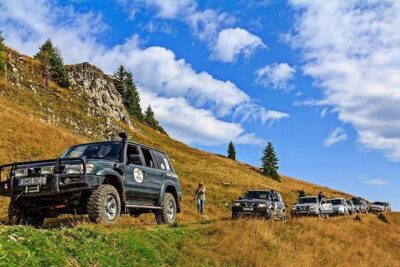
4×4 Driving Experience at Flying Altitudes – 7 Days
Read our review →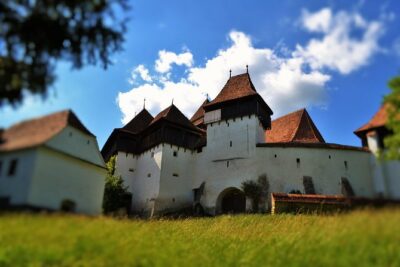
7-Day Private Tour of Transylvania from Bucharest
Read our review →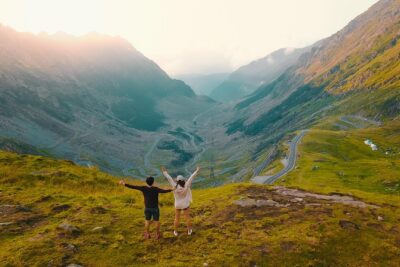
Amazing Romania – Seven day private tour from Bucharest
Read our review →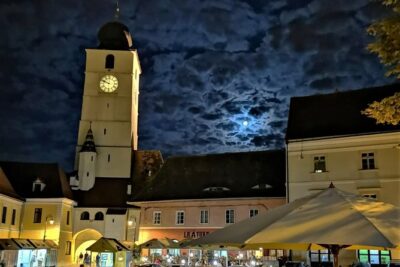

7 Days Private Guided Tour in Romania from Bucharest
Read our review →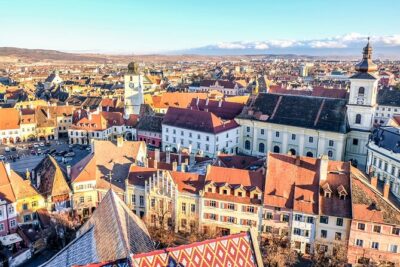
Discover Medieval Transylvania Small Group Tour – 7 days
Read our review →
7 Day Best of Transylvania Motorcycle Tour from Cluj
Read our review →
7-Day Dracula Tour in Romania from Bucharest including ‘The Ritual of Killing of a Living Dead’
Read our review →Browse the lists this tour appears in