
REVIEW · MARAMURES WOODEN CHURCH TOURS
Your rendez-vous with Europe’s past: time-travel to Maramures, Transylvania
Time travel starts in Romania. This week-long private route takes you from Bucharest into Maramures and Transylvania, with a driver and guide handling the heavy lifting so you can simply enjoy the scenery and stories. I love how tickets and entry are already organized, and how the itinerary pairs the big-name sights with UNESCO-protected wooden churches.
I also like the practical pacing. You get real time in hill towns like Sibiu and medieval streets in Sighișoara, plus village stays such as Breb where local food and life are part of the day. One consideration: there is a lot of car time between regions, so if you dislike long drives, plan for frequent stops and snacks.
In This Review
- Key points you will feel on the road
- A real time machine: Maramures meets Transylvania
- Day 1 in Wallachia: Cozia Monastery to Sibiu’s towers
- Day 2: Alba Iulia’s fortress power and Cluj-Napoca’s royal echo
- Day 3: UNESCO wooden church plus village life in Breb
- Day 4: Barsana, Sapânta’s Merry Cemetery, and Sighet’s prison memorial
- Day 5: Ieud and the wooden cathedral, then Biertan and Sighișoara
- Day 6: Viscri’s Saxon calm, Brasov’s Gothic Black Church
- Day 7: Bran Castle, Peles Castle, and Bucharest’s Stavropoleos
- Price and value: what your money buys here
- Who this suits best (and who should rethink it)
- Should you book this time-travel route?
- FAQ
- What parts of the trip start in Bucharest?
- How long is the tour?
- Is this a private tour?
- What is included in the price?
- What is not included?
- Do we visit UNESCO sites during the week?
- Are admission tickets covered?
- What is the accommodation like?
- What time window is the tour operating?
- Is there a refund if I cancel?
Key points you will feel on the road
- Private driver and guide means the trip can flex around your questions, photos, and comfort.
- Admission is largely handled for the main stops, so you spend less time waiting and more time sightseeing.
- UNESCO wooden churches in Maramures are the core experience, not just a side stop.
- A mix of Wallachian, Hungarian, and Saxon landmarks helps the region make sense.
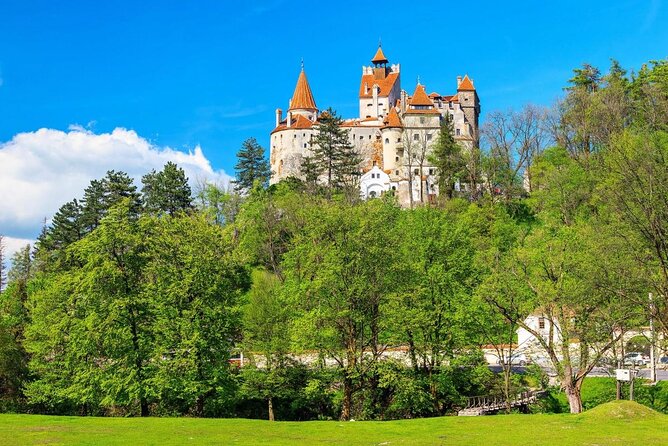
- Two castle days (Bran and Peles) give you Dracula legend, then a totally different style of royal glamour.
- One-night village lodging in Breb adds a lived-in feel beyond the typical tour circuit.
A real time machine: Maramures meets Transylvania
Maramures and Transylvania both feel like separate worlds, but they sit inside one story. Maramures is where you still see traditional peasant culture, often in simple, strong forms made to last. Transylvania brings in layered influences, including Saxon towns, fortified churches, and the medieval drama that turned Vlad the Impaler into a global legend.
What makes this trip work is the blend. You do not only chase castles. You also move through the borderlands of belief and power, from monasteries to wooden churches, then into fortified towns built to resist invasion.
And the tour’s private nature matters. With a guide named Gelu and a driver named Vlad, you are not just ticking boxes. In the feedback I saw, Gelu was warm and welcoming, gave detailed context, and made room for questions, photos, and breathing in between stops. That is the difference between watching history and actually understanding what you are looking at.
More Transylvania Tours in Bucharest
- Transylvania and Dracula Castle Full Day Tour from Bucharest
★ 4.5 · 1,589 reviews - Castles of Transylvania: Private Day Trip from Bucharest
★ 4.5 · 248 reviews - 2-Day Medieval Transylvania with Brasov,Sibiu and Sighisoara Tour from Bucharest
★ 4.5 · 145 reviews
Day 1 in Wallachia: Cozia Monastery to Sibiu’s towers
Your day starts with a pickup in Bucharest, either at your hotel or at the airport. The drive takes you through the Olt River Valley, which is a good way to shake off the city and ease into the countryside.
At Cozia Monastery, you will feel the medieval weight right away. Founded in 1388 by Mircea the Elder, the Wallachian prince is tied to the Vlad legacy through family history. You get about 30 minutes here, and admission is free. It is short, but it sets the tone.
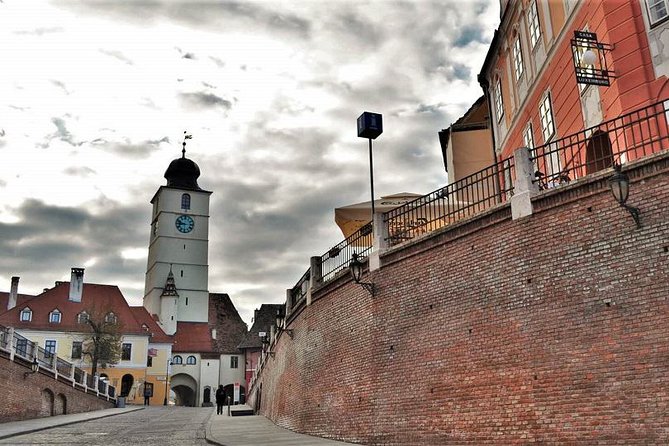
Then you head to Sibiu, one of those Romanian towns that rewards walking. You get a guided walk through the old city and plazas including Grand Square and Small Square, plus the older Albert Huet Square. The standout moment is climbing the medieval steps to the Council Tower for views over Sibiu. You will also visit both the Orthodox Cathedral and the Evangelical Church. Admission is listed as free here too, so you can focus on time and good walking shoes.
If you like first days that are efficient but not rushed, this works. You get a monastery for atmosphere, then a city for scale.
Day 2: Alba Iulia’s fortress power and Cluj-Napoca’s royal echo
Day two goes to Alba Iulia, tied to the legacy of John Hunyadi (Corvin) and his son, King Matthias Corvinus. This is one of those stops where the location feels like the argument: you are in a fortress built for big moments.
You visit the Alba Carolina fortress and the impressive Saint Michael Cathedral, with construction started in 1004. You also see the Orthodox Coronation Cathedral and ruins of a Roman castrum tied to the 13th Gemina Roman Legion. Admission is included, and you get about two hours. The mix of eras is the point. You see how control shifts, layer by layer.
After lunch and rest, you continue to Cluj-Napoca. The time window is shorter, around two hours, with a guided city tour. One of the details worth paying attention to is the reference to Matthias Rex, linked to the birthplace area near where your tour ends, often near restaurants and bars. It is a good way to transition from sightseeing into local life, even if your schedule stays tight.
If you want a day that explains why so many powers fought over this region, this is it.
Day 3: UNESCO wooden church plus village life in Breb
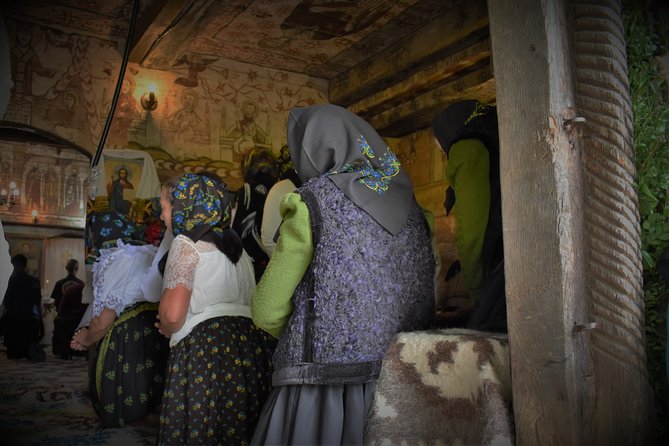
The Maramures portion starts with Surdesti Wooden Church, a UNESCO World Heritage site. It was built in 1766 as a Greek-Catholic church and is known for being, until recently, the tallest wooden church in the world. You only have about 30 minutes, but it is one of those places where you look longer than you planned because the details are so tangible.
Then you head north and check in at a traditional cottage in Breb for the next couple of days. The schedule gives you about 18 hours here, meaning you are not just arriving to sleep. You can slow down and actually eat traditional food with your hosts.
This is one of my favorite types of travel moments: when the day stops being a checklist and starts being a small routine. You might find your best photos at the edges, not only at the main church.
One practical consideration: village lodging usually means you will benefit from a good sense of flexibility. The plan gives structure, but this is still rural Romania, so expect simpler comfort than a big city hotel.
More Maramures wooden church trips:
- Classic Romania Tour – small group in 8 days: Transylvania and Maramures
★ 5.0 · 22 reviews - A Journey Back in Time: Countryside from Transylvania and Maramures – 15 Days
★ 5.0 · 7 reviews - Maramures best, full day tour from Cluj
★ 5.0 · 33 reviews - From Cluj-Napoca: Maramures Day Tour
★ 5.0 · 19 reviews
Day 4: Barsana, Sapânta’s Merry Cemetery, and Sighet’s prison memorial
Day four is emotionally varied, which is also why it sticks with you.
At Barsana Monastery, you get to see modern ecclesiastical architecture built in the early 1990s, but rooted in local tradition. It is one of those stops that reminds you religion here is not frozen in the past.
Next comes Merry Cemetery in Sapânta, famous for wooden crosses carved and painted in vivid colors, started by a local popular artist in 1935. The standout feature is the humor. Each epitaph includes an ironic, short story about the deceased. One example described in the tour materials focuses on a mother-in-law and includes a humorous warning to passers-by not to disturb her, since she would not stop talking even if she returned.
From there, the mood shifts sharply at the Memorial of the Victims of Communism and of the Resistance in Sighet. This is in the former Communist prison where the regime tried to exterminate political, religious, academic, and cultural elites. The data here is specific: from 1950 to 1955, 211 key Romanian statesmen and other prominent figures were imprisoned under dreadful conditions. Admission is included and you have about an hour.
Finally, you end the day in Desesti at another UNESCO-protected wooden church. This one is famous for its naive, well-preserved old picture. You get about 30 minutes, free admission listed.
This day is not for everyone in the same way. If you prefer only pretty, keep-moving scenery, you might find the prison memorial heavy. If you want your trip to explain why people here value memory, it is a must.
Day 5: Ieud and the wooden cathedral, then Biertan and Sighișoara
Day five brings deeper Maramures craftsmanship, then transitions toward Saxon Transylvania.
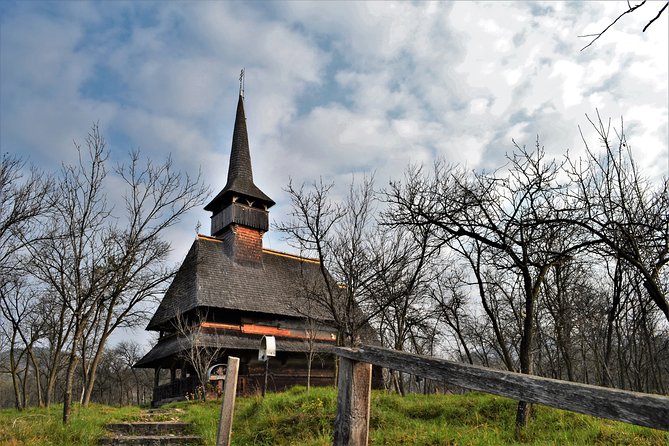
You stop in Ieud village, where you can see two traditional wooden churches. The first is the church on the hill, Orthodox, from the 17th century, UNESCO protected. The second is the church in the valley, Greek-Catholic, often described as the Wooden Cathedral because of its slenderness and balanced proportions. That church was erected in 1718 after the last invasion of Tartars in Maramures, when local peasants led by a priest defeated them in 1717. The church is never painted, but it hosts a rich collection of glass icons.
You then drive to Biertan, home to a fortified church that is UNESCO protected. Built from 1486 to 1524, it has defense walls and a beautiful nave ceiling, plus tombstones of former bishops and notabilities. You get about one hour and admission is included.
The day ends in Sighișoara, with time in the medieval citadel and late afternoon and evening atmosphere. Sighișoara is a UNESCO site and is connected to Vlad the Impaler. Admission is included here, and your time window is about two hours, which is perfect for walking the old layers when the light is softer.
If you like towns you can wander without feeling stuck in museums, this is a strong end to the Maramures-to-Transylvania transition.
Day 6: Viscri’s Saxon calm, Brasov’s Gothic Black Church
Day six is mostly dedicated to the Saxon fortified churches and the countryside around them.
You spend time seeing UNESCO fortified churches of Saschiz and Viscri. On the way from Sighișoara to Brasov, the plan includes lunch time in Viscri, a remote village associated with Prince Charles, who fell in love with the region and bought an old Saxon household there, number 163, a blue house built in 1753. The route also includes views of Rupea fortress, one of Romania’s oldest fortifications, built over preexisting Roman and Dacian fortresses.
Then you reach Brasov, where your schedule focuses on the historical center. You check in, then visit the Black Church, a 14th-century Gothic monument. You also see the medieval fortress fortifications, bastions, and towers, plus Rope Street, noted as one of the narrowest streets in Europe. Admission is included for these core sights, and you get about two hours for the city visit.
This is a good day if you want variety without chaos. You go from village lanes and fortified church walls, to a city with enough energy for evening plans. If you want to push more walking, Rope Street and the fortress area are where you will likely lose track of time.
Day 7: Bran Castle, Peles Castle, and Bucharest’s Stavropoleos
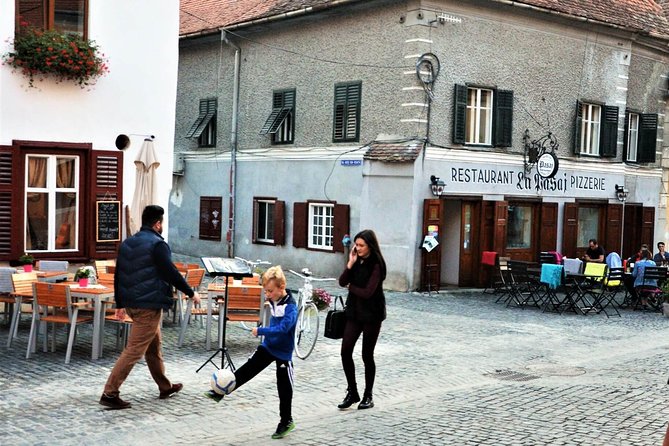
Your final day stays in castle country.
First up is Bran Castle, commonly linked to Dracula’s legend. The tour also builds in scenic scenery by driving over Bran Pass with views of the Piatra Craiului and Bucegi mountains. You get about two hours including the castle visit and time to absorb the setting. Admission is included.
Then you head to Sinaia for Peles Castle, which is a totally different style than Bran. Built at the end of the 19th century, it has flamboyant royal detail, and the tour materials highlight that it contrasts with its founder, Carol I of Hohenzollern-Sigmaringen, the first King of Romania, described as sober in the way the tour frames it. You have about two hours and admission is included.
In the late afternoon you return to Bucharest. After check-in, you have optional time to unwind, plus a short guided visit to Stavropoleos Church, a monastery church built in 1724. Admission is listed as free and your time is about 30 minutes.
This final day is practical. It gets you a classic Romania finish with both legend and royal architecture, then gives you a gentle landing back in the capital.
Price and value: what your money buys here
At $2,185.67 per person for a 7-day, private tour, this is not a budget trip. But you are also paying for three things that add up quickly if you plan yourself: private transport, a guide who manages logistics, and organized admission across a lot of stops.
Here is where the value shows in real life:
- 7 nights of accommodation in 3-star superior hotels and guesthouses, with breakfast included, in double occupancy.
- Daily coverage across multiple regions, which would be a headache to replicate on your own without wasting hours on driving, ticket buying, and route planning.
- At least two lunches and two dinners included, which helps keep the cost of meals from surprising you late in the week.
Also, the tour’s private setup lets you adjust your itinerary to your needs. Even if the schedule stays close to the plan, that flexibility is often what makes the difference between a stressful trip and a smooth one.
What you should keep in mind is what is not included. Meals not specified, photo fees, and flight tickets are not covered. So if you want to budget tightly, it helps to plan for extra meals and any site-specific photo charges.
Who this suits best (and who should rethink it)
This tour is a strong fit if you want:
- A private experience with a guide who gives clear stories and practical recommendations.
- A blend of UNESCO stops, including the wooden churches in Maramures.
- Castle time without turning the entire trip into a Dracula theme park.
It is also a good match for couples or friends who prefer to control their pacing. In the feedback I saw, Gelu gave time for questions, photos, and quiet moments to absorb a place rather than rushing through.
You might want to rethink it if you strongly dislike long car days. This route strings together several distinct regions, and the schedule includes multiple drives. You will still stop frequently for sightseeing, but the travel time between provinces is part of the deal.
Should you book this time-travel route?
If your goal is to see Romania in a way that feels structured and story-driven, I would book it. The biggest reason is the balance: you get the iconic sights in Transylvania, but the trip does not ignore Maramures, where the UNESCO wooden churches and village atmosphere do most of the emotional heavy lifting.
My advice: book this tour if you appreciate guided context, plan to do some walking, and like the idea of pairing famous landmarks like Bran and Peles with quieter, craft-focused places like Surdesti, Ieud, and Biertan. If you can handle a lot of driving days, you will come away with a coherent picture of this region, not just a pile of photos.
FAQ
What parts of the trip start in Bucharest?
The tour begins in Bucharest, with pickup offered either at your hotel or at the airport. It ends back in Bucharest on day 7 with time to visit Stavropoleos Church.
How long is the tour?
It runs for 7 days (approx.).
Is this a private tour?
Yes. It is described as a private tour/activity, so only your group participates.
What is included in the price?
Included are air-conditioned vehicle and private transportation, all fees and taxes for the listed activities, 7 nights of accommodation in 3-star superior hotels and guesthouses with breakfast included, plus lunch (2) and dinner (2).
What is not included?
Not included are meals not listed as included, photo fees, and flight tickets.
Do we visit UNESCO sites during the week?
Yes. The itinerary includes UNESCO World Heritage sites such as Wooden Churches of Maramures (including Surdesti and Desesti), the fortified church sites in Transylvania (including Biertan), and UNESCO citadel/city sites such as Sighișoara.
Are admission tickets covered?
For the main stops listed, admission is marked as free or included in the plan, and the tour also lists all fees and taxes as included.
What is the accommodation like?
You get 7 nights in double occupancy rooms (DBL) in 3-star superior hotels and guesthouses, with breakfast included.
What time window is the tour operating?
The stated opening hours are Monday through Sunday, 8:00 AM to 8:00 PM, for the date range shown.
Is there a refund if I cancel?
The experience is non-refundable and cannot be changed for any reason, and the amount you paid will not be refunded if you cancel or ask for an amendment.
Recently listed in Bucharest
- Village Museum Bucharest Guided Tour★ 5.0 · 6 reviews
- Wine Tasting and Dinner, including Sommelier★ 5.0 · 3 reviews
- Winery touring & private wine tasting – one day private tour★ 5.0 · 3 reviews
- Bucharest: Dealu Mare Winery Private Trip with Wine Tasting★ 4.9 · 6 reviews
- Traditions in Bucharest: Village Museum and Wine Tasting★ 5.0 · 8 reviews
- Transylvania Tour: Dracula’s Castle, Peles Palace & Brasov★ 5.0 · 19 reviews
- Airport Henri Coanda (Otopeni) to Bucharest – Private Transfer – Driver★ 5.0 · 5 reviews
- Discover Medieval Transylvania Small Group Tour – 7 days★ 5.0 · 4 reviews
Maramures Wooden Church Tours, compared.
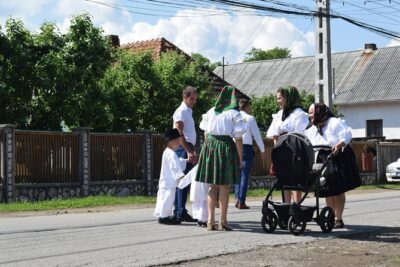
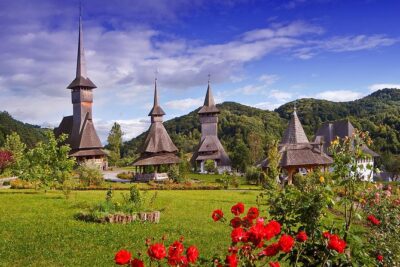
Classic Romania Tour – small group in 8 days: Transylvania and Maramures
Read our review →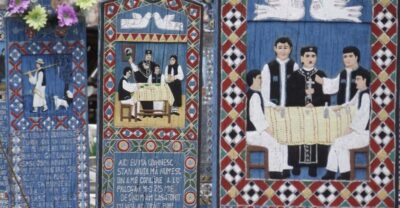
Two days tour to Maramures: local experiences and culture
Read our review →
A Journey Back in Time: Countryside from Transylvania and Maramures – 15 Days
Read our review →
Browse the lists this tour appears in