
REVIEW · FORTIFIED CHURCHES & SAXON VILLAGES
The essence of Saxon Transylvania – 3-day tour of its citadels
Saxon Transylvania is medieval Romania in fast motion. In just three days, I like how this route strings together UNESCO citadels and fortified Saxon churches with castle visits that explain why myths and empires collided here. You’ll also get a real sense of daily life in the Saxon towns, not just photo stops.
The big downside to consider is the pace. You’ll be moving by car between major sites, and meals and photo fees are on you, so budgeting a bit of extra cash and planning your stamina matters.
In This Review
- Key highlights you should care about
- Why Saxon Transylvania works so well in 3 days
- Day 1 from Cozia Monastery to Sibiu’s tower views
- How Biertan fortified church explains Saxon power
- Sighisoara citadel, Clock Tower stairs, and Vlad’s birthplace link
- The road stops near Saschiz and Rupea
- Brasov’s Black Church, bastions, and Rope Street
- Day 3 Bran’s strategic route and Peles’ royal contrast
- Price, what you get for $914.51, and what to budget extra
- The guide factor: Gelu’s English, plus on-the-ground stories
- Who should book this Saxon Transylvania tour
- Should you book it?
- FAQ
- Where does the tour start?
- How long is the Saxon Transylvania experience?
- Is hotel or airport pickup included?
- Is this tour private?
- Are admission fees included?
- What is included in the price besides transport?
- Are meals included?
- What is the cancellation policy?
Key highlights you should care about
- Private group experience with a focus on guided walking through old-town centers and fortifications
- Sibiu’s Council Tower climb for big views over the city and the key plazas
- Biertan Fortified Church (UNESCO) with dramatic defense walls tied to Lutheran history
- Sighisoara citadel sites in sequence including the Clock Tower, hill church, and fortification towers
- Brasov’s medieval core with the Black Church, bastions, towers, and Rope Street
- Bran plus Peles in one day, so you see both Dracula branding and royal-era craftsmanship
Why Saxon Transylvania works so well in 3 days
This is the kind of trip where the map starts to make sense. You begin in Wallachia and then work your way into the Saxon towns where Germans settled and the fortified style took over. The result is a clear story you can actually see: religion, trade, and politics shaped stone, streets, and traditions.
I also like that the tour balances legend with context. Yes, Dracula gets a seat at the table at Bran and through Vlad the Impaler connections, but the stops keep returning to practical reasons: guarding routes, defending churches, and managing power between nations and empires.
The other value piece is the structure. Most visits are timed and guided, so you are not wandering your way into confusion. That matters in towns where there is a lot to see and the streets can feel like they were built to slow you down.
More Transylvania Tours in Bucharest
- Transylvania and Dracula Castle Full Day Tour from Bucharest
★ 4.5 · 1,589 reviews - Castles of Transylvania: Private Day Trip from Bucharest
★ 4.5 · 248 reviews - 2-Day Medieval Transylvania with Brasov,Sibiu and Sighisoara Tour from Bucharest
★ 4.5 · 145 reviews
Day 1 from Cozia Monastery to Sibiu’s tower views
Day 1 starts with a drive through the Olt River Valley, and it sets the tone. Your first stop is Cozia Monastery, founded in 1388 by Mircea the Elder. He was a Wallachian prince, and he is also connected to Vlad the Impaler through family lines, so the tour’s big Dracula thread gets an early, historical anchor.
Cozia Monastery is short and sweet here, and that is a smart move. You get the setting and the lineage without burning your whole day. Admission is free, so you start the trip without feeling like you have to “optimize” every minute.
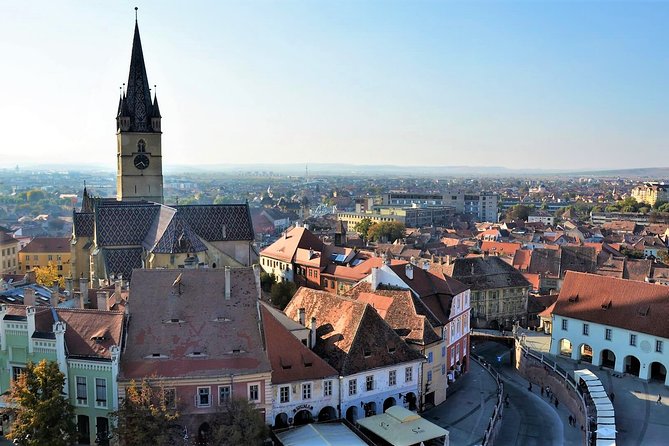
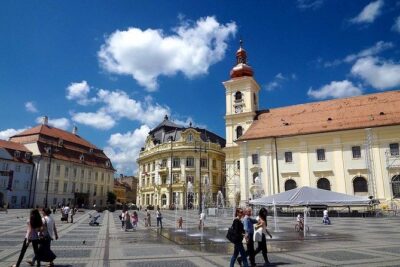
Then you head to Sibiu for a guided walk through the Old Town. I like how the tour includes both the plazas and the churches, because Sibiu is not only pretty, it is also organized. You’ll see the Grand Square, Small Square, and Albert Huet Square, plus time for the Orthodox Cathedral and the impressive Evangelical Church.
One practical payoff is the Council Tower view. The tour highlights climbing the medieval stairs, and that kind of effort is worth it when you can look down and understand the city’s layout. Just wear shoes you trust, because the stairs and old stone surfaces are not the place to test your grip.
How Biertan fortified church explains Saxon power
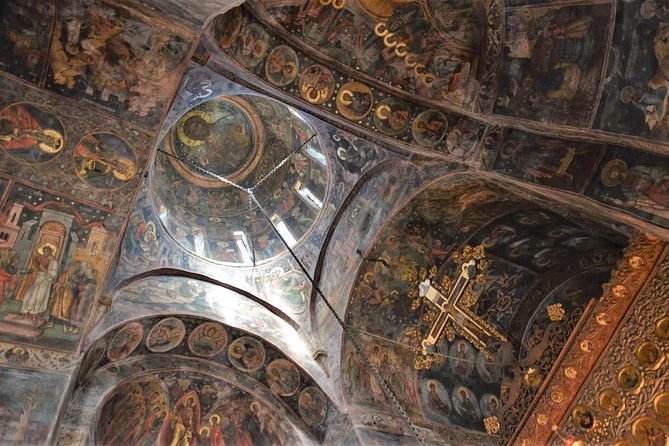
The next day pivots to UNESCO on purpose. Your first major stop is Biertan Fortified Church, and it is not there just to look impressive. It was the seat of the Lutheran bishopric for centuries, so the church was protected with serious fortifications.
Construction dates (1486 to 1524) help you place it in time, which makes the place feel less random. Inside, you can see the nave ceiling and spend time with the tombstones of former bishops and notabilities. That combination is the magic here: you are not just looking at walls, you are reading the community’s structure.
Defense walls can be a “cool fact” you forget five minutes later, but Biertan sticks because the tour ties them to purpose. This is how you understand why Saxon towns built differently from places that felt less threatened.
Admission is included, and the visit time is about an hour, which is a good length for a site like this. You get enough to see the key elements without feeling rushed through the explanation.
Sighisoara citadel, Clock Tower stairs, and Vlad’s birthplace link
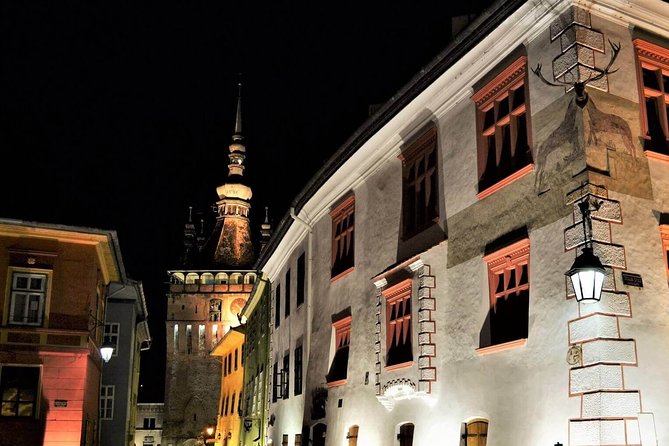
Right after Biertan, you head toward the Sighisoara citadel, another UNESCO site. The tour gives you about two hours here, which is the right window for a place organized around towers, churches, stairs, and fortifications.
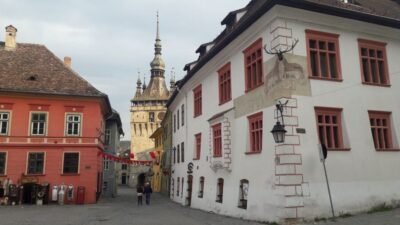
The route through the citadel focuses on the essentials: the Clock Tower, the Church on the Hill, and the stairs and fortification towers. It’s the kind of layout that makes you naturally move upward and outward, so you keep earning better views as you go.
Now for the Vlad connection. Sighisoara is listed as the birthplace of Vlad the Impaler, and the tour connects him back to Mircea the Elder through the family link that starts at Cozia Monastery. I like this approach because it prevents Dracula from becoming a disconnected costume party. You start seeing a chain of people and places rather than isolated “castle for photos” stops.
After lunch in Sighisoara, you continue to Brasov. If you want to take a slow moment, this is a good time. Sighisoara is one of those towns where a few minutes of wandering can feel rewarding, even within a tight itinerary.
More Fortified Church Tours in Bucharest:
- Gems of Transilvania: Brasov,Sighisoara,Sibiu,Viscri and more
★ 5.0 · 6 reviews - Small Group Tour to Viscri Church Sighisoara Town Rupea Fortress
★ 5.0 · 225 reviews - From Brasov: Sighisoara and Viscri UNESCO Day Tour
★ 4.8 · 86 reviews - Secrets of the Citadels: Brașov, Viscri, Sighișoara and Sibiu
★ 5.0 · 52 reviews
The road stops near Saschiz and Rupea
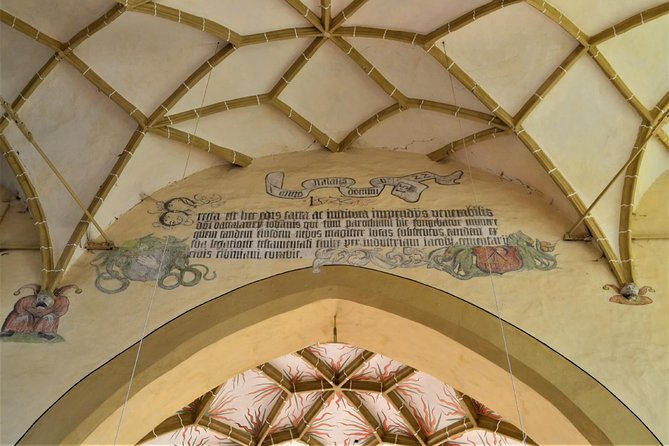
One of the smartest parts of this tour is that the “transfer day energy” is used well. Between Sighisoara and Brasov, you get two stops that add history without turning the drive into an exhausting slog.
First is Saschiz fortified church, also UNESCO, built at the end of the 15th century. The tower is described as reminding you of the Clock Tower you just saw in Sighisoara, so the tour quietly reinforces patterns in Saxon architecture.
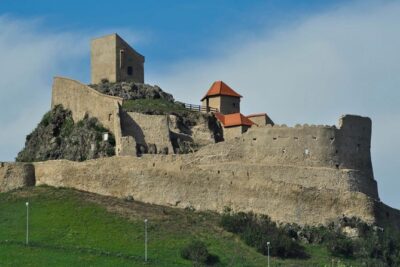
Next is Rupea fortress, one of the oldest fortifications in Romania. It is said to sit over preexisting Roman and Dacian fortresses, which gives you that layered-time feeling. Even if you only see it briefly, the context helps you understand why this region was worth defending long before medieval borders formed.
These are the kinds of stops that make the tour feel like more than a checklist. They explain how fortification culture kept reappearing when control of the land was always up for negotiation.
Brasov’s Black Church, bastions, and Rope Street
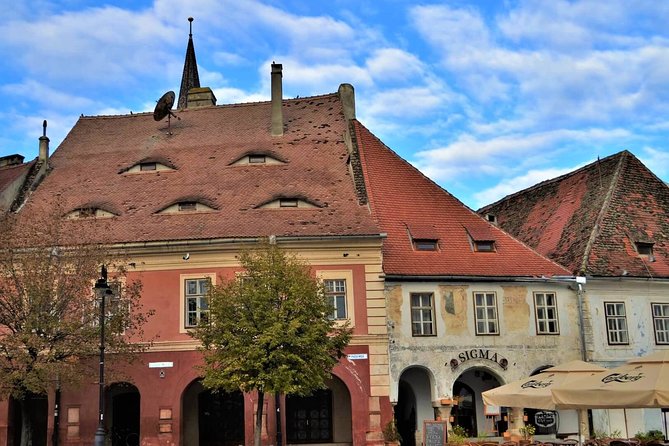
Brasov is where the trip turns from “fortified past” to “lived-in present,” at least in tone. The city grew around an initial fortress established in 1211 by the Teutonic Knights, and later German settlers shaped it further after a quarrel between knights and the king. That origin story matters because it helps explain the mix of styles you’ll notice in the streets.
Your Brasov time is guided, around two hours, after check-in. You’ll visit the Black Church, a 14th-century Gothic monument. You’ll also see the fortress fortifications, bastions, and towers, so you can connect the city’s shape to its defense role.
Then there is Rope Street, described as possibly the narrowest street in the world. Even if you do not confirm the world record, it is still a memorable detail. It gives you a quick, tactile way to picture how people moved, traded, and built when space was limited.
This is also a spot where you can plan your walking energy. Brasov’s center is compact, but you still want comfortable shoes and a short pause scheduled in your head. Old city streets and stairs add up when you are doing castles the next day.
Day 3 Bran’s strategic route and Peles’ royal contrast
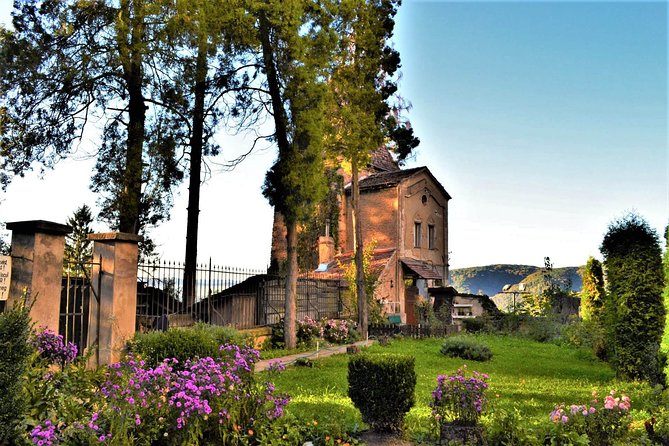
Your final day starts with a quick “from afar” view of Rasnov fortress, built in the 13th century. It is not a full stop in the schedule, but even a distant look helps connect the Brasov region to the broader network of defenses.
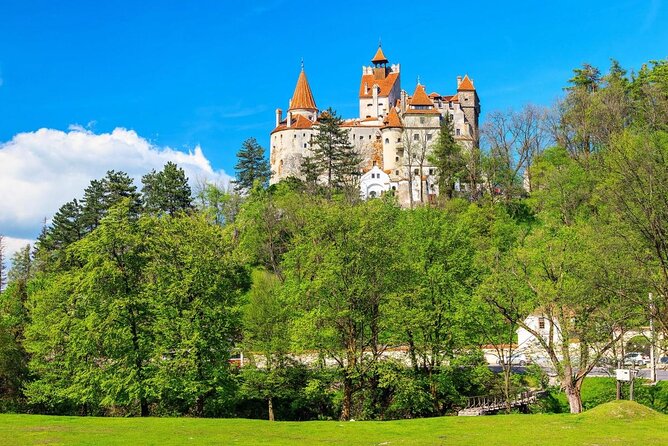
Then you go to Bran Castle, popularly called Dracula’s Castle. The tour frames it with a practical reason: it was built in the 14th century to guard the strategic commercial route between Walachia and Transylvania. That context is key. When you connect Bran to trade and control, the Dracula story feels like a marketing layer on top of real medieval logistics.
You get about two hours here, and admission is included. If you are visiting with Dracula expectations, I’d treat this as a two-part visit: enjoy the legend, but focus your attention on why the castle’s position mattered. That shift makes the experience more satisfying and less one-note.
Next comes Peles Castle in Sinaia. This is the contrast stop, and it works because it arrives after Bran. Peles was built at the end of the 19th century, and it is described as flamboyant, especially compared with the austere reputation of its founder, King Carol I of Romania.
The tour gives you a bit of political context too. Carol I is presented as focused on modernization, with a German background, and his reign lasted 48 years. Even the quote about Queen Elisabeth describing him wearing the crown even while he was sleeping is the kind of detail that makes the castle feel tied to an actual person, not just an object.
You visit Peles in early afternoon, and you’ll have about two hours there. In practical terms, it is a great way to end the trip because you shift from medieval defense to royal-era design, craftsmanship, and style.
Price, what you get for $914.51, and what to budget extra
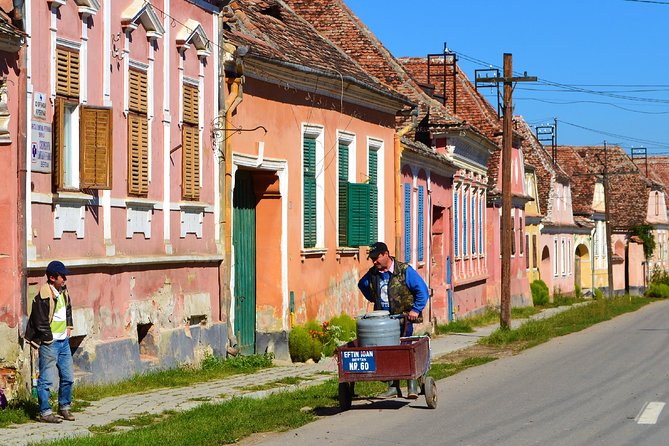
At $914.51 per person for a three-day tour, the value depends on what you would otherwise pay on your own. Here, the tour includes air-conditioned vehicle transport, private transportation, and all fees and taxes. You also get two nights in a 3-star superior hotel or guesthouse with breakfast included.
Then there is the hard-to-replace part: multiple major sites with guided time, including Biertan and Sighisoara under UNESCO umbrellas, plus Brasov’s key sights, Bran, and Peles. Admission is marked as included for several stops, and admission is free for others like Cozia Monastery and Sibiu, which helps keep your spending predictable.
The costs to plan for are straightforward. Meals are not included, and photo fees are not included either. Flight tickets are obviously not included, since the tour starts in Bucharest. If you do not like surprise extras, set aside some daily money for lunch and snacks, and carry cash or card as needed for photo policies at specific sites.
Also keep in mind the tour is private for your group, but there are group discounts and a mobile ticket option. That can matter if you are traveling with family or friends and want to keep costs reasonable while still keeping the schedule tight.
The guide factor: Gelu’s English, plus on-the-ground stories
The best part of this trip is how the history is delivered. In the experiences I’m basing this on, the guide team includes Gelu, and English is highlighted as very strong. You’ll also hear anecdotes, not just dates, which helps turn each stop into a scene you can remember.
Gelu is specifically praised for knowing details and telling stories that make the architecture and people feel connected. Another guide, also named, is mentioned as part of the guiding team, which suggests you get support and smoother pacing rather than one-person juggling logistics.
Bottom line: this is a tour where a good guide changes the experience. If you’re choosing between a DIY day and this route, I’d pick the guided format for the story connections between Mircea the Elder, Vlad the Impaler, and the fortified Saxon world.
Who should book this Saxon Transylvania tour
This fits best if you want a structured overview and you like seeing medieval towns in context. It also works well if you care about the religious and political layers behind Saxon fortifications, not just the Dracula headline.
You’ll likely enjoy it if:
- you want Sibiu, Sighisoara, and Brasov plus Bran and Peles within one sweep
- you like UNESCO sites but still want variety, from churches to castles
- you prefer guided time in old centers, squares, and towers over solo guesswork
You might think twice if:
- you hate packing and prefer long stays in one town
- you want all meals handled for you, since meals are not included
- you are sensitive to spending, because photo fees can add up and meals are extra
Should you book it?
If you want a practical, high-impact route through Saxon Transylvania, I think this is a good call. The combination of citadels, fortified churches, and two very different castles makes the trip feel like more than a theme park version of Romania. And the guide quality, including Gelu’s clear English and story style, is a real value add.
Book it if you can handle a busy three-day pace and you are happy to budget meals and photo fees. Skip it if you want slow travel, zero stairs, or a schedule that leaves big breathing room between stops.
FAQ
Where does the tour start?
The tour is based in Bucharest, Romania, with meeting at your hotel in Bucharest or at the airport.
How long is the Saxon Transylvania experience?
It runs for 3 days (approx.).
Is hotel or airport pickup included?
Yes, pickup is offered from your hotel in Bucharest or from the airport.
Is this tour private?
Yes. It is listed as a private tour/activity, and only your group participates.
Are admission fees included?
Admission is listed as included for some stops (like Biertan Fortified Church, Sighisoara citadel, Brasov sights, Bran Castle, and Peles Castle). Other stops like Cozia Monastery and Sibiu are marked free.
What is included in the price besides transport?
You get air-conditioned vehicle, private transportation, all fees and taxes, plus 2 nights in a double room at a 3-star superior hotel or guesthouse with breakfast included.
Are meals included?
No. Meals are not included.
What is the cancellation policy?
You can cancel up to 6 days in advance for a full refund. Cancel 2 to 6 days before for a 50% refund. Cancel less than 2 days before, and it is not refunded.
Recently listed in Bucharest
- Winery touring & private wine tasting – one day private tour★ 5.0 · 3 reviews
- Village Museum Bucharest Guided Tour★ 5.0 · 6 reviews
- Wine Tasting and Dinner, including Sommelier★ 5.0 · 3 reviews
- Bucharest: Dealu Mare Winery Private Trip with Wine Tasting★ 4.9 · 6 reviews
- Transylvania Tour: Dracula’s Castle, Peles Palace & Brasov★ 5.0 · 19 reviews
- Traditions in Bucharest: Village Museum and Wine Tasting★ 5.0 · 8 reviews
- Airport Henri Coanda (Otopeni) to Bucharest – Private Transfer – Driver★ 5.0 · 5 reviews
- Discover Medieval Transylvania Small Group Tour – 7 days★ 5.0 · 4 reviews
Fortified Churches & Saxon Villages, compared.
Small Group Tour to Viscri Church Sighisoara Town Rupea Fortress
Read our review →
Secrets of the Citadels: Brașov, Viscri, Sighișoara and Sibiu
Read our review →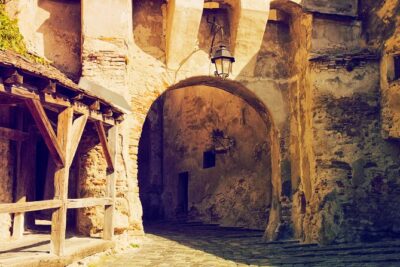
Sighisoara and Viscri Private Full-Day Tour from Brasov
Read our review →
UNESCO TOUR :Sighisoara ,Viscri and Rupea Tour from Brasov
Read our review →
Transylvania Gems: Sighisoara, Medias, Biertan & Gypsy life
Read our review →Browse the lists this tour appears in