REVIEW · BUCHAREST TOURS
Eastern Orthodox Church Art in Bucharest
Orthodox church art feels like time travel. On this 2.5-hour walk, I like how Romanian Orthodox painting turns everyday church walls into vivid storytelling, from frescoes to icons and architectural details. You start near the Old Princely Court and end in a cluster of churches that show how styles shifted while faith stayed constant.
What I also really value is the small-group feel, limited to 10 people, and the way the guide handles the route with a human touch. I especially like the way Helen’s presence comes through in the experience, with flexible pacing and clear explanations in English, Spanish, and Romanian.
The one drawback to plan for is that all stops are active worship spaces, not museum sets. That means modest dress and calm behavior, plus some specific clothing limits you’ll want to take seriously from the first church onward.
In This Review
- Key things to know before you go
- Why this Orthodox art walk feels different in Bucharest
- The 2.5-hour route, built around frescoes and icons
- Meeting point at the Anton icon shop, and why it’s a smart start
- Saint George Km0 on Lipscani Street, where fresco quality becomes the lesson
- Saint Elijah and Lady’s Church, the two stops that feel most “worth it”
- Stavropoleos Monastery and the nearby church finish
- What the guide adds, and why Helen’s approach stands out
- Price and logistics: is $57 worth 2.5 hours?
- Dress rules and church etiquette, so you feel comfortable inside
- Who should book this Eastern Orthodox art tour
- Should you book Eastern Orthodox Church Art in Bucharest?
- FAQ
- Where does the tour meet?
- How long is the tour, and what is the group size?
- Are these churches museums?
- What should I wear or avoid?
- Is food or drinks included?
- Can I cancel for a refund?
Key things to know before you go
- Start at Saint Anton and the Anton icon shop, a practical entry point for understanding Orthodox art
- A focused walk on frescoes and Byzantine-style church decoration, not random sightseeing
- Hard-to-find stops like Saint Elijah and Lady’s Church give you a more “insider” route
- Stavropoleos Monastery anchors the middle of the tour, with nearby historic church architecture
- Small group size (max 10) keeps questions manageable inside narrow church spaces
- Active churches require a modest, respectful mindset, including dress rules
Why this Orthodox art walk feels different in Bucharest
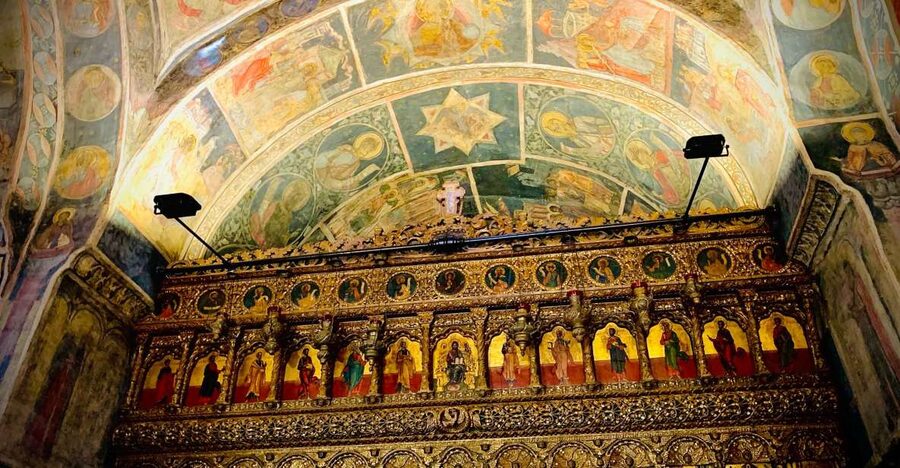
Bucharest can look like a city of layers, but Orthodox church art makes those layers feel personal. You’re not just looking at pretty interiors. You’re seeing how belief shows up in paint, in gold, in icon placement, and in the way walls are organized so the sacred story is never far away.
On this route, you get a tight slice of what Eastern Orthodoxy values visually: order, symbolism, and beauty that helps people pray. The best part is that you walk a real neighborhood corridor, so the churches feel connected instead of isolated photo stops. And because the guide talks you through what you’re seeing, you’ll leave with clearer eyes for what separates styles like Byzantine tradition and later Romanian Orthodox painting.
Also, the timeframe matters. Two and a half hours is long enough to slow down inside churches, but short enough that you won’t feel trapped in a full-day schedule.
More of Bucharest worth a look before you book:
- Bucharest: Dracula’s Castle, Peles Castle, & Brasov Old Town
★ 4.5 · 17,858 reviews - Bucharest: Dracula Castle, Peles Castle & Brasov Old Town
★ 4.6 · 10,891 reviews - Bucharest: Dracula’s Castle, Peleș Castle & Brașov Day Trip
★ 4.4 · 6,100 reviews
The 2.5-hour route, built around frescoes and icons
This tour is a concentrated route through several churches across central Bucharest, starting near the Old Princely Court and moving along major streets toward the church cluster around Stavropoleos. Expect a steady walk, plus time to look closely inside each church.
Price is listed at $57 per person, which is in the midrange for a walking tour that includes multiple active church interiors and a live guide. What makes it feel like good value is the focus. You’re not paying for generic narration. You’re paying for interpretation of Orthodox art, plus a planned sequence that moves from famous, to hard-to-find, to architecturally distinctive.
One more practical point: there’s no food or drinks served. That’s not a dealbreaker, but you’ll want to treat this like an art-first morning or afternoon, then plan a café stop after.
Meeting point at the Anton icon shop, and why it’s a smart start
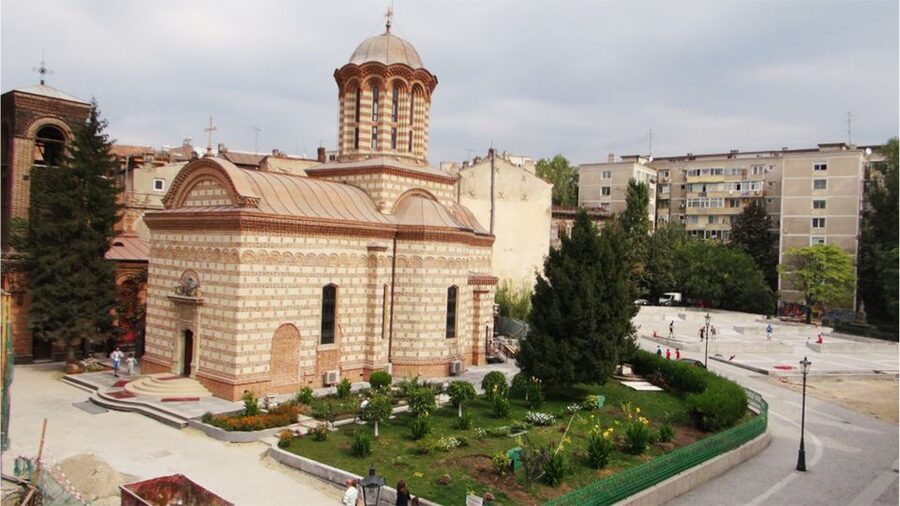
You meet in front of the Anton icon shop. That’s a clever warm-up, because it frames the whole experience around the art people actually live with in daily Orthodox culture.
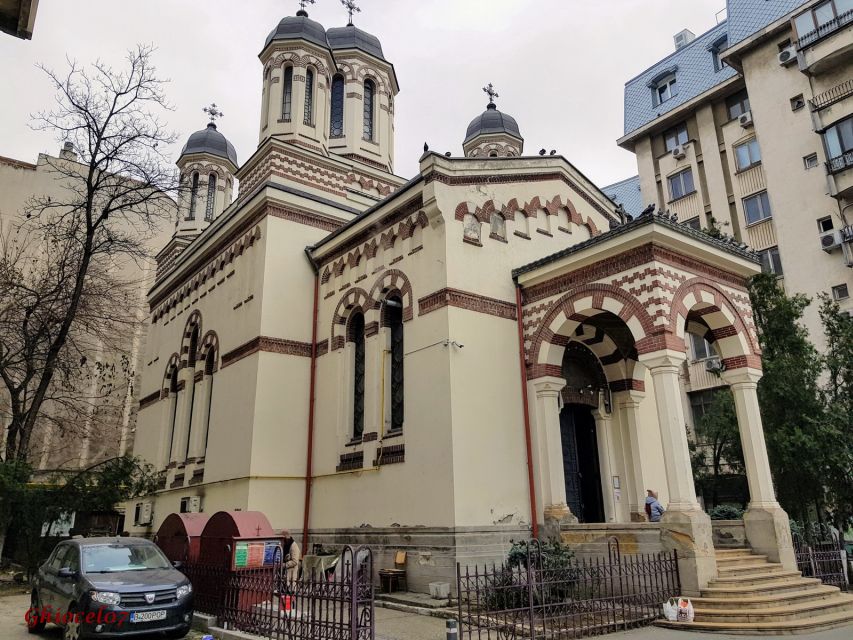
From there, the first major stop is Saint Anton Church, located near the Old Princely Court area. This matters because the neighborhood setting gives you context fast. You’re starting in a part of Bucharest tied to older civic and historical identity, which helps when the guide begins connecting church art to Wallachian-era sensibilities.
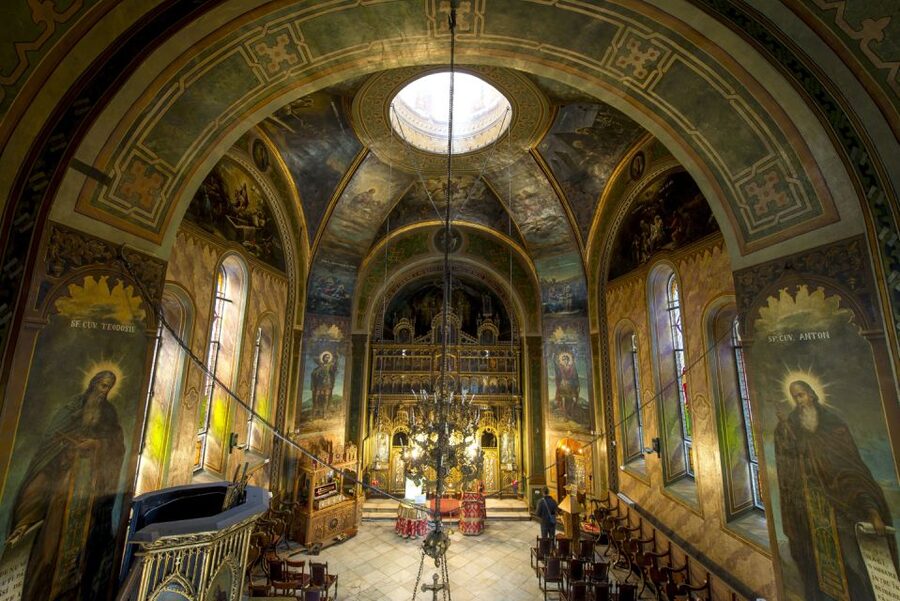
Inside Saint Anton, you’ll be looking at how Orthodox decoration functions as more than decoration. Fresco surfaces and painted figures are meant to guide attention, not just impress from a distance. If you keep your eyes open for composition, you’ll start to see recurring patterns rather than random scenes.
Saint George Km0 on Lipscani Street, where fresco quality becomes the lesson
After Saint Anton, the tour continues along Lipscani Street to Saint George Km0. The name already hints at a sense of place, and the church delivers something specific: a fresco made by one of Romania’s greatest church painters.
Even if you don’t know the painter’s name going in, you can still benefit from how the guide points out what to look for. The goal here is not memorization. It’s training your eye to notice details that change how you experience the church.
What I like about this stop is the pacing. By the time you reach Saint George, you’ve already started understanding Orthodox art as a language. Now you get an example where that language is expressed at a very high level, which makes the rest of the route click.
Practical tip: Lipscani can be busy. Build a small buffer into your arrival, and give yourself time to regroup after crossing into church interiors.
A different sort of day out in Romania:
- Bucharest: Palace of Parliament Tickets and Guide
★ 4.3 · 3,182 reviews - Bucharest: Day Trip to Dracula Castle, Peles Castle & Brașov
★ 4.4 · 3,049 reviews - Bucharest to Dracula Castle, Peles Castle and Brasov Guided Tour
★ 4.5 · 2,933 reviews - Bucharest: Palace of Parliament Tickets and Guided Tour
★ 4.4 · 1,877 reviews
Saint Elijah and Lady’s Church, the two stops that feel most “worth it”
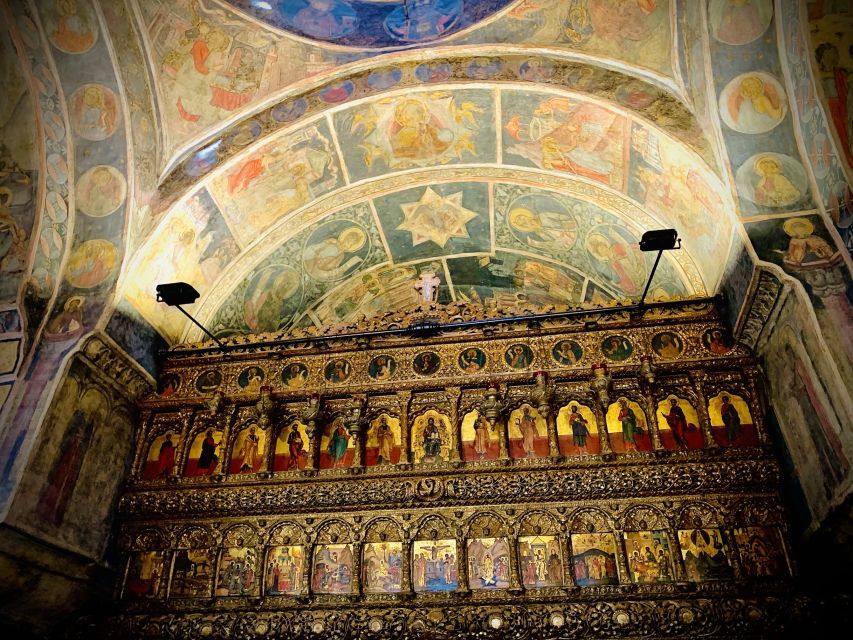
Two of the most interesting parts of the route are also the ones that can be harder to find. The tour includes Saint Elijah, an Orthodox basilica and one of two in the city. That gives the stop extra meaning, because it signals importance within the local landscape rather than being just another address on a map.
Then comes Lady’s Church, highlighted for having some of the oldest preserved original frescoes in Bucharest. This is the kind of detail that changes the experience. When you’re in front of older preserved wall painting, you’re not only appreciating style. You’re seeing continuity. You’re also seeing why preservation matters, since these surfaces are part of living religious use.
What makes these two stops valuable is contrast. Saint Elijah helps you understand the basilica scale and how Orthodox worship architecture shapes what you notice from inside. Lady’s Church shifts the focus to fresco endurance and authenticity.
Also, because both are active churches, you’ll need to keep your behavior respectful and subdued. You can still take in details, but treat the interior like a sanctuary, not a showroom.
Stavropoleos Monastery and the nearby church finish
After the earlier churches, the route lands you at Stavropoleos Monastery. Monasteries tend to feel like a calmer pocket of the city, and Stavropoleos does that for a reason. Even without a long lecture, you’ll feel the difference between a monastery setting and a standalone street church.
The tour then moves to Saint Demetrios, described as a neo-Baroque 19th-century gem nearby. That pairing matters for your understanding. It shows how Orthodox spaces in Bucharest can include later stylistic layers. If all you’ve ever associated with Orthodoxy is one single look, this stop helps you see the city’s artistic shifts without losing the religious core.
The route also includes Saint Cyprian Church as part of the overall circuit. Taken together, these final stops help you recognize how Orthodox art lives in different architectural frames, from fresco-focused interiors to more style-marked church facades and interiors.
What the guide adds, and why Helen’s approach stands out
A huge part of the value here is the live guide. The tour runs in English, Spanish, and Romanian, which matters because you’ll understand the symbolism instead of just hearing general facts.
In particular, Helen is highlighted in feedback for being flexible and personable. That can sound like fluff, but it really matters in active churches. If the guide can adjust pace, manage group flow, and answer questions naturally, you spend less time waiting and more time looking at what matters.
One detail I take from the tour feedback is that the guide pays attention to mobility needs. The experience can be tailored for visitors who use a walking stick or have a crutches situation. If you have mobility challenges, this kind of adaptability is a big plus for choosing a walking tour.
That said, balance is important. One guest reported feeling judged due to their Catholic background. If you’re visiting from a different Christian tradition and you’re sensitive to religious tone, I’d suggest going in with open curiosity, but also trusting your comfort. If something feels off, ask questions and keep your expectations about what kind of conversation you want to have.
Price and logistics: is $57 worth 2.5 hours?
At $57 per person for a 2.5-hour guided walk, this isn’t the cheapest way to see churches in Bucharest. But it’s also not trying to be. You’re paying for a planned sequence of multiple active sites plus a guide who explains what you’re seeing.
Here’s how I judge value for tours like this:
- Multiple stops, not just one church
- Time inside churches, not only exterior photos
- Interpretation of art elements, especially frescoes and Orthodox visual culture
- A small group size that helps you actually hear the guide
With a max group size of 10, you’re less likely to get lost in the back of the group. That translates into better sightlines and better listening inside quieter church interiors.
The tradeoff is that you won’t get food or drinks. If you expect a meal to be part of the package, you’ll be disappointed. If you expect art, context, and a walking route you can repeat on your own later, it’s a strong fit.
Dress rules and church etiquette, so you feel comfortable inside
Because these are active churches, you’ll need to dress and behave appropriately. This isn’t about being stiff. It’s about signaling respect so you can focus on the art and prayer setting.
The tour notes the following restrictions:
- Comfortable shoes
- No short skirts
- No sleeveless shirts
- No tight clothing
- No ripped clothing
- No strong fragrances
- No pets
I also recommend you think ahead about how you’ll handle unexpected warmth inside churches. Breathable layers that still meet the modesty rules are the safest choice.
In terms of behavior, plan to keep your voice low and follow the guide’s lead. If you’re a slow watcher, tell yourself you’ll have enough time. The tour is only 2.5 hours, but it’s structured around looking inside, not sprinting through.
Who should book this Eastern Orthodox art tour
This tour is a great match if you:
- Love frescoes, icons, and the visual language of Eastern Christianity
- Want a walk that connects several churches instead of treating them as random stops
- Like interpretation with a real guide, especially on Byzantine and Romanian Orthodox styles
- Prefer a small group setup over a large bus tour
It’s also a good option for people who like history, but not history as dry dates. The art is the main story, and the religious context is how it makes sense.
You might skip it if you:
- Want a food-centered tour or lots of free time in cafés
- Dislike walking between close-by stops
- Need a very casual, dress-anything sightseeing experience inside places of worship
Should you book Eastern Orthodox Church Art in Bucharest?
I’d book it if you want church interiors with real guidance and if you’re excited by frescoes and Orthodox icon culture. The route is practical, concentrated, and built around stops that each teach a different piece of the visual puzzle, from Saint Anton at the Old Princely Court area to Lady’s Church’s preserved original frescoes, then onward to Stavropoleos and the neo-Baroque finish.
Book it especially if you value a small group. With a limit of 10 people, you’re more likely to feel included rather than swallowed by the crowd.
If you’re unsure, check your comfort with modest dress and active church etiquette, and plan to do a café stop after. With the art focus, the timing makes sense, and it’s the kind of walk you can build on later when you explore more of Bucharest at your own pace.
FAQ
Where does the tour meet?
The tour meets in front of the Anton icon shop.
How long is the tour, and what is the group size?
It lasts 2.5 hours, and the group is limited to 10 participants.
Are these churches museums?
No. All the churches are active, so you’ll need modest dress and respectful behavior.
What should I wear or avoid?
Bring comfortable shoes. Avoid short skirts, sleeveless shirts, tight clothing, ripped clothing, and strong fragrances.
Is food or drinks included?
No food or drinks are served, but you can stop in one of the many cafes, bars, or restaurants nearby.
Can I cancel for a refund?
Yes. You can cancel up to 24 hours in advance for a full refund.
Recently listed in Bucharest
- Winery touring & private wine tasting – one day private tour★ 5.0 · 3 reviews
- Village Museum Bucharest Guided Tour★ 5.0 · 6 reviews
- Wine Tasting and Dinner, including Sommelier★ 5.0 · 3 reviews
- Bucharest: Dealu Mare Winery Private Trip with Wine Tasting★ 4.9 · 6 reviews
- Transylvania Tour: Dracula’s Castle, Peles Palace & Brasov★ 5.0 · 19 reviews
- Traditions in Bucharest: Village Museum and Wine Tasting★ 5.0 · 8 reviews
- Airport Henri Coanda (Otopeni) to Bucharest – Private Transfer – Driver★ 5.0 · 5 reviews
- Discover Medieval Transylvania Small Group Tour – 7 days★ 5.0 · 4 reviews
Bucharest Tours, compared.
Dracula’s Castle, Peles Castle, & Brasov Old Town
Read our review →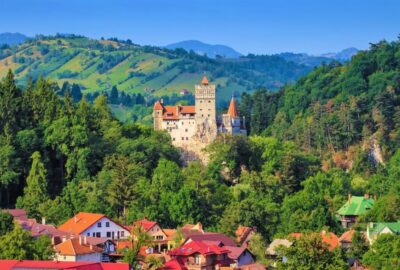
Dracula Castle, Peles Castle & Brasov Old Town
Read our review →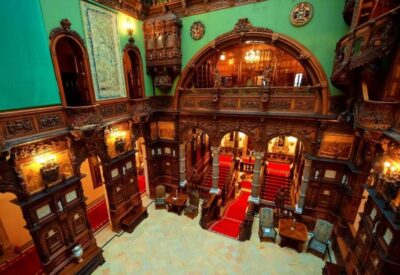
Dracula’s Castle, Peleș Castle & Brașov Day Trip
Read our review →
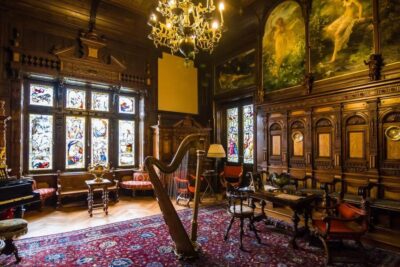
Day Trip to Dracula Castle, Peles Castle & Brașov
Read our review →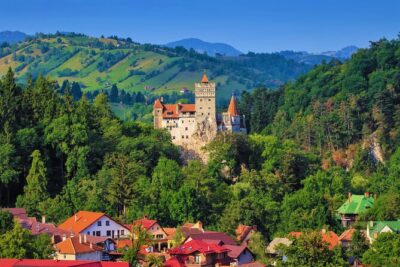
Bucharest to Dracula Castle, Peles Castle and Brasov Guided Tour
Read our review →