REVIEW · BUCHAREST TOURS
Best of Romania in 10 Days
Romania in 10 days means fewer long flights, more real sights. This small-group route strings together UNESCO painted monasteries, Saxon fortresses, big-name castles, and a full Bucharest day without making you constantly figure out logistics.
I like two things most. First, the pace is built for limited vacation time, with nine nights in included hotels and transportation handled end to end. Second, the itinerary mixes iconic landmarks with local-feeling stops, from the Transfagarasan views to salt mine fun underground.
One fair heads-up: this is a lot of moving. Days can start early and you’ll spend serious hours in the vehicle, so it helps to have a calm mindset for “see, drive, see again.”
In This Review
- Key highlights at a glance
- Who this 10-day Romania route fits best
- Price and value: what $2,907.69 really buys
- Day 1: Curtea de Arges, Transfagarasan Highway, and Sibiu’s old center
- Day 2: Corvin Castle, Alba Iulia’s fortress, and the Turda Salt Mine
- Day 3: Bistrita’s Dracula connection and Voronet Monastery’s Blue of Voronet
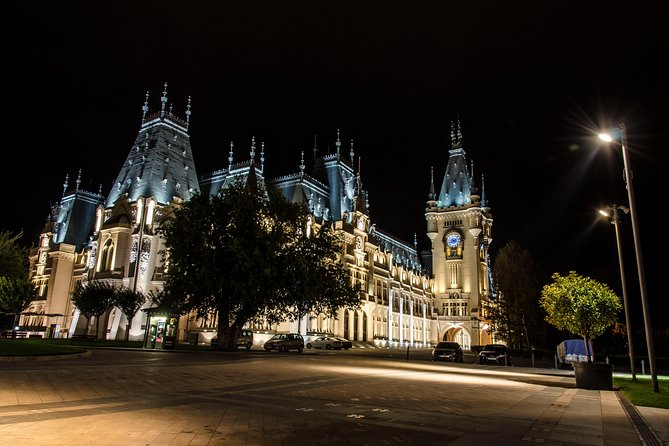
- Day 4: Moldovita and Sucevita UNESCO monasteries, then Iasi at night
- Day 5: Neamt Citadel and Piatra Neamt by cable car
- Day 6: Bicaz Gorges, the Red Lake, pottery Corund, and fortified churches
- Day 7: Viscri fortified church, then Brasov’s historic center
- Day 8: Bran Castle Dracula lore, Peles Castle and Bucharest at night
- Day 9: Palace of the Parliament, Old Town time, and the Village Museum
- Day 10: Otopeni airport transfer when flights line up
- What I think makes this tour work: small group + real storytelling
- Practical tips to make your trip smoother
- Should you book this tour or keep shopping?
- FAQ
- How long is the Best of Romania tour?
- Where does the tour start, and is hotel pickup offered?
- What’s included in the price?
- How big is the group?
- Does the tour include meals besides breakfast?
- What if I need a single room?
Key highlights at a glance
- Max 8 travelers for a more personal rhythm, plus an English-speaking guide who can tailor the pace.
- Nine nights in centrally located hotels so you spend less time commuting on your own.
- Curated UNESCO hits in Bucovina with the famous painted monastery churches.
- Transylvania fortified churches and Saxon heritage towns, not just castle postcards.
- Castles with real context, including Vlad Tepes and how Bram Stoker linked Dracula to this region.
- One full Bucharest day covering both the massive Palace of the Parliament and the Village Museum.
Who this 10-day Romania route fits best
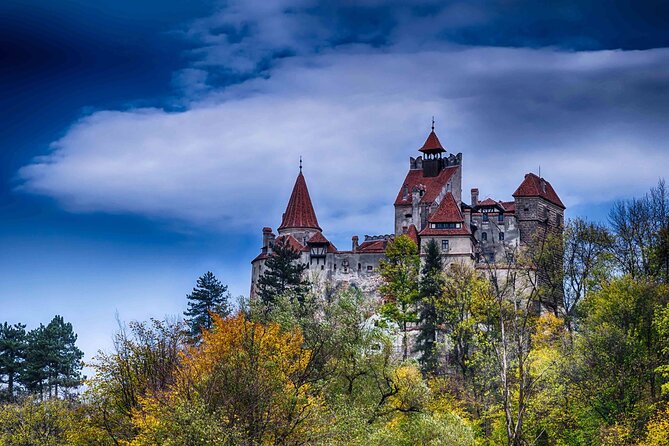
This tour is designed for you if you want a “greatest hits” version of Romania, but still want it to feel organized. The small group size (up to eight people) is key here, because you’re often switching towns and walking through old centers. You’ll have enough time to ask questions, not just follow a line.
It’s also a good match if you care about variety. One day you’re on the Transfagarasan Highway, another you’re underground at the salt mine, then you’re back outside for the Red Lake and the Bicaz Gorges area. And you get a full day in Bucharest, including a visit to the Palace of the Parliament and the Village Museum.
The one type of traveler who should think twice is someone who hates driving days. You’ll see a lot, but you’re also moving almost nonstop for ten days. The tour asks for moderate physical fitness, mostly for walking in historic centers and standing during visits.
More of Bucharest worth a look before you book:
- Bucharest: Dracula’s Castle, Peles Castle, & Brasov Old Town
★ 4.5 · 17,858 reviews - Bucharest: Dracula Castle, Peles Castle & Brasov Old Town
★ 4.6 · 10,891 reviews - Bucharest: Dracula’s Castle, Peleș Castle & Brașov Day Trip
★ 4.4 · 6,100 reviews
Price and value: what $2,907.69 really buys
At $2,907.69 per person (based on double occupancy), you’re paying for a high-contact, all-in-one structure: nine hotel nights, a professional English-speaking guide, modern vehicle transportation, airport pickup and drop-off, entrance fees, and meals including breakfast (9) plus dinner.
You’re not just buying “tickets to places.” You’re buying the routing and the planning that normally takes a lot of effort, especially when you’re covering regions as different as Wallachia, Transylvania, Bucovina, and Bucharest in a single trip.
What you should budget separately: lunch most days, any meals not listed in the itinerary, and alcoholic beverages. Photography fees can also apply at some sights, and they’re not included. If you’re the kind of traveler who snacks quietly rather than doing full sit-down lunches, you’ll likely feel the cost is fair for what you get.
Day 1: Curtea de Arges, Transfagarasan Highway, and Sibiu’s old center
You start with a Bucharest pickup, then you head toward Curtea de Arges, an old Wallachian capital with serious cultural weight. The highlight on day one is Curtea de Arges Monastery, built between 1512 and 1517 and linked to the legend of Manole, a myth about sacrifice and the cost of creating something lasting. Even if you only catch the basics, it gives the region a story spine.
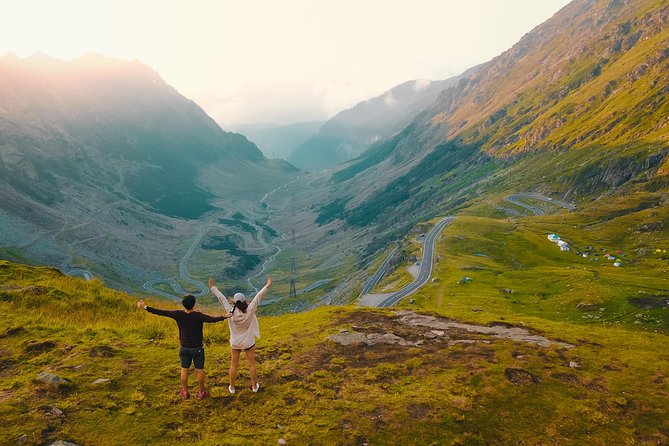
After that, you drive one of Romania’s most famous scenic roads: the Transfagarasan Highway through the Southern Carpathians, crossing high passes around 2,042 meters. This is where your camera gets a workout, but it’s also where you slow down mentally. The views are big, and the road feels like a reward for being patient.
Then the day ends in Sibiu, with a walking tour through the historical center. Sibiu can feel extra atmospheric depending on season, and you’re positioned right in the city fabric for the night, rather than overnighting out in the suburbs.
Day 2: Corvin Castle, Alba Iulia’s fortress, and the Turda Salt Mine
Day two starts in Hunedoara with Castelul Corvinilor, also tied to John Hunyadi (Hunyad Castle). This isn’t just a tall structure for photos. It’s a classic lesson in how castles functioned as power symbols and defensive tools. You’ll get a structured visit, which helps the place make sense quickly.
Next is Cetatea Alba Iulia, where you visit the Alba Carolina Fortress (built 1715 to 1738 in the Vauban style). This part helps you understand Romania’s political layers, including the Union of Transylvania with Romania. Even if you’re not a history buff, fortress walls give you a strong visual anchor.
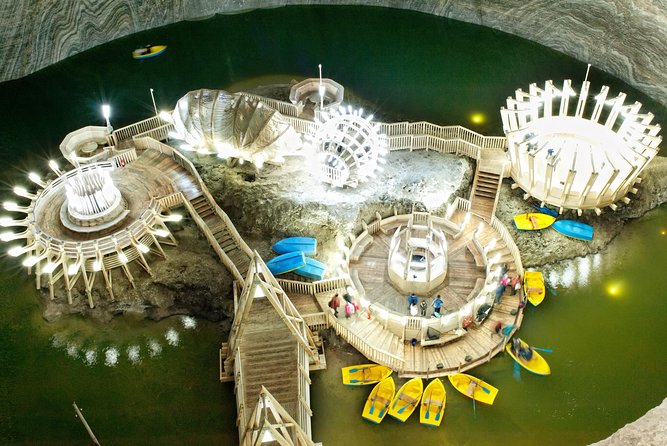
After that comes the surprise that many people remember most: Salina Turda, the Turda Salt Mine. It’s an underground world with multiple levels and a themed park setup, including a Ferris wheel, mini-golf, tennis, and a lake. It’s one of those stops that turns a long day of driving into something you actually enjoy.
You wrap with Cluj-Napoca and a walk in the old city center, then you get free time for local cafes and bohemian-style dining near the hotel.
A different sort of day out in Romania:
- Bucharest: Palace of Parliament Tickets and Guide
★ 4.3 · 3,182 reviews - Bucharest: Day Trip to Dracula Castle, Peles Castle & Brașov
★ 4.4 · 3,049 reviews - Bucharest to Dracula Castle, Peles Castle and Brasov Guided Tour
★ 4.5 · 2,933 reviews - Bucharest: Palace of Parliament Tickets and Guided Tour
★ 4.4 · 1,877 reviews
Day 3: Bistrita’s Dracula connection and Voronet Monastery’s Blue of Voronet
Day three turns toward Bucovina, a region famous for painted church murals. Before you reach that “painted monastery” zone, you stop in Bistrita in the foothills of the Bargau Mountains. This is where Bram Stoker’s Dracula story places Jonathan Harker, at least according to the literary connection noted on the route.
Then you arrive at Voronet Monastery, one of the UNESCO Painted Monasteries of Bucovina, built in 1488. The standout is the signature color called Blue of Voronet. When you’re standing there, it’s hard not to notice how intentional the murals are. You’re seeing a whole visual system, not random decorations.
Even better for your day flow: you take some time during the afternoon and then you reach the hotel in the evening for a traditional Romanian dinner. That dinner matters because it breaks the “only sightseeing” rhythm and gives you a taste of local dining without you having to research where to go.
Day 4: Moldovita and Sucevita UNESCO monasteries, then Iasi at night
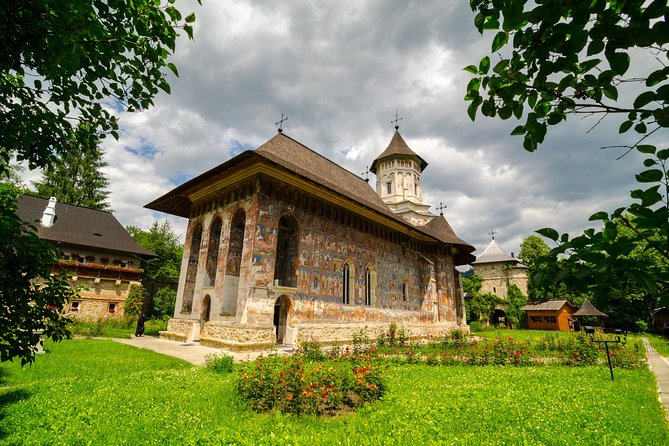
You continue north to two more UNESCO-painted monastery stops. Moldovita Monastery is one of the oldest monastic settlements in the area, built between 1532 and 1537 and listed as UNESCO World Heritage since 1993. It’s a place where you can see the importance of religious art as communication. You don’t need advanced context to feel the weight of the murals.
Then you head to Sucevita Monastery. Built in 1585, it comes with a legend about materials being transported using only carts pulled by oxen, tied to the idea of redemption. Legends like this give you something to look for, beyond simply admiring the paintings.
The day finishes in Iasi, Romania’s second-largest city. You’ll have a short tour and then hotel check-in. This is where it helps that the tour schedule gives you an evening in a real city, not just another roadside stop.
Day 5: Neamt Citadel and Piatra Neamt by cable car
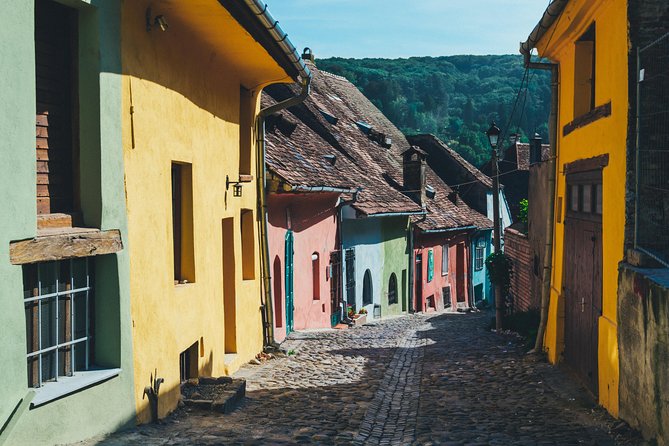
Day five begins with Neamt Fortress, also known as Neamt Citadel, built during the reign of Peter I (1375 to 1391). Fortress visits can be dry if the guide doesn’t give context, but here the structure of the day makes it easier to connect what you see with how the region lived.
After that, you reach Piatra Neamt and do something fun and practical: a cable car ride before checking in. If you’ve been walking all day in stone towns, a cable car provides a reset. You also get different vantage points without exhausting yourself.
This day is a good pacing counterweight. You still get history, but the cable car adds a “breathing space” element.
Day 6: Bicaz Gorges, the Red Lake, pottery Corund, and fortified churches
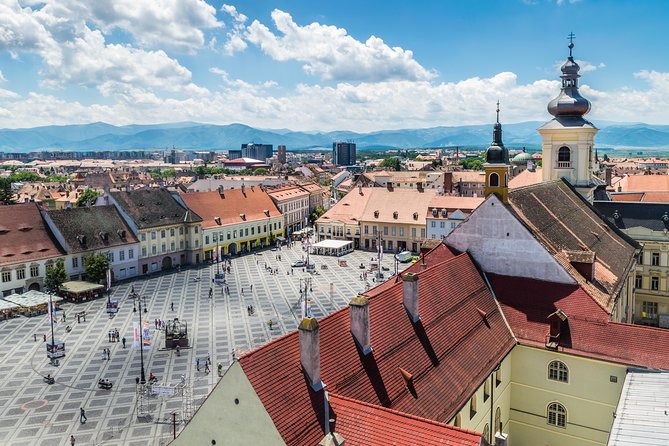
This is a long day, but it’s loaded with contrast. You pass through the Bicaz Gorges, then reach the Red Lake, known for its unusual reddish color. The tour notes that the lake formed in 1837 after storms fractured Mt. Ucigasu and blocked streams, leaving deposits with a red tint. It’s one of those places where nature tells a story that feels very local.
Next is Corund, one of Transylvania’s main pottery centers. Here you’re stepping into craft, not just architecture. The tour route focuses on how clay is extracted from nearby streams and how pottery connects with woodworking and trade. It’s the kind of stop that helps you see Transylvania as a living place.
Then you visit Biertan Fortified Church, a UNESCO Village with Fortified Churches of Transylvania. Saxon colonists settled there in the 13th century and the area’s soil suited winemaking. That detail matters, because it ties agriculture to fortification. People fortified what sustained them.
Finally you reach Sighisoara, the last inhabited citadel in Europe, a UNESCO World Heritage site. The city feels like time compressed into streets you can walk.
Day 7: Viscri fortified church, then Brasov’s historic center
Day seven starts in Viscri, a village known for traditions preserved over time. It’s also famously connected to Prince Charles and the way he was drawn to the simplicity of the area. You’ll visit the Viscri Church, and you’ll also get to meet women recognized for their culinary skills.
Then you move to Brasov, where you take a short walking tour of the historical center. Brasov is a perfect “recenter” stop after days of smaller sites, because you get the feeling of a lively town while still staying in old-town zones.
This day works well because it balances handmade culture with big-city energy. It gives you a chance to do some casual wandering with less pressure than earlier days.
Day 8: Bran Castle Dracula lore, Peles Castle and Bucharest at night
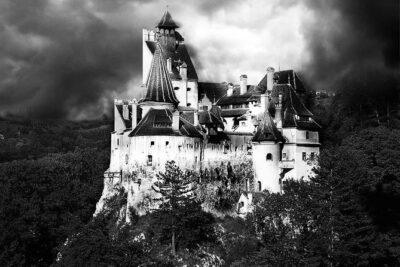
Day eight is two strong castle days in a row, plus a return to Bucharest for the evening. First is Bran Castle, associated with Dracula lore through Bram Stoker. You’ll get the story thread connecting Vlad Tepes and how Stoker’s Dracula gained fame through this setting. Even if you’re not chasing horror fiction, it’s worth seeing because Bran is loaded with political symbolism and medieval showmanship.
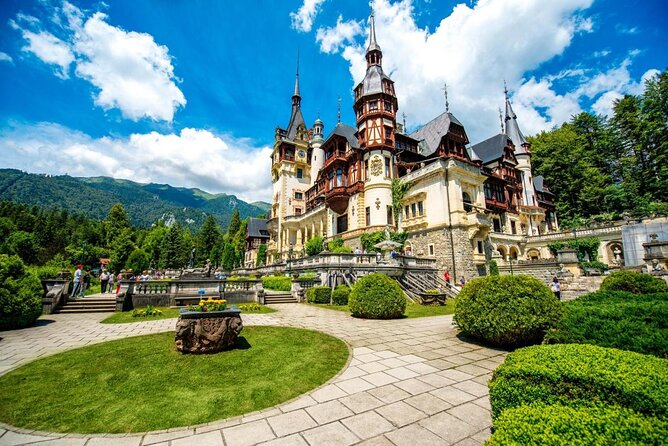
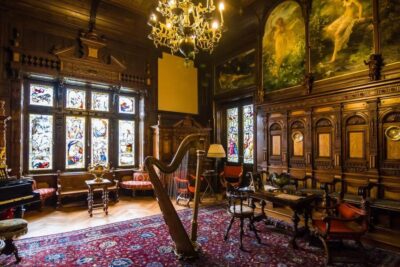
Next is Peles Castle in Sinaia. The tour route highlights that it was the first fully electrified castle in Europe, and it also mentions its size, 160 rooms, and large collections, including European and Oriental weaponry and a major art collection. You’re not just looking at a castle, you’re touring a curated collection of what wealth and taste looked like.
Then you head back to Bucharest at night. That matters because it prevents the trip from ending in fatigue. You’ll have at least one full day ahead to explore at the city pace.
Day 9: Palace of the Parliament, Old Town time, and the Village Museum
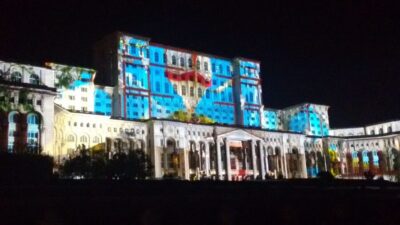
This is your big Bucharest day. You start at the Palace of the Parliament, described as the second-largest building in the world. It was part of Nicolae Ceausescu’s communist-era project to house government functions and also designed to withstand major disasters like earthquakes and nuclear attacks. Love it or hate it, the scale hits you quickly. Buildings this large force you to think about power and planning in a very physical way.
After the palace tour, you head to Bucharest’s Old Town for lunch time and free time. This is where you can slow down and choose your own pace.
Then you visit the Bucharest Village Museum, opened first in 1936, spread over about 14 hectares, with hundreds of monuments and a huge collection of traditional objects and archived documents. It’s one of the best ways to understand Romanian everyday life in one place, especially on a day when your head already has a lot of political architecture.
Day 10: Otopeni airport transfer when flights line up
On your last day, you get an airport transfer to OTP Parking, Otopeni, based on your flight schedule. This is the type of detail that makes a tour feel smoother. You are not left guessing about timing or how to get out of the city.
What I think makes this tour work: small group + real storytelling
The “best of Romania” label could be marketing fluff on another operator. Here, the small group size is a real advantage. Up to eight people means less noise, fewer misunderstandings, and better chances to ask follow-up questions in moments that matter, like during fortress and monastery visits.
The biggest praised asset is the guide experience. One guide named Emil stands out as an example of how the storytelling can be both historical and funny. When a guide adds local jokes and ties traditions to what you are seeing, long driving hours feel less like downtime and more like a moving classroom. Add excellent driving, and suddenly Transylvania and the Carpathian roads feel less stressful.
This is also why the itinerary feels balanced. You’re not stuck only in capitals or only in castles. You get castles, yes, but also monasteries, craft villages, and a city museum that explains how people actually lived.
Practical tips to make your trip smoother
- Wear comfortable shoes. Historic centers and citadels mean stairs and cobblestones.
- Bring a light jacket or layers. Mountain areas and gorges can feel cooler, especially in shoulder seasons.
- Plan for a packed rhythm. If you like long late mornings, you may find some days a bit intense.
- Keep some cash or a card ready for meals not included, especially lunch.
- If you care about photos, ask ahead if any photography fees apply at specific stops. It’s not included.
- You’ll get breakfast daily for nine days and one traditional dinner noted on the route, but you should still expect many lunches on your own.
Should you book this tour or keep shopping?
Book it if you want one guided route that hits Romania’s major regions in ten days, with hotels and entrances handled and a small group keeping it human. It’s especially strong if you like stories that connect what you see with why it mattered, and if you want a mix of castles, UNESCO churches, underground sights, and a full Bucharest day.
Skip it, or at least compare alternatives, if you are the kind of traveler who hates long driving days or wants lots of free time to roam without a schedule. This tour gives you less solo flexibility than a slow rail-and-stay plan.
FAQ
How long is the Best of Romania tour?
It runs for about 10 days.
Where does the tour start, and is hotel pickup offered?
The tour starts at 9:00 am, with pickup from any hotel in Bucharest.
What’s included in the price?
The tour includes accommodation for 9 nights in centrally located hotels, a professional English-speaking guide, transportation with a modern vehicle, airport pickup and drop-off, entrance fees, dinner, and breakfast for 9 days.
How big is the group?
The tour has a maximum of 8 travelers.
Does the tour include meals besides breakfast?
Yes. Breakfast is included for 9 days, and the itinerary also includes dinner. Other meals are not included, and alcoholic beverages are not included.
What if I need a single room?
The price shown is based on two people sharing a double room. If you want a single room, there is a single supplement fee.
Recently listed in Bucharest
- Village Museum Bucharest Guided Tour★ 5.0 · 6 reviews
- Wine Tasting and Dinner, including Sommelier★ 5.0 · 3 reviews
- Winery touring & private wine tasting – one day private tour★ 5.0 · 3 reviews
- Bucharest: Dealu Mare Winery Private Trip with Wine Tasting★ 4.9 · 6 reviews
- Transylvania Tour: Dracula’s Castle, Peles Palace & Brasov★ 5.0 · 19 reviews
- Traditions in Bucharest: Village Museum and Wine Tasting★ 5.0 · 8 reviews
- Airport Henri Coanda (Otopeni) to Bucharest – Private Transfer – Driver★ 5.0 · 5 reviews
- Discover Medieval Transylvania Small Group Tour – 7 days★ 5.0 · 4 reviews
Bucharest Tours, compared.
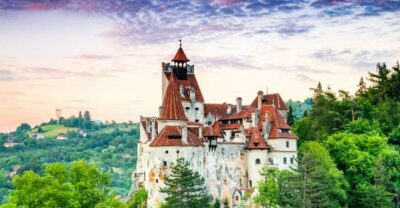
Dracula’s Castle, Peles Castle, & Brasov Old Town
Read our review →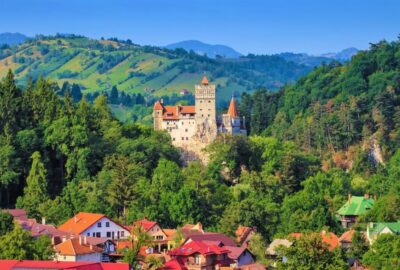
Dracula Castle, Peles Castle & Brasov Old Town
Read our review →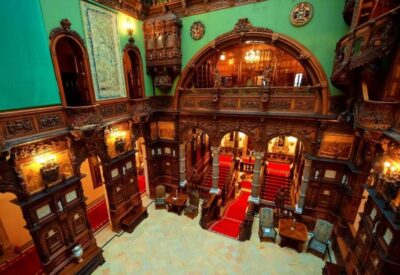
Dracula’s Castle, Peleș Castle & Brașov Day Trip
Read our review →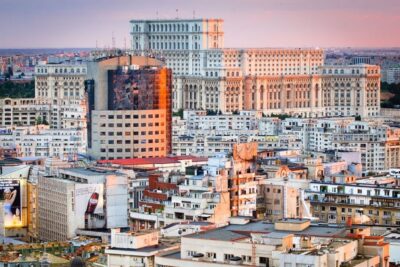
Day Trip to Dracula Castle, Peles Castle & Brașov
Read our review →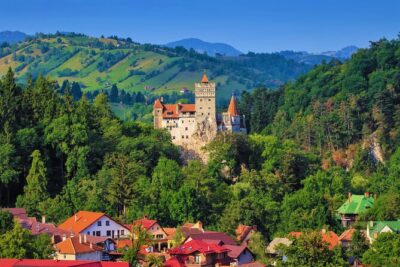
Bucharest to Dracula Castle, Peles Castle and Brasov Guided Tour
Read our review →