
REVIEW · TRANSYLVANIA TOURS
6 Days Transylvania and Bukovina Small Group Tour from Bucharest
Six days, and Transylvania starts feeling personal. I like that this route is built for story with a licensed guide driving and explaining, not just checkpoint sightseeing. I also love the small group size (max 7), which makes long days in Romania feel smoother, especially when you hit popular sites.
The main drawback to plan around is cost creep: entrance fees are not included, and the itinerary includes several ticketed monuments. You’ll also need to follow a strict dress code for places of worship and selected museums, so if you show up in shorts or a sleeveless top, you may get refused entry.
In This Review
- Key Points to Know Before You Go
- Why This Guided Transylvania and Bucovina Route Works
- Price and Logistics: What You’re Really Paying For
- The Small-Group Format (Max 7) and Why It Matters
- Dress Code and Site Etiquette You Must Plan For
- Day 1: Cozia Monastery Then Medieval Sibiu Squares
- Day 2: UNESCO Sighisoara, Targu Mures Baroque, and Bistrita Gothic
- Day 3: Painted Bucovina Monasteries and Marginea Black Ceramics
- Day 4: Bicaz Gorges, Red Lake Legends, and Carpathian Views
- Day 5: Brasov Fortified Center, Black Church, and Bran Castle
- Day 6: Peles Castle and Bucharest’s Big Sights
- What to Budget Extra: Entrance Fees and Single Rooms
- Who Should Book This Tour (and Who Might Not)
- Should You Book This Transylvania and Bucovina Small-Group Tour?
- FAQ
- How long is the tour?
- Where does the tour start?
- Is pickup included?
- What is the group size?
- How many breakfasts are included?
- Are hotel rooms included?
- Are entrance fees included?
- Is there a dress code?
- Is a single room available?
- What happens if the weather is bad?
Key Points to Know Before You Go
- Max 7 people for a calmer pace and more personal guide time
- Guide-driver setup so logistics and timing stay tight
- Bucovina painted monasteries like Voronet and Moldovita, plus Marginea ceramics
- Transylvania hits including Sibiu, Sighisoara, Brasov, Bran, and Peles
- Budget for entrances since ticket prices are your responsibility
- Dress code is real (cover knees and shoulders)
Why This Guided Transylvania and Bucovina Route Works
Trying to see Transylvania on your own can feel like you’re reading a brochure instead of understanding the place. This tour is designed to connect the dots: who lived where, why borders mattered, and why those monasteries look the way they do. It’s the difference between seeing a church and understanding the communities that built it.
I also like the practical setup. You travel in an air-conditioned vehicle with a professional licensed guide who is also your driver. That matters in Romania because you spend real time on the road, and having someone manage the flow keeps you from losing half-days to confusion.
And yes, Dracula stops are part of the package. But the value is that the Dracula theme is woven into the border history and local culture, not sold as pure horror-page entertainment.
More Transylvania Tours in Bucharest
- Transylvania and Dracula Castle Full Day Tour from Bucharest
★ 4.5 · 1,589 reviews - Castles of Transylvania: Private Day Trip from Bucharest
★ 4.5 · 248 reviews - 2-Day Medieval Transylvania with Brasov,Sibiu and Sighisoara Tour from Bucharest
★ 4.5 · 145 reviews
Price and Logistics: What You’re Really Paying For
At $1,163.56 per person for about 6 days, this isn’t a budget trip. The value comes from bundled things that usually cost extra: 3 and 4-star hotel nights, transport, and a licensed guide for the whole run. The tour also includes breakfast for 5 mornings, which helps you control your daily spending.
What is not included is just as important. Entrance fees are not included, so expect to pay tickets for castles, churches, and monasteries where required. Tips for the driver and guide are also not included, and there’s a single-room supplement of 120 euro, paid locally.
If you’re comparing options, don’t only look at the headline price. Ask yourself whether you want to pay for convenience up front, or trade money for time and extra planning on your own.
The Small-Group Format (Max 7) and Why It Matters
A group capped at 7 people is not just a number. It changes how your day feels. On a route like this, you’ll move between towns, do walking tours, and take in long stretches of countryside. A small group means fewer delays at meeting points and less crowding during guided explanations.
It also helps with timing. When a stop has lines or limited entry windows, your guide can adjust how you approach the site. In past groups, guide George has been praised for getting people ahead of lines when possible. If you have him, that’s a real advantage.
If you’re traveling solo, this small-group style can also be more comfortable. You’re not stuck in a big bus crowd where you barely hear your guide.
Dress Code and Site Etiquette You Must Plan For
This tour includes places of worship and selected museums, and the dress code is clear. No shorts, no sleeveless tops, and you need knees and shoulders covered for both men and women. If you ignore it, you might be refused entry, and that can throw off your day.
Pack light layers you can pull on quickly. A thin long-sleeve top or a scarf can save your schedule. Also, keep comfortable walking shoes ready, because you’ll do tours and viewpoint walks at multiple stops.
A different sort of day out in Romania:
- Bucharest: Dracula’s Castle, Peles Castle, & Brasov Old Town
★ 4.5 · 17,858 reviews - Bucharest: Dracula Castle, Peles Castle & Brasov Old Town
★ 4.6 · 10,891 reviews - Bucharest: Dracula’s Castle, Peleș Castle & Brașov Day Trip
★ 4.4 · 6,100 reviews - Bucharest: Palace of Parliament Tickets and Guide
★ 4.3 · 3,182 reviews
Day 1: Cozia Monastery Then Medieval Sibiu Squares
Day 1 starts with a strong cultural anchor: Cozia Monastery in the Olt Valley. It’s a 14th-century Wallachian monument founded by Mircea Il the Old, then restored in the 17th century by the Cantacuzinos. What you’ll notice right away is the Armenian decoration on the façade, plus frescoes inside that make the church feel like a living art lesson.
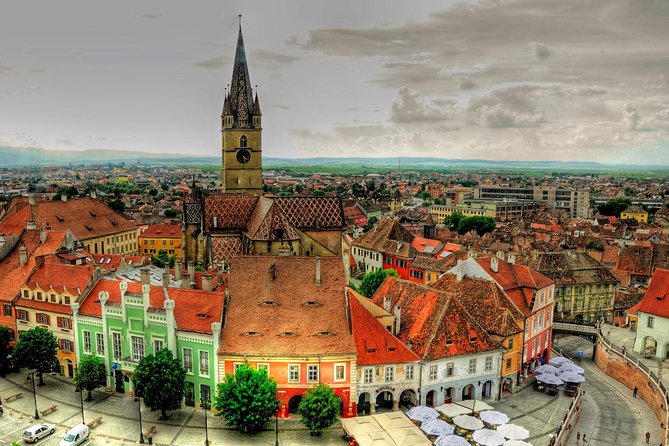
After Cozia, you head to Sibiu, a medieval city shaped by Romanians and Saxons living side by side for centuries. This is where you get a practical lesson in coexistence, since the religious monuments reflect multiple traditions in one area. Sibiu’s layout is part of the charm, with three main squares: Big Square, Small Square, and Huet Square. The city also features towers and 15th-century bastions, plus museums and those famous houses with the eyes.
If you like walking cities, Sibiu is a great start because it feels compact and old right away.
Day 2: UNESCO Sighisoara, Targu Mures Baroque, and Bistrita Gothic
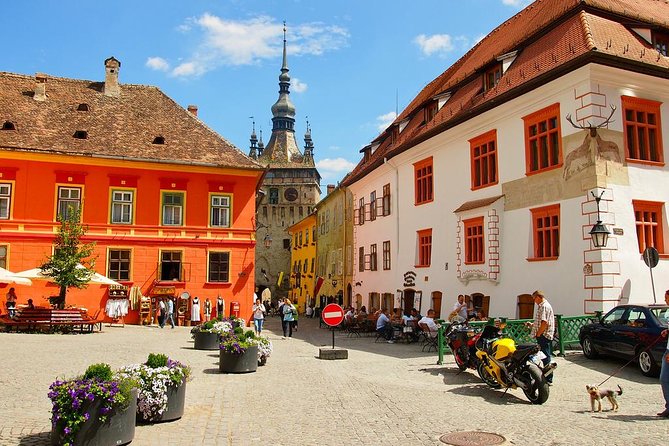
Sighisoara is one of the highlights for a reason. You’ll visit the historic center of Sighisoara, a UNESCO site since 1999 and described as one of the best preserved historic citadels in Europe, still inhabited. The iconic Clock Tower sets the scene.
You’ll also see the church on the hill, accessed by a wooden staircase called the schoolchildren’s ladder. That small detail makes the place feel human, not staged. Other stops include the statue of Hungarian poet Sandor Petofi, and a Catholic church tied to the Hungarian community, plus the tower of the shoemakers.
There’s an option for lunch at the house where Vlad the Impaler was born, but it’s not included. If you care about the Vlad connection, plan extra money and time.
Next you go to Targu Mures, where baroque architecture dominates. The Palace of Culture is the visual anchor here, and the Hungarian presence remains strong in the area’s historic buildings and design tradition.
Finally, you’ll arrive in Bistrita for a walking tour, including the Lutheran church from the 14th century in Gothic style, later remodeled with Renaissance elements. It’s a good day if you like layers of time showing up in the same building.
Day 3: Painted Bucovina Monasteries and Marginea Black Ceramics
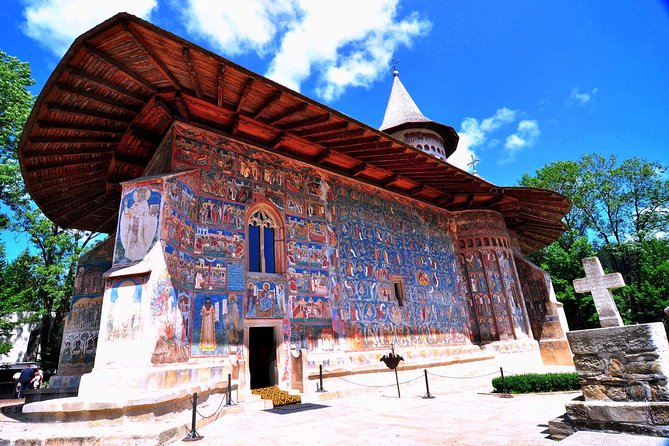
Day 3 is where the tour shifts into the region many people come for: Bucovina monasteries. These places are famous for frescoes, and this day delivers multiple examples.
First is Moldovita Monastery, founded by Pietro Rares in the 16th century. The interior and exterior frescoes are the main draw, and the short time you have still gives you a chance to see the style and the storytelling on the walls.
Then you head to Sucevita Monastery, founded by the Movila brothers in the 17th century. It combines Gothic and Byzantine elements into what’s described as a Moldovan architectural style. One practical note, the frescoes on the northern façade have stayed visible because of protective walls that were never demolished.
After monasteries, the itinerary adds something hands-on: Marginea black ceramics. You’ll visit local artisans who work with famous black ceramic, and you can enter the workshop to watch different phases of making pots. If you like buying useful souvenirs that actually reflect local craft, this is a strong stop. You can also find painted eggs and decorated items using traditional Romanian techniques.
The day ends at Voronet Monastery, nicknamed the Sistine Chapel of the Carpathians for a reason. It’s known for a distinctive, unique deep blue color and fresco tradition associated with Stephen the Great. Even if you’re not a religious art specialist, it’s easy to understand why this one gets its nickname.
Day 4: Bicaz Gorges, Red Lake Legends, and Carpathian Views
Day 4 turns scenic. You’ll stop in Piatra Neamt, described as a ski resort area with a citadel tied to Stephen the Great in the 15th century. You’ll also see an 18th-century synagogue. The stop is short, but it breaks up the monastery-heavy day before you move into nature.
Then comes Bicaz Gorges, with cliffs and a road that runs alongside a stream. The scenery is the point here, plus a market along the route where you can browse typical handicrafts and souvenirs. It’s a nice moment because it adds local texture instead of only mountain views.
Next is Red Lake, a natural barrier lake formed after a landslide. The eerie detail is that trunks of trees are still present in the lake, which helps create an atmospheric setting. You’ll also hear the legends tied to the lake’s name during your visit, so it’s not only pretty scenery.
The day continues through a scenic road with views of the Carpathian chain and finishes with arrival toward Miercurea Ciuc. This area is nicknamed the Siberia of Romania for low temperatures and the landscape feel. Even if the weather is mild when you go, you’ll sense you’re up in cooler, mountainous territory.
Day 5: Brasov Fortified Center, Black Church, and Bran Castle
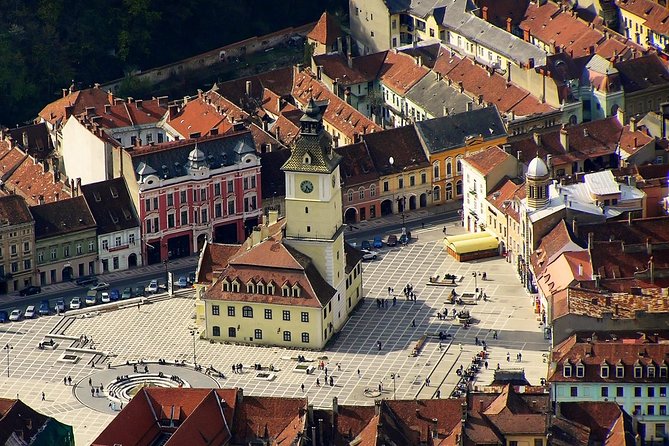
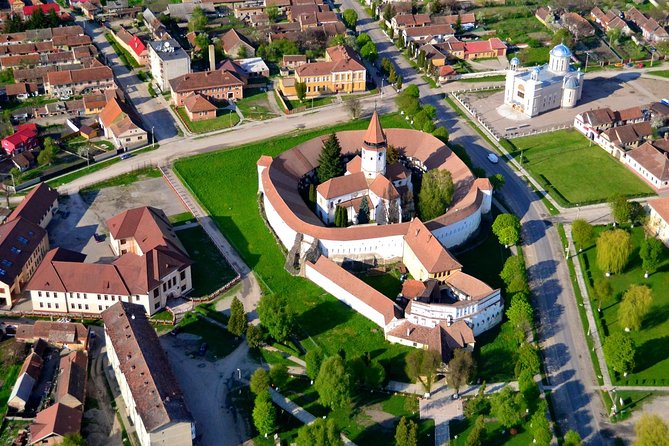
Brasov is one of the anchors of Transylvania. You’ll explore the Brasov historical center, a town once fully fortified and now a major cultural, tourist, and commercial hub. The architecture reflects German influence, with Gothic, Baroque, and Renaissance mixing together in the same streetscape.
You’ll also visit the First Romanian School in the Schei district, which was inhabited exclusively by Romanians. The Schei district area ties the story to medieval city entrances too, including the Caatherine’s Gate and the Schei Gate, described as last completed in the 19th century.
Next you’ll see the Black Church. It’s one of those stops that’s worth paying attention to even if you’re not deeply into architecture, because it anchors the city’s identity.
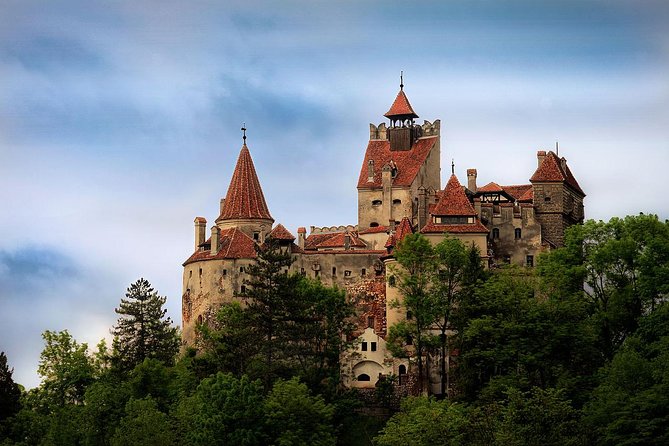
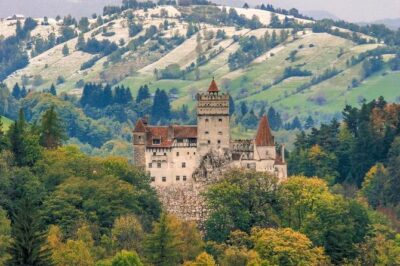
After Brasov comes Bran Castle, commonly associated with Dracula. The tour frames Bran’s real historical role more than the legend: in the Middle Ages it sat on the border between Wallachia and Transylvania, so a defensive stronghold made practical sense. If you want Dracula vibes, you get them. If you want history, you also get it.
You’ll arrive in Sinaia late evening, setting up the final castle day.
Day 6: Peles Castle and Bucharest’s Big Sights
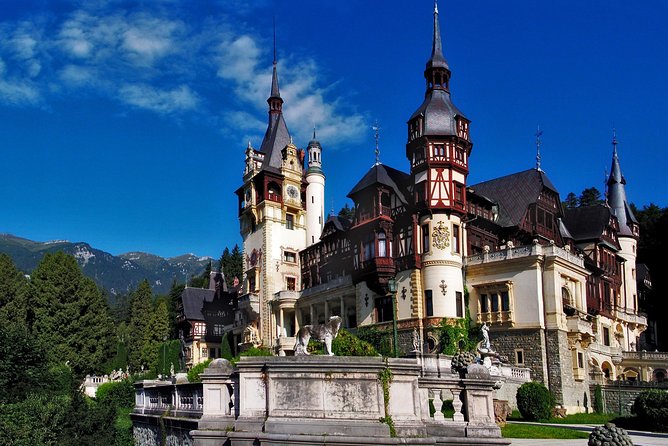
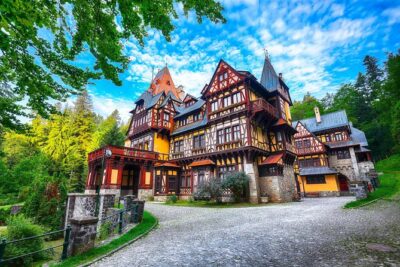
Start the day with Peles Castle in Sinaia, the summer residence of Romania’s first king, King Charles I of Hohenzollern, with German origins. Peles is described as famous and visually detailed, designed by a Czech architect, and known as one of the more modern castles in Europe at the time of its construction between the 19th and 20th centuries.
What I like about the way this stop is presented is the interior focus. Each room has a unique style, different from the rooms around it, including a Florentine room with an Italian Renaissance feel.
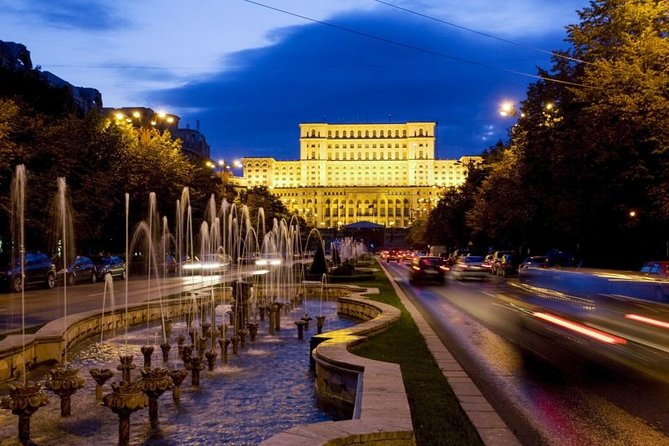
After Peles, you head back to Bucharest for a panoramic tour. You’ll pass major landmarks including the Triumph Arch, the Atheneum, Revolution Square, and Parliament Palace. It’s not a deep museum day, but it’s a useful orientation if Bucharest is new to you.
Then the trip ends, with your final impression being a mix of Carpathian castles and big-city history.
What to Budget Extra: Entrance Fees and Single Rooms
Entrance fees are not included. That means you should keep a flexible cash budget for tickets at sites like Bran and Peles and at churches and monasteries where admissions apply.
If you’re booking solo, plan for the single-room supplement of 120 euro, paid locally in cash or by credit card. If you’re traveling as a pair or friend group, this won’t affect you, but it’s a key number if you’re comparing total cost.
Also, remember tips are not included. If you want to tip, set aside that amount ahead of time.
Who Should Book This Tour (and Who Might Not)
This tour is ideal if you want a guided route that hits the Transylvania musts and also goes beyond Dracula with Bucovina’s painted monasteries and craft at Marginea. If you like understanding how borders shaped culture, the itinerary gives you that context through cities, architecture, and religious sites.
It’s also a good match if you prefer not to manage transportation between many stops. The guide-driver setup and included air-conditioned vehicle keep things organized.
If you only want one or two big sights and don’t care about religious art, frescoes, or border history, you might find the schedule more packed than you want. The itinerary is active, and some stops are shorter because the route covers a lot.
Should You Book This Transylvania and Bucovina Small-Group Tour?
I’d book it if you want an efficient way to see the region’s real identity, not just castle photos. The combination of small group size, a licensed guide driving, and serious time spent at monasteries and historic towns makes the trip feel connected, not rushed.
I’d think twice if you hate paying extra for entrances, or if you need very flexible pacing. Tickets add up, and the day structure assumes you’re ready to move from place to place.
One final practical point: this experience requires good weather. If the weather turns poor, you’ll be offered a different date or a full refund, so you’re not stuck if nature misbehaves.
If your goal is classic Romania with a guide who can give you context, this is a strong option.
FAQ
How long is the tour?
It runs for 6 days (approximately), starting at 8:00 am.
Where does the tour start?
The tour starts in Bucharest, with a specified meeting start time of 8:00 am.
Is pickup included?
Pickup is offered.
What is the group size?
This tour has a maximum of 7 travelers, and it requires at least 2 participants to run.
How many breakfasts are included?
Breakfast is included for 5 days.
Are hotel rooms included?
Yes. Accommodation is included in 3 and 4-star hotels.
Are entrance fees included?
No. Entrance fees are not included.
Is there a dress code?
Yes. For places of worship and selected museums, you must cover knees and shoulders. Shorts and sleeveless tops are not allowed.
Is a single room available?
Yes, but there is a single-room supplement of 120 euro, paid locally in cash or by credit card.
What happens if the weather is bad?
If the experience is canceled due to poor weather, you’ll be offered a different date or a full refund.
Recently listed in Bucharest
- Village Museum Bucharest Guided Tour★ 5.0 · 6 reviews
- Wine Tasting and Dinner, including Sommelier★ 5.0 · 3 reviews
- Winery touring & private wine tasting – one day private tour★ 5.0 · 3 reviews
- Bucharest: Dealu Mare Winery Private Trip with Wine Tasting★ 4.9 · 6 reviews
- Transylvania Tour: Dracula’s Castle, Peles Palace & Brasov★ 5.0 · 19 reviews
- Traditions in Bucharest: Village Museum and Wine Tasting★ 5.0 · 8 reviews
- Airport Henri Coanda (Otopeni) to Bucharest – Private Transfer – Driver★ 5.0 · 5 reviews
- Discover Medieval Transylvania Small Group Tour – 7 days★ 5.0 · 4 reviews
Transylvania Tours, compared.
Transylvania and Dracula Castle Full Day Tour from Bucharest
Read our review →
Castles of Transylvania: Private Day Trip from Bucharest
Read our review →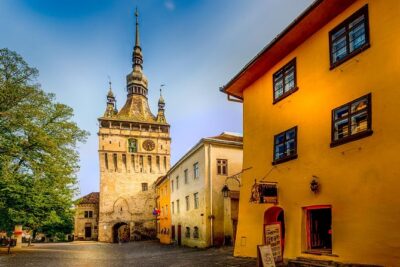
2-Day Medieval Transylvania with Brasov,Sibiu and Sighisoara Tour from Bucharest
Read our review →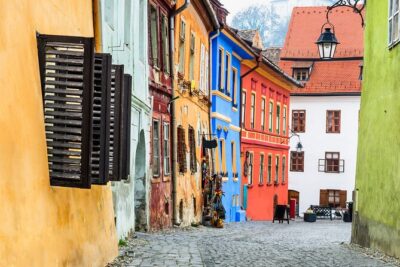
Transylvania: Dracula’s Castle and Birthplace Tour
Read our review →
SB01 – City Tour Sibiu: Exploring the Heart of Transylvania
Read our review →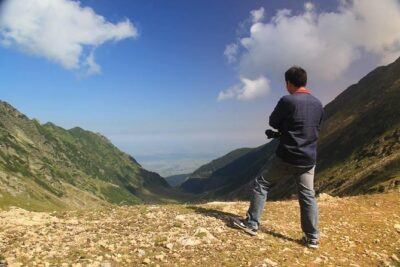
Day trips and excursions in nature, cities in Transylvania, Brasov!
Read our review →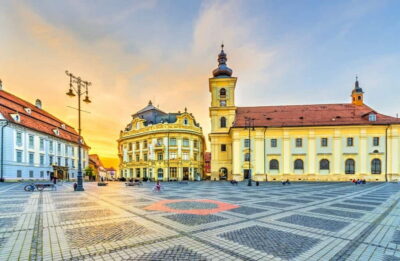
2-Day Transylvania from Bucharest: Brasov, Bran, Sighisoara
Read our review →Browse the lists this tour appears in