
REVIEW · DRACULA'S CASTLE TOURS
5-Day Private Dracula’s Legends Tour from Bucharest
Bram Stoker has nothing on Romania’s real road map. This private Dracula legends tour strings together Vlad III sites with hotel pickup, air-conditioned driving, and daily breakfasts, so you spend your time looking, not figuring out routes. You also get history plus the spooky stuff, guided in a way that keeps the myths grounded in place.
I love how this trip handles the practical bits, especially the round-trip transport from Bucharest to Transylvania’s highlights. I also like that breakfast is included each morning, which helps you start fast and keep your budget steadier.
One thing to consider: the big-name attractions still require entrance tickets in many cases, so you’ll want to budget extra for castles and special sites.
In This Review
- Key things that make this tour work
- From Bucharest to Transylvania without the stress
- Price and what you actually get for $1,331.24
- Day 1: Târgoviște, Curtea de Argeș, and medieval Sibiu
- Târgoviște and Vlad’s architectural fingerprints
- Curtea de Argeș monastery, with that fairytale tower look
- Sibiu, a medieval city with culture credentials
- Day 2: Hunedoara’s Hunyad Castle and the big Habsburg walls of Alba Iulia
- Castelul Corvinilor, gothic drama in Hunedoara
- Alba Iulia, an old town under a major citadel
- Day 3: Turda’s salt world, then Cluj and Bistrița
- Salina Turda, the salt mine with surprising attractions
- Cluj-Napoca, the student city stop
- Bistrița, where the Dracula novel thread gets named
- Day 4: Târgu Mureș secessionist architecture, Sighișoara UNESCO walls, and Brașov gateways
- Târgu Mureș and Rose Avenue’s Austro-Hungarian style
- Sighișoara, UNESCO historic center and the Vlad birthplace claim
- Brașov, German name Kronstadt, and the gates you can still picture
- Day 5: Bran Castle, Peles Castle, and Snagov Monastery near Bucharest
- Bran Castle, Dracula’s Castle on its rocky hill
- Peles Castle, royal summer residence and an architecture show
- Snagov Monastery, Dracula’s burial place story near Bucharest
- Where extra costs can pop up, and how to budget calmly
- Who this private Dracula tour suits best
- Should you book this Dracula Legends tour?
- FAQ
- How long is the Dracula Legends private tour?
- What time does the tour start, and where do I meet?
- Is this tour private?
- What transportation is included?
- How many breakfasts are included?
- Are museum and attraction entrance tickets included?
- Is there an extra cost for a single room?
- Which major Dracula-related sites are included?
- Do I get a mobile ticket?
- What happens if the tour can not run due to weather or minimum travelers?
Key things that make this tour work
- Private guiding, so you can ask questions and adjust the pace to your group
- Hotel pickup and drop-off plus an air-conditioned minivan for long driving days
- Breakfast included (4), which cuts down on morning planning
- A route that mixes Vlad-related towns with major sights like Bran and Peles
- Stops that include both legend and wow-factor, like the salt mine at Turda
- Reviews highlight excellent guiding and safe, careful driving (names mentioned include Mathias and Paul)
From Bucharest to Transylvania without the stress
The biggest quality-of-life win here is how the day starts. You depart at 9:00 a.m. from your hotel, and you come back the same way at the end of the tour. That means no rental car nerves, no bus transfers, and fewer chances to lose time when roads get slow.
You travel by air-conditioned minivan, which matters on a multi-day loop where some drives can feel long. This is also a tour where the guide is doing more than pointing at buildings. Expect real narration, with explanations tied to the places you’re standing in, not generic Dracula chatter.
Also, this is a private tour, so it’s just your group. That usually means less waiting around and fewer compromises with timing. In the feedback I saw, guides like Mathias and Paul were praised for careful driving, including when weather and traffic got tricky.
More Dracula's Castle Tours in Bucharest
- Bucharest: Dracula’s Castle, Peles Castle, & Brasov Old Town
★ 4.5 · 17,858 reviews - Bucharest: Dracula Castle, Peles Castle & Brasov Old Town
★ 4.6 · 10,891 reviews - Bucharest: Dracula’s Castle, Peleș Castle & Brașov Day Trip
★ 4.4 · 6,100 reviews
Price and what you actually get for $1,331.24
At $1,331.24 per person, you are paying for a package that is heavy on logistics: 4 nights accommodation, a driver/guide, hotel pickup and drop-off, and transport by minivan. Breakfast is built into the price too, with 4 breakfasts included.
That inclusion changes the value math. If you tried to piece this together yourself, you’d likely spend time on booking hotels, hiring drivers, and checking access and timings for each stop. Here, the schedule is already assembled, and you’re paying for a smooth chain of stops.
What is not included is important. Entrance tickets to museums and attractions are listed as not included, and you may also pay extra for a single room supplement locally (120 euro) if you want your own room. Plus, tips for the guide and driver aren’t included.
In plain terms, this price makes sense if you want to see a lot across a wide region and you value convenience. If you prefer independent travel and you’re comfortable building your own route, you could spend less, but you’ll also do more work.
Day 1: Târgoviște, Curtea de Argeș, and medieval Sibiu
Your first day is about getting oriented in Wallachia and then jumping into Transylvania’s medieval look.
Târgoviște and Vlad’s architectural fingerprints
In Târgoviște, you visit the capital of Valachia, tied to the princely residence of Vlad the Impaler. The tour also traces the wider Vlad family story, including fortification walls said to have been built by his grandfather Mircea the Oldest. You’ll also see the Chindia Tower, which Vlad Dracula is credited with building in the 15th century, and it’s described as well preserved.
Time feels generous here, about 1 hour, and the admission is noted as free. This is the kind of stop where good guiding helps, because the place becomes much easier to read when someone explains what you’re looking at and why it mattered.
A different sort of day out in Romania:
- Bucharest: Palace of Parliament Tickets and Guide
★ 4.3 · 3,182 reviews - Bucharest: Day Trip to Dracula Castle, Peles Castle & Brașov
★ 4.4 · 3,049 reviews - Bucharest to Dracula Castle, Peles Castle and Brasov Guided Tour
★ 4.5 · 2,933 reviews - Bucharest: Palace of Parliament Tickets and Guided Tour
★ 4.4 · 1,877 reviews
Curtea de Argeș monastery, with that fairytale tower look
Next you head to Curtea de Argeș, famous for a monastery the tour describes as one of the most beautiful in southern Romania. You’ll see an Orthodox worship setting where Romanian reigns are buried. The description highlights oriental decoration and four towers, and you’ll have about 1 hour.
Again, admission is listed as free. That makes Curtea de Argeș a good “no extra cost” stop that still delivers an iconic visual.
Sibiu, a medieval city with culture credentials
Then you roll into Sibiu, noted as the European Capital of Culture in 2007. The tour frames it as one of Transylvania’s prettiest medieval cities. You get about 3 hours, with admission noted as free.
My advice for Sibiu on a tour like this: treat the time as orientation plus wandering. You won’t have long enough for deep museum work, but you will have enough time to spot the medieval vibe, get your bearings, and decide what you might want to come back for on a later trip.
Day 2: Hunedoara’s Hunyad Castle and the big Habsburg walls of Alba Iulia
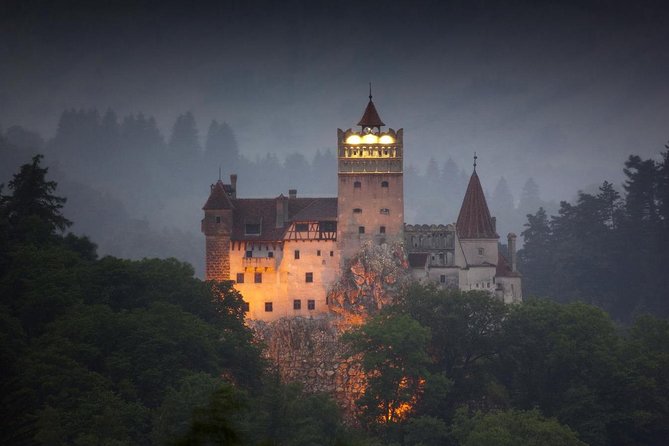
Day 2 is a shift from monastery and medieval city energy into grand fortifications and architecture.
Castelul Corvinilor, gothic drama in Hunedoara
Your first stop is Castelul Corvinilor, also known as Hunyad Castle. The tour presents it as a place associated with Vlad Tepes being imprisoned before his deposition in 1462, with a belief that he was held hostage for seven years by John Hunyadi.
You also get the architectural story. The foundation is credited to John Hunyadi, described in a Gothic style with Renaissance elements. The stop is about 1 hour 30 minutes, and admission is marked not included, so expect a ticket cost here.
If you want Dracula-style storytelling with a real-world setting, this is the kind of stop that delivers. It’s also a good reminder that the Vlad legends overlap with wider Balkan and Hungarian history, not just costumes and fog.
Alba Iulia, an old town under a major citadel
Next comes Cetatea Alba Iulia, built as a Habsburg citadel. The route focuses on a walk through wide, tree-lined old town streets and a series of landmarks, including:
- The Roman Catholic Cathedral, described as the oldest and most valuable monument of architecture in Transylvania
- The Batthyaneum Library
- The Orthodox Cathedral of the Reunification
- The Babilon Building, tied to the National Museum of Unification
- Several palaces and civic spaces, plus the University of Alba Iulia
You get about 1 hour, with admission marked as free for this block of sightseeing. The practical value of this stop is that it gives context for how power changed hands in this region, which makes later sites like Bran and Peles feel less random.
Day 3: Turda’s salt world, then Cluj and Bistrița
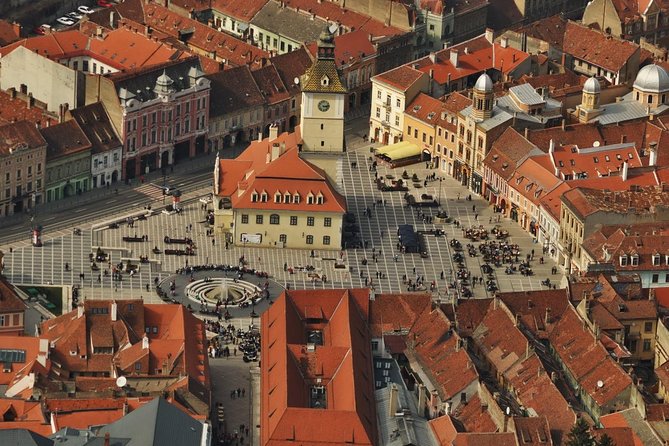
Day 3 mixes something totally different from castles with two Transylvanian towns that add texture.
Salina Turda, the salt mine with surprising attractions
First up is Salina Turda, the salt mine near Turda. The tour emphasizes how far down you go, about 400 feet, to reach a site described as a submerged wonderland.
Inside, you’re told you can find an amphitheater, a bowling alley, an underground lake with paddle and row boats, and even a Ferris wheel. The duration is about 2 hours, and admission is not included.
This is a smart inclusion if you’re worried about spending every day staring at stone. Salt mines bring the drama and the novelty without feeling like a repeat of castle after castle. If you like unusual sights, this is where the tour earns its own middle-of-the-trip “wow” moment.
Cluj-Napoca, the student city stop
After the underground adventure, you head to Cluj-Napoca, also called Cluj. The tour frames it as Romania’s second largest city, with a younger energy and a university hub feel.
You’ll have about 1 hour and admission is marked as free. This is a good stop to take in the urban rhythm and then move on. If you try to do too much in an hour, you’ll miss the point, which is sampling the city atmosphere and learning how Transylvania feels when it’s not centered on legends.
Bistrița, where the Dracula novel thread gets named
Next comes Bistrita, described as one of the seven fortified cities defined by an Andrea Gromo in the 16th century. The big Dracula connection in the tour description is the link to Jonathan Harker in Bram Stoker’s story. The stop also mentions that Jonathan Harker overnighted here.
You get about 2 hours, with admission noted as free. For me, this is the place where the tour does a useful trick: it shows how Dracula got woven into real towns and trade routes, not just imaginary scenery.
Day 4: Târgu Mureș secessionist architecture, Sighișoara UNESCO walls, and Brașov gateways
Day 4 is a “three-city sweep” day, which means you’ll cover a lot while still keeping a sightseeing focus.
Târgu Mureș and Rose Avenue’s Austro-Hungarian style
You start in Târgu Mureș, described as a Romanian-Hungarian city with secessionist buildings from the dualistic, Austro-Hungarian period. The tour highlights the Palace of Culture, the Prefecture, places of worship, and the so-called Rose Avenue, tied to a craft market history.
You have about 1 hour, with admission marked as free. This is a useful stop because it adds another layer to the region’s identity. Transylvania isn’t one style, one empire, or one century, and Târgu Mureș helps you see that quickly.
Sighișoara, UNESCO historic center and the Vlad birthplace claim
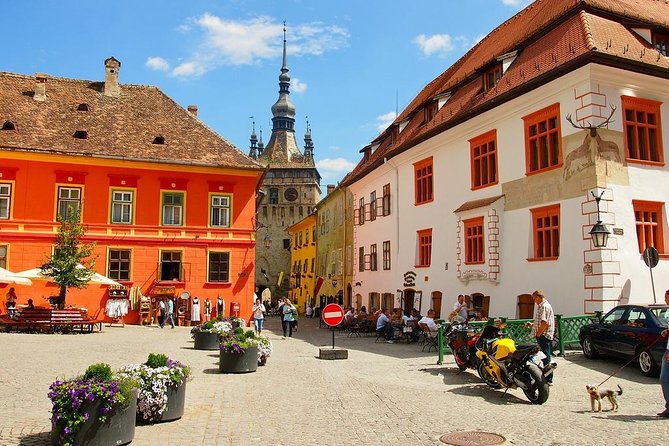
Then you reach Sighișoara, described as a romantic fortified town with a UNESCO-listed historic center. Expect colorful houses, the Tower of the Clock, and streets and churches shaped by multiple cultures.
The tour calls out that Vlad Dracula was born in 1431 here. You’ll have about 3 hours with admission marked as free.
Practical tip: in a walled old town, you’ll want comfortable shoes. The best way to enjoy a place like Sighișoara on a day like this is to walk slow, stop for photos, and let your guide explain the layout. You will get more out of the time if you treat it like a living map.
Brașov, German name Kronstadt, and the gates you can still picture
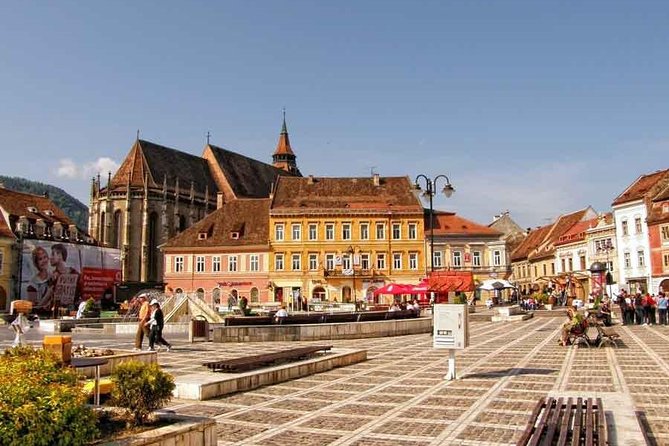
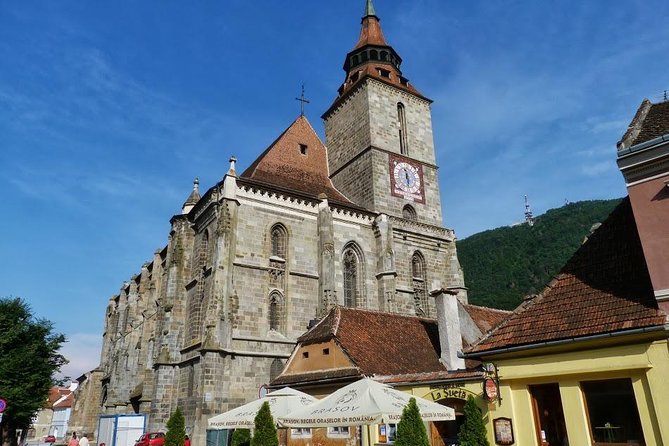
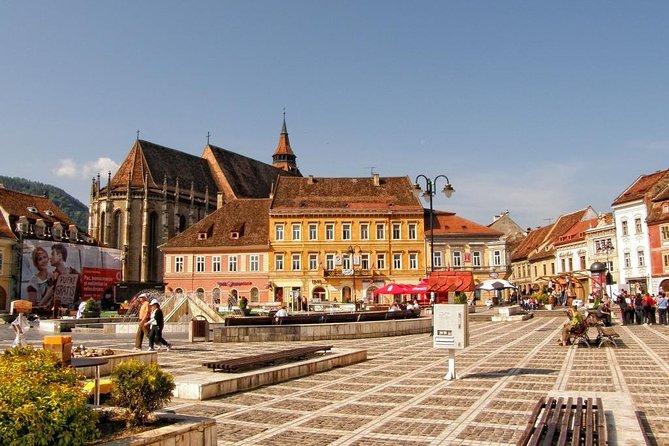
Finally on Day 4, you reach Brașov, also known historically by the German name Kronstadt. You’ll spend about 3 hours in the historical center, with Council Square, plus a look at the Gate Ecaterina and Gate Schei, described as a 16th and 19th century pairing.
Admission is marked as not included here, so you may want to plan around ticket costs if your guide suggests any museum stops inside the gates area.
Brașov is a great place to pause mentally. By now you’ve seen multiple layers of regional power and legend, and Brașov helps you feel the everyday city life that still exists under the medieval shell.
Day 5: Bran Castle, Peles Castle, and Snagov Monastery near Bucharest
Your last day brings the headline sites. It also sets you up for the final approach back toward Bucharest, with a mix of legend and regal architecture.
Bran Castle, Dracula’s Castle on its rocky hill
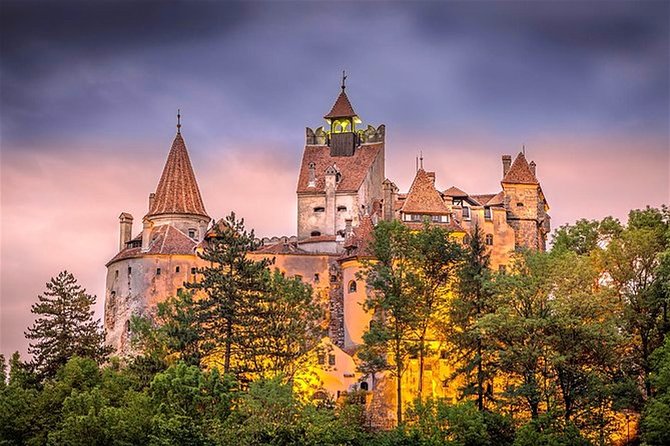
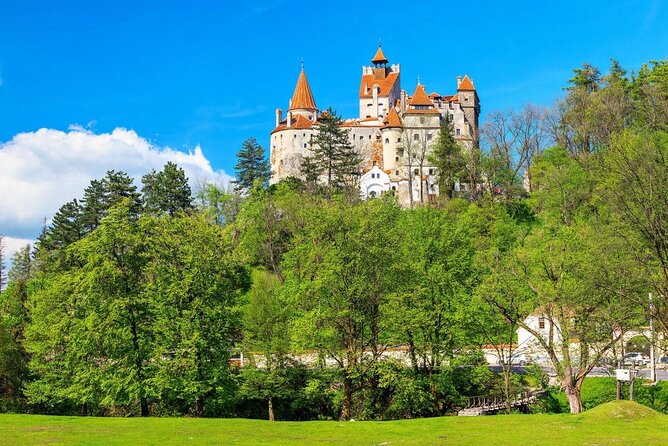
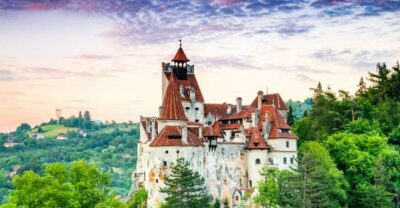
First is Bran Castle, built in the 14th century over a large rock on a hill. The tour describes it as Gothic style and strongly tied to the legend of Vlad the Impaler. It also notes the interiors are modest and refined, chosen by Queen Mary in the 1920s when she received the castle.
You have about 2 hours, and admission is not included. Bran is one of those places where a guide really helps you avoid getting stuck in surface impressions. If you’re paying entrance fees, make sure you spend that time with your guide’s story, not just taking photos.
Peles Castle, royal summer residence and an architecture show
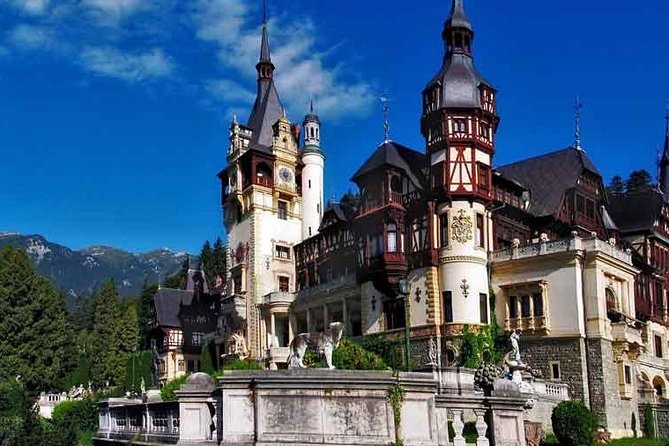
Next is Peles Castle, the summer residence of the first king of Romania, King Charles I of Hohenzollern. The tour describes a Czech architect and calls it one of the most modern castles in Europe at the time of construction, between the 19th and 20th centuries.
You’ll have about 2 hours and admission is not included. The tour notes that each room has a different style, and highlights the Florentine room, with an Italian Renaissance atmosphere.
This stop is more than a Dracula finale. It’s a chance to appreciate what Romania’s monarchy wanted to show in style and design. If you like interior details, Peles is the kind of place where 2 hours can feel short, but it’s still enough to see the main rooms your guide will highlight.
Snagov Monastery, Dracula’s burial place story near Bucharest
To finish, you stop at Snagov Monastery by Lake Snagov. The tour description says Dracula was buried in 1476, and that the monastery sits on a small island in the center of the lake.
You’ll have about 1 hour. Admission is marked as not included. This is a quieter ending than castles, and it works well if you want a last dose of legend without another long ticketed interior.
Where extra costs can pop up, and how to budget calmly
Even with breakfast and transport included, plan for entrance fees. The itinerary lists multiple stops with admission not included, including:
- Castelul Corvinilor (Hunyad Castle)
- Salina Turda
- Brasov Historical Center
- Bran Castle and Peles Castle
- Snagov Monastery
You may also face a single room supplement of 120 euro, paid locally with cash or credit card. And tips for the guide and driver are not included.
My budgeting advice is simple: set aside a ticket fund before you go, then treat additional costs as part of the experience, not a surprise. If you know you want to do castles and special sites, you’re already selecting a higher-fee route.
One more practical note: the tour is described as requiring good weather. If it gets canceled due to poor weather, you’re offered a different date or a full refund, and if a minimum number of travelers isn’t met, you’re offered a different date or a full refund.
Who this private Dracula tour suits best
This is a strong fit if you:
- Want a first visit to Romania that covers a lot without driving yourself
- Prefer a private group with the ability to ask questions and adjust timing
- Like the combination of legends plus real landmarks, including Vlad III associations and UNESCO-listed old towns
- Enjoy varied stops, from fortresses to royal architecture to a salt mine
It can also suit travelers who don’t want to spend evenings planning the next morning. With pickup, transport, and breakfast handled, you’re free to enjoy the day.
Physical note: the tour says you should have moderate physical fitness. That makes sense given walking in old towns and navigating castle grounds. If you have mobility limits, it’s worth checking directly with the operator before booking.
Should you book this Dracula Legends tour?
If your goal is to see the main Vlad-linked places across Transylvania in a logical, guided route, I’d book it. The package is built for convenience, and the included accommodation and breakfast help you keep the total cost from ballooning.
Skip it only if you’re the kind of traveler who loves total independence and prefers to pick your own hotels and timing. Also, if you hate entrance fees, this route may feel expensive because key attractions are marked as not included.
If you do book, plan to spend your ticket money wisely at the big sites, and lean on the guide for context so the legend feels tied to place, not just names on a map.
FAQ
How long is the Dracula Legends private tour?
The tour is listed as 5 days (approximately).
What time does the tour start, and where do I meet?
It starts at 9:00 a.m., with departure from your hotel.
Is this tour private?
Yes. It is a private tour/activity, and only your group participates.
What transportation is included?
You get transport by air-conditioned minivan, with hotel pickup and drop-off.
How many breakfasts are included?
Breakfast is included for 4 mornings.
Are museum and attraction entrance tickets included?
No. Entrance tickets to museums and attractions are not included.
Is there an extra cost for a single room?
Yes. A supplement for a single room is 120 euro, paid locally with cash or credit card.
Which major Dracula-related sites are included?
The tour includes stops for Bran Castle, Peles Castle, and Snagov Monastery.
Do I get a mobile ticket?
Yes. Mobile ticket is listed as a feature.
What happens if the tour can not run due to weather or minimum travelers?
This experience is non-refundable and can not be changed. It requires good weather, and if it is canceled due to poor weather you are offered a different date or a full refund. It also requires a minimum number of travelers, and if canceled because the minimum isn’t met you are offered a different date or a full refund.
Recently listed in Bucharest
- Village Museum Bucharest Guided Tour★ 5.0 · 6 reviews
- Wine Tasting and Dinner, including Sommelier★ 5.0 · 3 reviews
- Winery touring & private wine tasting – one day private tour★ 5.0 · 3 reviews
- Bucharest: Dealu Mare Winery Private Trip with Wine Tasting★ 4.9 · 6 reviews
- Transylvania Tour: Dracula’s Castle, Peles Palace & Brasov★ 5.0 · 19 reviews
- Traditions in Bucharest: Village Museum and Wine Tasting★ 5.0 · 8 reviews
- Airport Henri Coanda (Otopeni) to Bucharest – Private Transfer – Driver★ 5.0 · 5 reviews
- Discover Medieval Transylvania Small Group Tour – 7 days★ 5.0 · 4 reviews
Dracula's Castle Tours, compared.
Dracula’s Castle, Peles Castle, & Brasov Old Town
Read our review →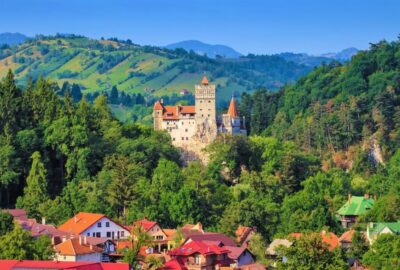
Dracula Castle, Peles Castle & Brasov Old Town
Read our review →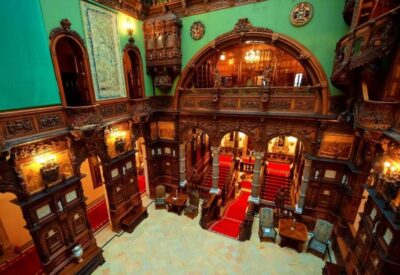
Dracula’s Castle, Peleș Castle & Brașov Day Trip
Read our review →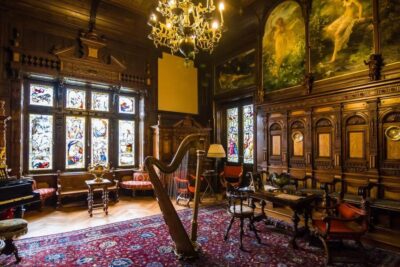
Day Trip to Dracula Castle, Peles Castle & Brașov
Read our review →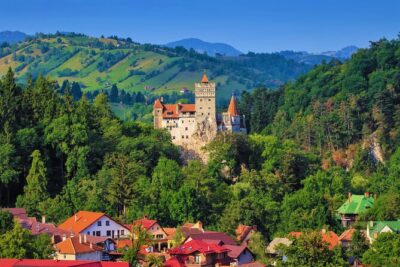
Bucharest to Dracula Castle, Peles Castle and Brasov Guided Tour
Read our review →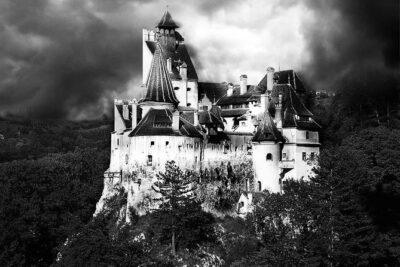
Dracula’s Castle, Peles Castle and Brasov Day Trip from Bucharest
Read our review →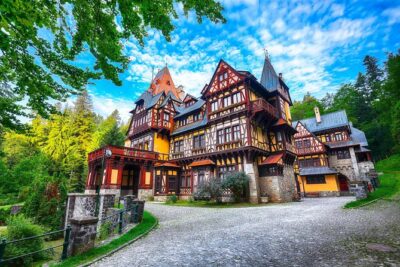
Transylvania and Dracula Castle Full Day Tour from Bucharest
Read our review →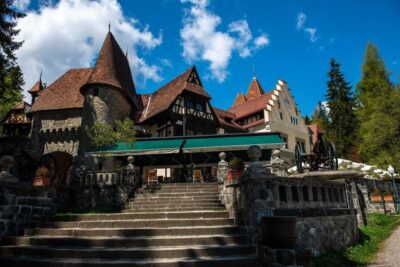
Browse the lists this tour appears in