REVIEW · PRIVATE
10-Day Private Tour of Romania with Pick Up
Private Romania trips can feel like a film plot. This one layers Bucharest to Bucovina with a private ride and an English guide, so you see Romania, not just check boxes.
I especially like the flexibility built into the day-to-day plan, plus the calm comfort of a car used only for your group, with wireless internet on board. The lineup also hits two things I value: big, historic sights with context and smaller stops that feel local, like the wooden churches and the painted monasteries.
One consideration: the price is premium at $3,918.13 per person, and entrance fees are not included for most sights. Budget extra for tickets so you are not doing math at the door.
In This Review
- Key things that make this tour worth your time
- What you are really paying for: private Romania, not a bus tour
- Day 1 Bucharest: Palace of Parliament, Athenaeum, and a Revolution Square reality check
- Days 2 and 3: Wallachia castles, Dracula-linked ruins, and Dacian power in Sarmizegetusa
- Transylvania days: salt under the earth, churches in wood, and the smaller stops that keep you from burning out
- Maramureș and Bucovina: wooden monasteries, painted churches, and the road that makes the trip feel long in a good way
- Day 8: Lucia Condrea’s museum, Popa’s workshop, and Bicaz Gorges for a proper nature reset
- Day 9 to 10: Saxon medieval towns, fortified churches, and finishing with Brasov, Bran, and Peles
- Food, pacing, and budgeting: how not to get surprised by entrance tickets
- Who this tour suits best, and who might want a different style
- Should you book this private 10-day Romania tour with pickup?
- FAQ
- Is this a private tour?
- Where does the tour start?
- Is pickup included?
- How long is the tour?
- What language is the tour guide?
- What is included in the price for the guest?
- Are entrance tickets included for the sites?
- Are accommodation and meals included?
- Can the daily plan be changed?
- How does cancellation work?
Key things that make this tour worth your time
- Nicolas Experience Tours guide time included in the car, with an English-speaking guide/driver throughout
- Private car for just your group, plus parking, tolls, and road costs covered
- A route that pairs major landmarks with quieter stops, like the Village Museum and the region’s painted monasteries
- Guided stop lengths are planned (often 45 minutes to 2 hours), so you are not rushing every place
- Memorials and political history are part of the story, not an afterthought
- The trip includes at least one proper road-trip moment, with Transfăgărășan on the list
What you are really paying for: private Romania, not a bus tour
At $3,918.13 per person for roughly 10 days, this is not a budget adventure. You are paying for privacy, comfort, and support.
Here is the value part that matters in real life: the tour includes a private car (tourism vehicle or minibus) only for your group, plus a private, licensed English-speaking guide/driver who travels with you the whole time. That means you do not have to coordinate transfers, time your own tickets across multiple regions, or translate your way through every stop.
You also get practical extras that feel small until you are on the road: wireless internet in the car, and all car expenses like gas, parking, and road tolls are taken care of. And the operator offers “great flexibility” for changing the daily itinerary even after the tour starts, which is rare on tightly packed group tours.
The tradeoff is budget control. Accommodation, meals, and most entrance fees are not included. The itinerary even flags admission tickets as not included for many stops, so you should treat this as a guided touring package where you handle ticket costs directly.
A few more Bucharest trips worth weighing up
- Castles of Transylvania: Private Day Trip from Bucharest
★ 4.5 · 248 reviews - Bucharest: Best of Bucharest Private Tuk-Tuk Tour
★ 5.0 · 238 reviews - Dracula’s Castle, Peles Castle and Brasov – Private Day Trip from Bucharest
★ 5.0 · 211 reviews
Day 1 Bucharest: Palace of Parliament, Athenaeum, and a Revolution Square reality check
Bucharest on day one is a strong start, and it makes sense. You get the city’s biggest political statement first, then you pivot to culture, music, and the old-town layer.
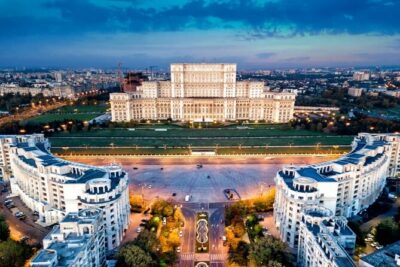
The Palace of Parliament (People’s House) is the headline. Plan on about 2 hours here, but expect that time to feel short when you are standing next to a building designed to overwhelm. It is controversial, tied to Romania’s communist era, and the tour framing focuses on why totalitarian ambition can wreck a nation. If you care about how governments use architecture and symbolism, this stop will land hard. If you just want pretty selfies, you might find it difficult to capture the scale, because the place is enormous.
Next comes the National Village Museum Dimitrie Gusti, about 1 hour. This is the kind of stop that helps you understand Romania beyond politics, with traditional rural life presented in one place. The museum is described as embodying Romanian traditions, including the idea of villagers creating an ecological and sustainable environment around them. It is a reset after the weight of the Palace.
Then you head to Ateneul Român on Calea Victoriei, around 45 minutes. The tour notes it as a major cultural symbol and even part of the European Heritage list, so you get a sense you are standing in a landmark that matters for identity, not just postcards.
Finally, you reach Revolution Square, about 45 minutes, where the story centers on the fall of Ceausescu in December 1989. The tour also points you toward the Senate Palace area to connect the revolution’s start with the communist party’s former headquarters. This is one of those stops where the guide’s context matters more than the bricks.
You finish day one with Old Town, about 2 hours, starting around Hanul lui Manuc, an old fortified inn built around 1806. This is a nice closing rhythm: history, then atmosphere, then time for food, museums, and churches in a compact area.
Practical note: because most day-one sites list admission tickets as not included, plan your ticket spending early in your trip. A guided plan helps, but you still need the cash flow.
Days 2 and 3: Wallachia castles, Dracula-linked ruins, and Dacian power in Sarmizegetusa
Day two pushes you out of Bucharest and into stories of castles, mountains, and legends, with a big road-trip feel.
You start with Curtea de Argeș Monastery, about 30 minutes. The tour highlights royal tombs and the mixture of beauty and tragedy tied to the place. Even in a short visit, it works because it gives you a royal Wallachian thread that you can carry into the days ahead.
Then you move to Poienari Castle (fortress), about 2 hours. The ruins sit high over the Argeș River, and the tour connects the site to the first Wallachian rulers and the story of Vlad’s escape route described as a secret passageway through the mountains. Whether you take the legend literally or as storytelling fuel, Poienari is the kind of setting where the landscape and the history fuse.
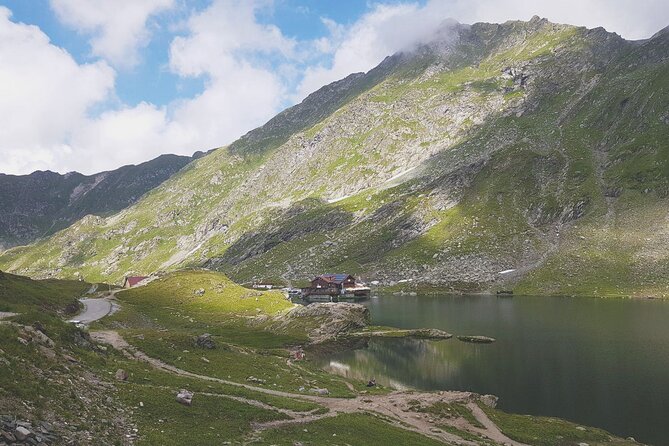
After that, you get one of the most famous drives on the route: Transfăgărășan Highway, about 2 hours. The itinerary notes it is fully open from June to October, with the high point at 2,042 meters and the tunnel area near Balea Lac. If you are booking this outside that season, treat the timing as important, because road access can change.
Day two then includes Piata Mare (Big Square), but the description focuses on Sibiu and its European Capital of Culture recognition, with mention of the Evangelical Cathedral and the Sibiu Old City Center. The message is clear: you get old-town architecture and a central square that is easy to enjoy without a marathon day.
Day three goes full “wow” for medieval and ancient Romania.
First is Castelul Corvinilor (Corvin Castle), about 2 hours. It is described as a Gothic-Renaissance castle in Hunedoara, also known through names like Hunyadi or Huniazilor. The tour frames it as one of the largest castles in Europe and even one of the Seven Wonders of Romania, so you walk in expecting scale, not a quick photo stop.
Then comes Densuș Church, about 1 hour, described as the oldest stone church in Romania, with construction in the 13th century on a site that had a Roman temple earlier. If you like religious art details, the itinerary points out 15th-century mural paintings and later additions in the 18th century. This is the stop where time feels well-used because you get layers of eras in one place.
You close day three with Sarmizegetusa Regia, about 3 hours. The itinerary describes it as the Dacians’ capital and major military, religious, and political center before Roman wars, built atop a mountain around the Orăștie range. For me, this is one of the route’s “memory anchors,” because after seeing Roman-era influence elsewhere, it is powerful to hit a different ancient storyline with a clear sense of purpose and geography.
Transylvania days: salt under the earth, churches in wood, and the smaller stops that keep you from burning out
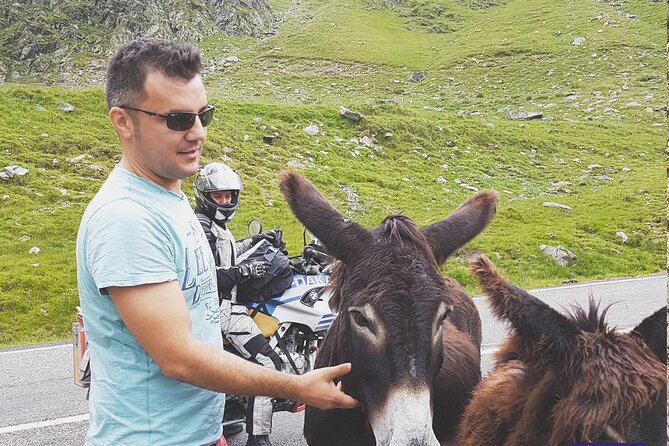
Transylvania is not just castles. This route makes sure you get variety, which is exactly what prevents day-five fatigue.
Day four begins with Salina Turda (Turda Salt Mine), about 2 hours. The tour notes it as a feast for the eyes, and it even calls out the breathing comfort of the saline air, especially for allergies or asthma. Even if you are not thinking about health, a salt mine changes the pace and atmosphere, and it is a smart contrast after castles and open-air sites.
Next is Gradina Botanica Alexandru Borza as named in the itinerary, but the provided description shifts into Cluj Napoca city tour style details, mentioning old city architecture across Baroque, Renaissance, and Gothic elements. The key value here is that you get a chance for urban Romania views, not only rural monuments and remote sites.
Then you visit Surdești Wooden Church, about 1 hour. The tour emphasizes the warmth of wooden construction and gives you a standout fact: towers measuring 54 meters, built in 1721. If you enjoy craftsmanship, this is the kind of stop that makes you slow down, because you can feel how much work went into something that still looks light.
Day five adds the emotional layer and a different kind of color.
You start with Merry Cemetery in Sapânța, about 1 hour. Instead of grim grave markers, you get colorful crosses and tombstones with humorous poems about the deceased. It is a cultural attitude lesson as much as it is a sightseeing stop: the itinerary frames it with Dacian beliefs and the idea of laughing at funerals and crying at births.
Then you head to the Memorial of the Victims of Communism and of the Resistance, about 2 hours. The focus here is on understanding how damaging the totalitarian regime was and the pain people faced in a short time. This memorial stop matters because it connects the earlier political architecture story in Bucharest to human consequences.
A different sort of day out in Romania:
- Bucharest: Dracula’s Castle, Peles Castle, & Brasov Old Town
★ 4.5 · 17,858 reviews - Bucharest: Dracula Castle, Peles Castle & Brasov Old Town
★ 4.6 · 10,891 reviews - Bucharest: Dracula’s Castle, Peleș Castle & Brașov Day Trip
★ 4.4 · 6,100 reviews - Bucharest: Palace of Parliament Tickets and Guide
★ 4.3 · 3,182 reviews
Maramureș and Bucovina: wooden monasteries, painted churches, and the road that makes the trip feel long in a good way
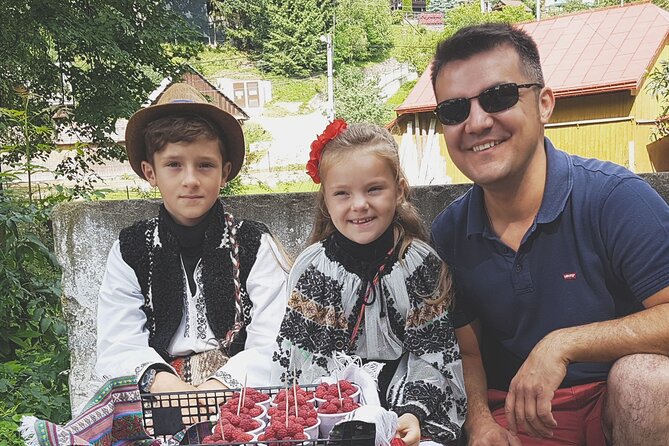
Days six and seven are where the route leans hard into Northern Romania’s signature look: wood churches, high passes, and painted monasteries.
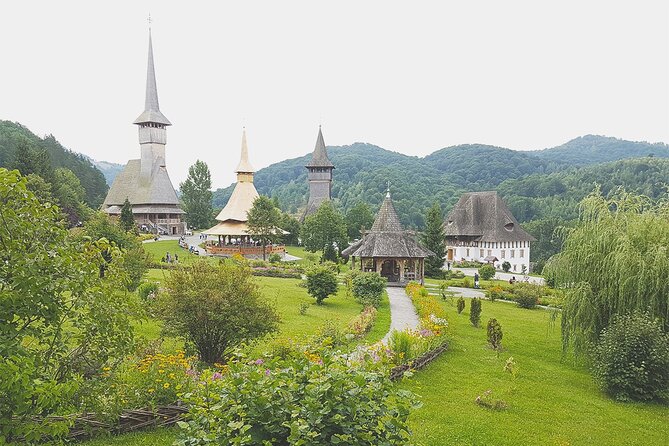
Day six includes Barsana Monastery, about 45 minutes. It is described as one of the tallest wooden churches in Romania at 57 meters, with a fairytale-like courtyard and a spiritual connection theme. Even if you do not go for religious architecture, the height and the wooden structure make it visually unforgettable.
Then you stop at Tihuța Pass, about 2 hours. This is one of the tour’s “story plus setting” moments. The itinerary connects the pass to Bram Stoker’s Dracula through the name Borgo Pass, and it even mentions Hotel Castel Dracula at 1,116 meters and its medieval villa style. It also notes that the hotel adopted its current name after 1989. Whether you are a Dracula fan or not, this stop is useful because the guide can link pop culture to where the real geography sits.
After that you visit Ciocănești, about 1 hour, described as a village known for merry-painted houses with traditional motifs, set along the Golden Bistrița River and framed by pine forests and meadows. This is a classic “slow down and look” stop, which balances the earlier castle and fortress intensity.
Day seven is packed with UNESCO-linked painted monasteries, and the tour keeps the pace manageable by using short, targeted visits.
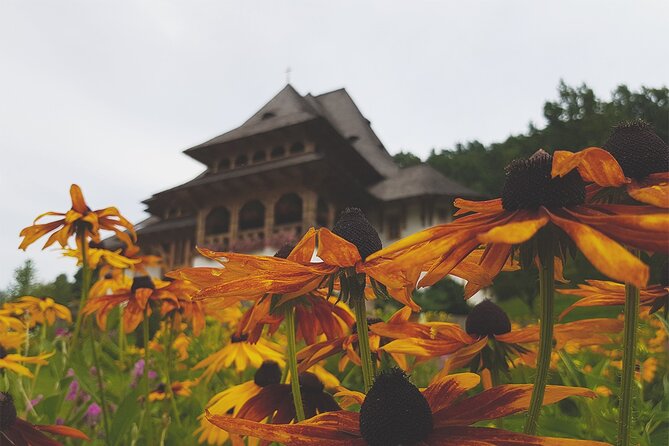
You start with Voroneț Monastery, about 1 hour. The itinerary calls it the Sistine Chapel of the East and emphasizes the famous blue known in Romania as Voroneț blue. The tour notes it was constructed by Stephen the Great in 1488 and even highlights the idea of the frescoes taking just 3 months and 3 weeks. If you are the type who needs a reason to care, this stop gives you a specific one: a color that has become part of Romanian identity.
Next is Humor Monastery, about 45 minutes, described as fortified and hidden away by people trying to protect spiritual treasures. The itinerary mentions that a first church around 1400 was destroyed, and the second church, built in 1530 with thick river rock walls, was meant to endure.
Then you visit Sucevița Monastery, about 45 minutes, also described as fortified with biblical scenes and icons painted on the walls. The itinerary directly mentions its inclusion on the UNESCO World Heritage list of cultural landmarks.
You finish day seven with Moldovița Monastery, about 1 hour, described as one of the oldest monastic settlements built in 1532, with mural artwork inside and outside and a mix of Byzantine, Gothic, and Moldavian style elements.
Practical note: painted monasteries can run together if you are tired. The short stop lengths are an advantage. Let the guide point out the specific features each church is known for, because that is what keeps the visits distinct.
Day 8: Lucia Condrea’s museum, Popa’s workshop, and Bicaz Gorges for a proper nature reset
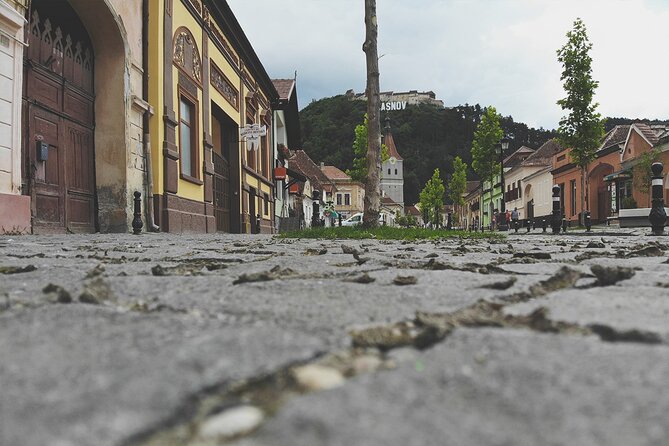
Day eight breaks the monastery sequence and gives you art, individual creativity, and then a long nature walk.
First is Muzeul International al Oualor Lucia Condrea, about 1 hour. The itinerary calls it unique in Romania and possibly in the world, with over 5,500 exhibits arranged across two levels in 56 display cases. You are not just looking at objects, you are stepping into a dedicated space built around a single artist, which makes it feel more personal than a general collection.
Then you visit The Popa Museum, about 1 hour. It is Nicolae Popa’s house museum, founded in the 1970s. The itinerary provides a serious backstory: after being wounded in World War II, imprisoned by the communists for fighting against the regime, and left without personal possessions, he focused on carving and sculpture and built a life that turned into a cultural imprint. That context helps you view the work as something created despite heavy obstacles, not just a hobby displayed.
Finally, you head to Bicaz Gorges, about 3 hours, with the itinerary labeling entrance as included. This is your longer walking window, framed as a walk along a river the mountains and forests helped shape. After forts and churches, it is a welcome change of pace, and it gives you time to breathe and look at the scale that Romania does so well.
Day 9 to 10: Saxon medieval towns, fortified churches, and finishing with Brasov, Bran, and Peles
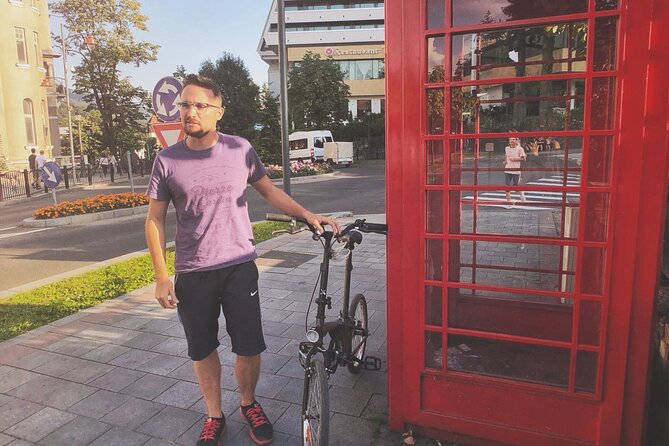
Day nine shifts to medieval Transylvanian towns and Saxon heritage.
You start with Sighișoara Clock Tower and the Arms museum, about 2 hours. The itinerary presents Sighișoara Citadel as built in 1280 and still inhabited for over 700 years, which is a big deal because living medieval space is rare. The guide also connects it to Vlad the Impaler as Vlad’s birthplace, though the emotional takeaway is really the everyday life texture.
Then you head to Biertan Fortified Church, about 2 hours. The itinerary says it is a UNESCO World Heritage site, built on a hillock in town, with three defensive walls and seven bastions. This stop works best if you like defense systems and architecture that was designed for survival, not just beauty.
Day ten finishes strong with the Brasov area and Romania’s two most famous castles on the route.
In Brasov, you get a walking tour of the Old Town focused on the Black Church, the old town square, and city walls built in the Middle Ages. You also get free time to soak up the atmosphere in cafés, about 1 hour for the guided portion. This is one of those good endings for a tour like this, because you get to linger without a strict checklist.
Next comes Bran Castle, about 2 hours. The itinerary tells you the connection between the Dracula myth and Bram Stoker’s fictional portrayal, and you can also expect traditional foods outside the castle such as handmade cheeses, pálinka plum or pear brandy, and handmade ham and sausages. If you treat Bran as myth with a backdrop rather than “the real story,” it becomes a fun last big spectacle.
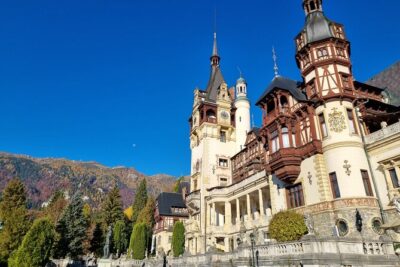
You finish at Peleș Castle, about 2 hours, described as the royal family’s summer residence and one of the most beautiful castles in Europe. The tour frames it as a major attraction for a reason, and it is a fitting end for a trip that moves from political power, to religious endurance, to architectural luxury.
Food, pacing, and budgeting: how not to get surprised by entrance tickets
Because entrance fees are listed as not included for many stops, I’d budget for tickets separately from the tour price. The route itself includes some items labeled as free or included at specific points, like Transfăgărășan being listed with a free admission ticket note, and Bicaz Gorges marked as admission ticket included. But the safer approach is to plan that you will pay for many entries.
Meal and accommodation costs are also not included. That affects your total trip cost more than you might think, because you are covering multiple regions and will not just grab food near your hotel each day. The upside is that you are in a private car with an English guide, so you can ask where to eat nearby for convenience and timing.
Pacing is another big factor. The tour uses a lot of short to mid-length visits, 45 minutes to 2 hours, which helps on a route this spread out. You should still pack a realistic attitude: this is a lot of “see the thing” days, so your best strategy is to slow down in the stops that give you a specific hook, like the Voroneț blue theme or the fortified church walls.
Who this tour suits best, and who might want a different style
This private 10-day route is a good match if you want:
- Private, guided movement across far-flung regions of Romania
- An English guide in the car who can tie architecture to politics, religion, and daily life
- A mix of headline sights (Palace of Parliament, Bran, Peleș) and regional identity stops (wood churches, painted monasteries)
It might be less ideal if you:
- Want a lowest-cost trip, because the per-person price and extra entrance tickets will add up
- Prefer a fully flexible “anywhere, anytime” schedule with no planned stop lengths, because this itinerary is structured
The tour fits families and friends well because it is private, but it also works for solo travelers who want someone to handle routing and context while they focus on seeing.
Should you book this private 10-day Romania tour with pickup?
I’d book it if you want a guided route that covers Bucharest, Transylvania, Maramureș, and Bucovina with a clear storyline, and you value comfort and local context enough to pay for it. The private car, the licensed English guide/driver, and the operator’s stated flexibility are big reasons this works.
I’d pause and double-check your total budget if you hate paying entrance fees on top of the tour price, or if you want a slower, more spontaneous trip. Also, if you are traveling outside June to October, pay attention to the Transfăgărășan timing note, since that affects one of the biggest road highlights.
If you are looking for a Romania that feels connected, not scattered, this route is a strong choice.
FAQ
Is this a private tour?
Yes. It is a private tour, and only your group participates.
Where does the tour start?
It’s based in Bucharest, Romania, with pickup offered.
Is pickup included?
Pickup is offered. You need to share your pickup time and pickup address, and your phone number helps.
How long is the tour?
It runs for about 10 days.
What language is the tour guide?
The tour offers an English speaking guide/driver.
What is included in the price for the guest?
The included items list a private car for your group, a private licensed English guide/driver, wireless internet in the vehicle, and all car expenses such as gasoline, parking, and road tolls.
Are entrance tickets included for the sites?
Entrance fees are not included as per the itinerary. Many stops specify Admission Ticket Not Included, while a few stops are marked as free or included.
Are accommodation and meals included?
No. Accommodation, meals, and beverages are not included.
Can the daily plan be changed?
Yes. The tour includes great flexibility regarding changes to the daily itinerary even after the tour has started.
How does cancellation work?
You can cancel for a full refund if you cancel at least 24 hours before the experience’s start time.
Recently listed in Bucharest
- Village Museum Bucharest Guided Tour★ 5.0 · 6 reviews
- Wine Tasting and Dinner, including Sommelier★ 5.0 · 3 reviews
- Winery touring & private wine tasting – one day private tour★ 5.0 · 3 reviews
- Bucharest: Dealu Mare Winery Private Trip with Wine Tasting★ 4.9 · 6 reviews
- Traditions in Bucharest: Village Museum and Wine Tasting★ 5.0 · 8 reviews
- Transylvania Tour: Dracula’s Castle, Peles Palace & Brasov★ 5.0 · 19 reviews
- Airport Henri Coanda (Otopeni) to Bucharest – Private Transfer – Driver★ 5.0 · 5 reviews
- Discover Medieval Transylvania Small Group Tour – 7 days★ 5.0 · 4 reviews
Private, compared.

Castles of Transylvania: Private Day Trip from Bucharest
Read our review →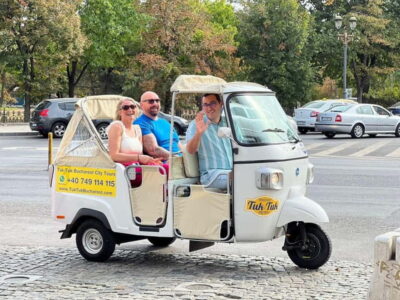
Dracula’s Castle, Peles Castle and Brasov – Private Day Trip from Bucharest
Read our review →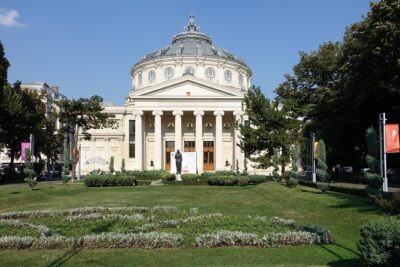
Bucharest Panoramic Sightseeing – Private City Tour
Read our review →
THERME “Take It Easy” Pack: Full Spa Access + Private Transfers
Read our review →
Piatra Craiului National Park Private Hiking Tour from Brasov
Read our review →